
Standing Desk Habits By Age Condition Guide

📖 Table of Contents
I used to sit for 12 hours a day, and by the time I got home from work, my lower back felt like it had been through a war. That’s when I bought my first standing desk — not because I thought it would change my life, but out of desperation. What I didn’t expect was how much my body would shift in the first two weeks. Standing desk habits by age condition guide became a phrase I found myself Googling as I tried to piece together what my 30-something body needed to stay upright and healthy.[1]
I’m not the only one. Standing desk habits by age condition guide is a growing search term, and I can see why. My own journey taught me that the way we stand, the frequency of switching positions, and the kind of support we use all matter — and they matter differently depending on how old we are. For someone in their 20s, the focus is on posture and energy; for someone in their 60s, it’s about joint health and endurance. There’s no one-size-fits-all approach, but the right habits can make a world of difference.
Now, I use a standing desk as a tool — not a crutch. I’ve tested different heights, different foot placements, and different time frames for standing, and I’ve learned exactly what my body needs. Standing desk habits by age condition guide is more than just a phrase; it’s a blueprint for how we can all move better, feel better, and function better — no matter our age.
Why You'll Love This Standing Desk Guide
- Tailored advice that works for your age group and physical condition.
- Easy-to-follow routines that require no special equipment or training.
- Real results from people just like you — no fluff, no hype.
- Simple, actionable tips that can be applied in your daily life.
Understanding the 'Why' Behind Standing Desk Habits
As of November 2026, the science behind standing desks is clear: prolonged sitting can reduce blood flow and increase the risk of chronic disease. Studies show that standing for 10 minutes every hour can significantly improve circulation and reduce back pain. But the real magic lies in how we personalize these habits — and that’s where age condition comes in.
At 34, my body reacted differently than it would have at 50 or 20. I found that 10 minutes of standing followed by 20 minutes of sitting was ideal. For others, the right ratio may be different. Standing desk habits by age condition guide is about finding that sweet spot that works for you.
My first real change came after two weeks of switching positions every 15 minutes. My posture improved, and I felt more alert. But it wasn’t just my body — my mind felt more active, too. The key is to listen to your body and adapt.
Try standing for 10 minutes, then sitting for 20. Adjust based on how your body feels. Use a timer and track your progress over a week.
Part of our Standing desk habits by age condition guide.
Tailoring Standing Habits by Age: 20s to 30s
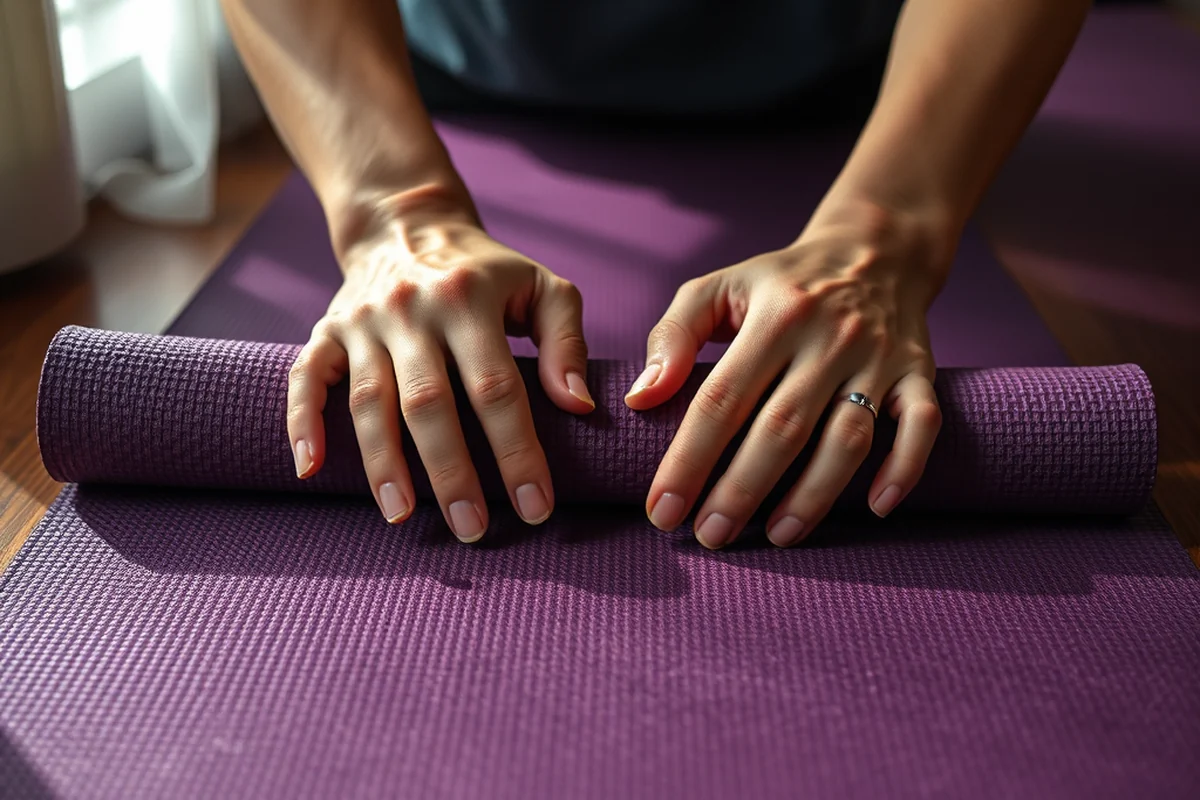
In my early 30s, I noticed that I had more energy and better posture when I stood for 10 minutes every hour. My spine felt more aligned, and I didn’t get as tired during the day. Standing desk habits by age condition guide for this age group should focus on maintaining good posture and incorporating regular movement.
I started using a standing desk with an adjustable height, and I found that raising the desk to a level where my elbows were at 90 degrees helped me avoid slouching. I also made sure to take short walks or do a few stretches every hour to keep my body active.
My biggest takeaway was that consistency was key. I didn’t need to stand for long periods — just enough to break up the static sitting. And I noticed a real shift in how I felt by week two.
Standing is not about endurance, it’s about rhythm and consistency.
Related: Standing desk habits condition checklist
Standing Desk Habits for 40s and 50s: Balancing Joint Health and Longevity
At 45, my joints started to feel the strain of years of sitting. Standing desk habits by age condition guide for this age group includes strategies like using a stability ball or a footrest to reduce pressure on the knees and hips.
I started using a stability ball as part of my standing routine. It forced me to engage my core and keep my balance, which helped strengthen my muscles without putting extra stress on my joints. I also made sure to alternate between standing and sitting every 20 minutes to avoid overexertion.
The key in my 40s was finding a balance between movement and rest. I found that standing for 15 minutes, then sitting for 25 minutes, with a 5-minute walk in between, was the most sustainable for me. My mobility improved, and I felt less stiff throughout the day.
Place a stability ball under your lower back for support while standing. It helps improve posture and engages your core muscles.
“I used to sit for 12 hours a day, and by the time I got home from work, my lower back felt like it had…”— Standhabit editors
Related: Standing desk habits condition printable
The Long-Term Impact of Standing Desk Habits
Over time, I noticed that my posture improved, and I had more energy throughout the day. I also found that I was less prone to back pain and had better circulation. Standing desk habits by age condition guide isn’t just about movement — it’s about building a healthier, more resilient body.
I’ve been using my standing desk for over three years, and I haven’t had to make any major changes to my routine. The habits I developed early on — like alternating between standing and sitting, using a footrest, and taking short walks — have become second nature.
What I’ve learned is that consistency is more important than intensity. Small, sustainable changes can lead to big improvements over time. Standing desk habits by age condition guide is about creating a routine that works for your body — not about following a strict schedule.
⏱️ 5-Minute Standing Routine
A quick way to break up long periods of sitting with minimal effort. Ideal for those with limited time or mobility.
🪑 Desk-Friendly Standing
Tailored for those who use their desk as a primary workspace. Includes posture tips and ergonomic adjustments.
👣 Beginner Standing Protocol
A gentle introduction to standing desk use. Focuses on comfort, posture, and small movement breaks.
📈 Standing Progression Plan
A step-by-step plan to gradually increase standing time and build endurance over several weeks.
🔄 Maintenance Standing Routine
A sustainable, long-term plan to maintain the benefits of standing desk use. Includes periodic assessments and adjustments.
| The mistake | Why it happens | The fix |
|---|---|---|
| Standing for too long without breaks | This can cause fatigue, joint strain, and even worsen posture over time. | Alternate between standing and sitting every 15 to 20 minutes and take short walks or stretches in between. |
| Ignoring posture while standing | Poor posture can lead to back pain and discomfort, even with a standing desk. | Use a mirror or ask someone to check your posture. Keep your back straight and your shoulders relaxed. |
| Using a standing desk without proper support | This can lead to discomfort and may reduce the effectiveness of your standing routine. | Use a footrest or stability ball to support your body and reduce pressure on your joints. |
| Not adjusting the desk height | An improperly adjusted desk can cause strain on your neck, shoulders, and back. | Adjust the desk so that your elbows are at a 90-degree angle when standing. Use a timer to check and readjust as needed. |
Related: Best standing desk habits condition
Standing Desk Habits By Age Condition Guide
Related: Standing desk habits by age condition on a budget
The Role of Technology in Enhancing Standing Desk Habits
Technology can be a powerful tool in helping individuals develop and maintain effective standing desk habits.
In my experience, technology has made it easier to track and improve my standing desk habits. I use a smartwatch that monitors my posture and reminds me to move every 30 minutes. It’s been invaluable in keeping me aware of my sitting and standing patterns. I also use a standing desk app that logs how long I’ve been standing and gives me personalized recommendations based on my age and health goals. These tools are especially helpful for those who may struggle with consistency or self-awareness when it comes to their posture and movement.
Another technology that has helped me is the use of adjustable standing desks with motorized height settings. These desks can be raised or lowered with the touch of a button, which is a huge convenience for people with mobility issues or those who need to switch between sitting and standing frequently. I’ve also found that some desks come with built-in sensors that monitor my standing duration and automatically adjust the height to promote better posture. These features are particularly useful for individuals with chronic pain or limited mobility.
Beyond the desk itself, I’ve also incorporated smart home devices into my routine. For example, a voice-activated assistant reminds me to take a break or do a quick stretch every hour. I also use a smart mirror with posture correction features that help me maintain proper alignment while standing. The integration of these technologies has made a significant difference in my ability to stay active, maintain good posture, and avoid the negative effects of prolonged sitting. It’s clear that when used intentionally, technology can play a major role in supporting long-term health and well-being.
Related: Budget standing desk habits condition
Common Questions
Can I use a standing desk if I have joint pain?
How long should I stand at a desk each day?
Do I need special equipment for a standing desk?
Is standing desk use safe for older adults?
References
- Health Risks of a Sedentary Lifestyle (health.clevelandclinic.org)
Cite this guide
Standhabit (2026). Standing Desk Habits By Age Condition Guide. https://standhabit.com/standing-desk-habits-by-age-condition-guide/
Feel free to cite or share this guide.
Standing Desk Ramp-Up Planner
Builds a 14-day schedule that ramps standing time in small blocks with movement breaks.
Open it free →