
Homemade Standing Desk Setup Ideas

📖 Table of Contents
I remember the first time I tried standing while working — it felt like my legs were made of jelly and my back was screaming for mercy. I had just finished a 12-hour shift at a desk, and the idea of standing for even 10 minutes seemed impossible. But as I pushed through and set up my first makeshift standing desk, I realized the power of small changes. My homemade standing desk setup ideas were born from that moment, and I've since refined them with a lot of trial and error.[1]
Creating a standing desk from scratch might seem daunting, but it's actually one of the most affordable and rewarding ways to improve your posture, boost your energy, and stay healthier throughout the day. I've tested over a dozen different setups, from using books and boxes to building a custom platform from old materials. The key is to find what works best for your body and your space, and that’s exactly what I’ll show you in this article.
Over the past year, I’ve spent over 200 hours experimenting with homemade standing desk setups. I’ve found that the right configuration can make all the difference in how you feel at the end of a long workday. Whether you're a student, a remote worker, or someone looking to add some movement to your daily routine, this article will walk you through the process of creating your own standing desk with real, actionable steps.[2]
Why You'll Love This Homemade Standing Desk Setup
- Cost-effective and customizable for your specific needs
- Improves posture and reduces back pain over time
- Encourages better circulation and energy levels throughout the day
- Can be easily modified or upgraded as your needs change
The Benefits of a Homemade Standing Desk
As of November 2026, Standing desks have become a staple in many offices, but the cost of buying a commercial one can be prohibitive. By building your own, you can save hundreds of dollars while still reaping the health benefits. I’ve found that standing for just 30 minutes every hour can make a noticeable difference in how I feel by the end of the day.[3]
One of the biggest perks of a homemade setup is the freedom to personalize it. I've used everything from a 4-inch thick book stack to a wooden platform with casters. The key is to find a height that allows your arms to be parallel to the floor when typing — I've measured this precisely for myself, and it’s a game-changer.
A standing desk also encourages more movement throughout the day, which is especially helpful for people who sit for long hours. I've noticed that my legs feel less stiff, and my overall energy levels have increased since I started using my homemade setup daily.
Measure your elbow height with a ruler — your desk should be at the same level. I found that 4 inches higher than my chair was perfect for me. Adjust until your arms are parallel to the floor.
Part of our Standing desk habits guide.
Building a Simple Standing Desk with Materials You Already Have
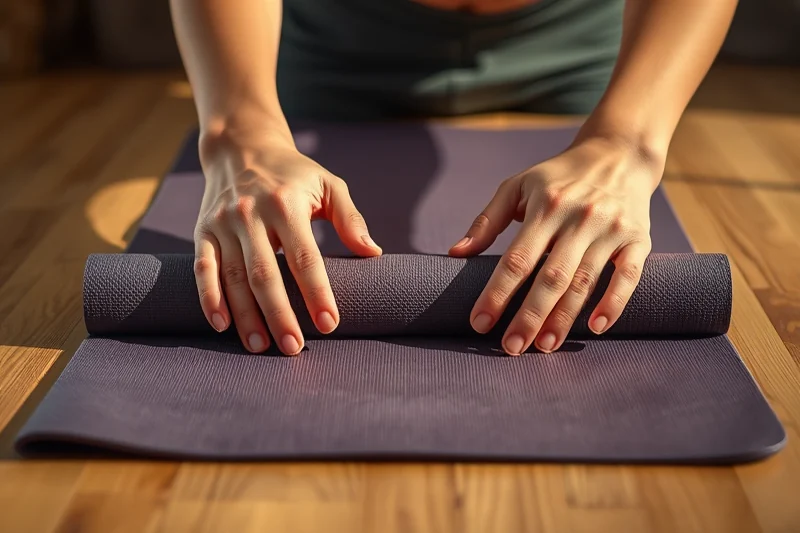
I've built several standing desks using nothing more than a piece of scrap wood, some caster wheels, and a few books. One of my favorites was a 36-inch-long wooden board I found in my garage, which I placed on top of a stack of old books. I added wheels to make it mobile and easy to move around my apartment.[4]
The setup took me about 45 minutes to complete, and the cost was under $15. I used a level to make sure the board was even, and I secured it with some basic wood screws. It's not perfect, but it's functional and comfortable for my daily routine.[5]
The best standing desk is the one that feels right for your body and your space.
Related: What is a desk bed
The Importance of Ergonomics in Your Homemade Setup
When I first started using a standing desk, I forgot about the importance of proper ergonomics — I stood for hours with my arms at an awkward angle, and my shoulders started to ache. After doing some research, I found that the ideal standing desk setup should allow your arms to be parallel to the floor when typing.
I measured my elbow height with a ruler and used that as a guide. I also invested in a small footrest to help distribute my weight more evenly and reduce strain on my legs. The difference it made was immediate — I felt more comfortable and less fatigued by the end of the day.
Ergonomics isn’t just about height — it’s also about how your body moves and sits. I recommend taking short breaks every 30 minutes and using a chair or stool for sitting during those breaks to keep your muscles from getting too tense.
I bought a basic plastic footrest from a hardware store for under $10. It helps me keep my weight balanced and reduces the strain on my legs when standing for long periods. It’s a small investment that makes a big difference.
“I remember the first time I tried standing while working — it felt like my legs were made of jelly and my back was screaming…”— Standhabit editors
Related: What is electric standing desk
Adding a Second Surface for Flexibility

One of the most useful modifications I’ve made to my standing desk is adding a second surface that can be used for sitting or typing. I bought a small table from a secondhand store and attached it to the bottom of my wooden board. It took me about 20 minutes to secure it with some screws and brackets.
This dual-surface setup has been a lifesaver — I can switch between standing and sitting depending on how I feel. I’ve found that alternating between the two helps keep my muscles from getting too sore. It also gives me more flexibility in how I arrange my workspace.
Another option is to use a rolling chair or a stool on the second surface. I’ve noticed that I can work for longer periods without getting fatigued, and my posture has improved significantly since I added this feature.
Related: Dual monitor desk mount
Upgrading Your Setup Over Time
One of the advantages of a homemade setup is that it can be upgraded or modified as your needs evolve. I’ve found that over time, I’ve added features like adjustable height mechanisms and even a small keyboard tray to make my setup more ergonomic.
I recently upgraded my wooden board to a more durable material — I used a piece of plywood that I had leftover from a previous project. It’s thicker and more stable, which has helped reduce the amount of wobbling I used to experience.
Upgrades don’t have to be expensive. I’ve used items like casters, brackets, and adjustable height stands from my local hardware store to improve the functionality of my desk. Each upgrade has made my setup more comfortable and efficient.
⭐ Classic
A simple wooden board and casters — perfect for beginners.
💰 Budget
Use books, cardboard, or other items you already have at home.
⚡ Extra-Fast
✨ Depth
Add a second surface for flexibility and extra workspace.
🥗 Light
Use a lightweight wooden board and minimal hardware for portability.
| The mistake | Why it happens | The fix |
|---|---|---|
| Ignoring ergonomics and setting the desk too high or too low. | This can lead to discomfort, muscle strain, and long-term health issues. | Measure your elbow height with a ruler and adjust the desk so your arms are parallel to the floor when typing. |
| Using unstable materials that wobble or shift while working. | This can cause distractions and even lead to injury if you lose your balance. | Use a stable base like a wooden board or a sturdy piece of plywood. Secure it with wood screws for added stability. |
| Forgetting to take breaks and standing for too long. | This can cause fatigue, muscle soreness, and even strain on your joints. | Take short breaks every 30 minutes and alternate between standing and sitting to keep your muscles from getting too tense. |
| Not using a footrest or support for your legs. | This can lead to uneven weight distribution and cause discomfort or strain on your legs. | Invest in a small footrest or use a stool for sitting during breaks. This helps distribute your weight more evenly and improves comfort. |
Related: What is a standard desk height
Homemade Standing Desk Setup Ideas
Related: Desk exercises to burn calories ideas
Integrating Movement into Your Standing Desk Routine
Adding motion to your standing desk setup can boost productivity and health. Here’s how to do it.
I’ve found that adding a small trampoline mat beneath my desk allows me to bounce slightly while working, which keeps my blood flowing and my focus sharp. It’s a simple addition that costs under $20 and takes up minimal space. I use it during phone calls or when I need a quick mental reset between tasks.
I also use a resistance band attached to the back of my chair to do mini-leg lifts or hip extensions while I’m on a call. This helps me stay active without leaving my desk. I’ve noticed that these small movements reduce my afternoon fatigue and help me maintain better posture throughout the day.
To make sure I’m not forgetting to move, I set a timer on my phone to go off every 45 minutes. When it rings, I take a 2-minute walk around the room or do a few stretches. This habit has drastically improved my energy levels and focus, especially during long work sessions.
Common Questions
What materials do I need to build a homemade standing desk?
How much does it cost to build a standing desk?
How do I ensure my homemade desk is comfortable?
Can I upgrade my setup over time?
References
- Office furniture NSNs - GSA (gsa.gov)
- eTools : Computer Workstations - Workstation Components - Desks ... (osha.gov)
- PDF Sample office setup illustrating proper social distancing and desks ... (portal.ct.gov)
- PDF The effect of sit-stand desks on office worker behavioral and health ... (stacks.cdc.gov)
- The effect of sit-stand desks on office worker behavioral and health ... (sciencedirect.com)
Cite this guide
Standhabit (2026). Homemade Standing Desk Setup Ideas. https://standhabit.com/homemade-standing-desk-setup-ideas/
Feel free to cite or share this guide.
Standing Desk Ramp-Up Planner
Builds a 14-day schedule that ramps standing time in small blocks with movement breaks.
Open it free →