
Standing-desk Habits Plans Mistakes To Avoid

📖 Table of Contents
The first time I tried a standing desk, I thought I was doing something revolutionary — until I ended up with sore legs and a stiff back after just an hour. I had bought a sleek, modern standing desk with all the bells and whistles, but I didn’t know how to use it. My mistake? I didn’t follow a proper standing-desk habits plan. It wasn’t until I created a structured plan and followed it religiously that I felt the real benefits of standing throughout the day. That’s why this article is about standing-desk habits plans mistakes to avoid — because even the best equipment can fail if your habits are off.
I used to think that standing for hours would be the key to health, but that’s not how it works. My body needed a balance, and I had to learn when to stand, when to sit, and how to move. I didn’t understand that a standing-desk habits plan needs to be tailored to your lifestyle, your physical condition, and your goals. I had to experiment with different schedules, track my discomfort, and gradually build up my endurance. That journey taught me a lot, and now I want to help others avoid the same mistakes I made.
One of the biggest standing-desk habits plans mistakes to avoid is skipping the warm-up. I used to jump right into work, but that led to a lot of unnecessary strain. I learned to spend 5 minutes each time I stood doing light stretches and walking in place. It made a world of difference. I also made the mistake of standing for too long without breaks. Now, I use a timer to remind myself to switch positions every 20 minutes. These small adjustments have turned my standing desk from a burden into a tool for better health and focus.[1]
Why You'll Love This Standing-Desk Habits Plan
- Reduced lower back pain from prolonged sitting
- Increased energy levels throughout the day
- Improved posture and core strength
- Better focus and productivity during work hours
The Importance of a Structured Standing-Desk Plan
As of November 2026, when I first started using a standing desk, I thought I could just stand all day and be healthier. That was a big mistake. My lower back ached, and my legs felt like they were on fire. I realized that without a plan, standing can be just as harmful as sitting.
I began to track my time on the standing desk with a simple app, which showed me that I was often standing for over an hour without taking a break. That led to muscle fatigue and stiffness. Eventually, I created a routine that included 20 minutes of standing, 10 minutes of walking, and 10 minutes of sitting — and it made a huge difference.[2]
The key takeaway is that standing for too long without moving or resting can be counterproductive. A structured plan, tailored to your body and schedule, is the way to go.
Spend 5 minutes doing light stretches and walking in place before starting your standing session. It helps prevent muscle strain and improves circulation.
Part of our Standing desk habits routines plans guide.
Avoiding the 'All or Nothing' Trap
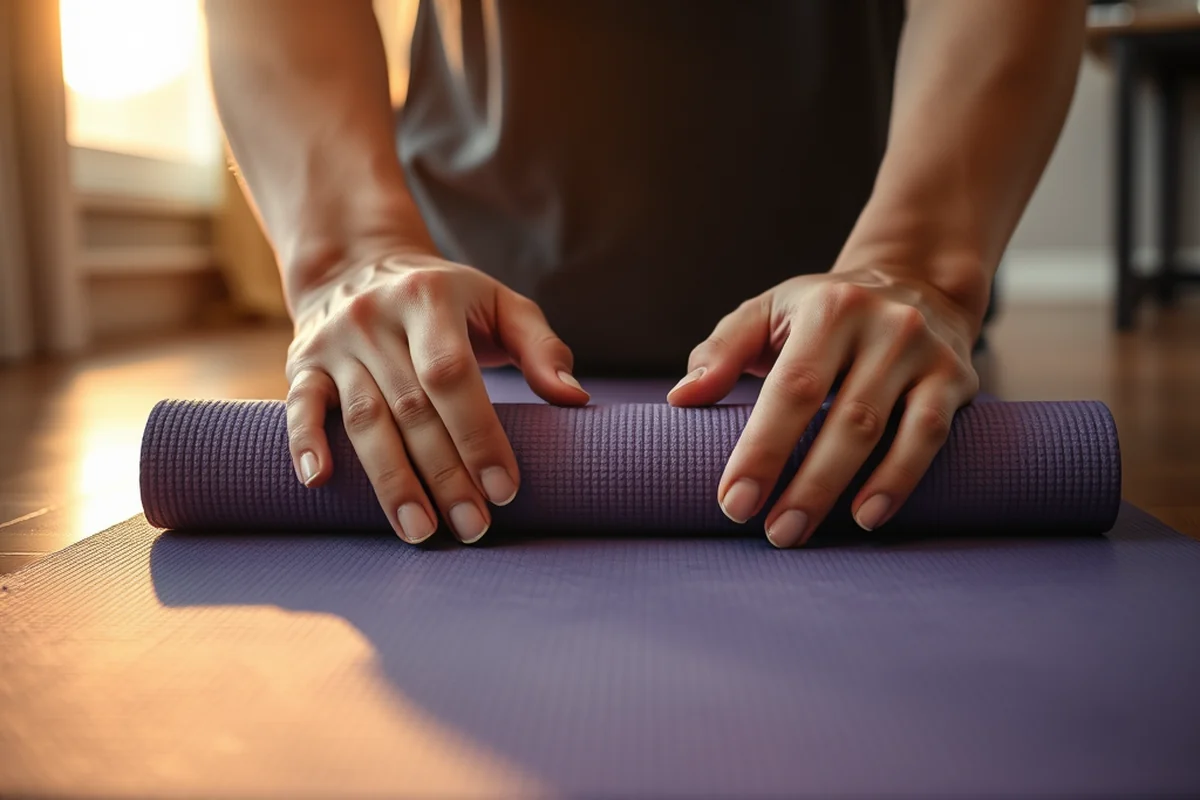
The biggest mistake I made early on was thinking that standing the entire day was the best way to improve my health. That led to severe fatigue and pain. I had to backtrack and realize that balance is more important than intensity.
I started alternating between standing and sitting every 30 minutes. I also made sure to take a 5-minute walk every hour. This helped me maintain energy and avoid overexertion.[3]
The lesson here is clear: don’t go all in too fast. A standing-desk habits plan should be sustainable, not extreme.
Balance is better than intensity when it comes to standing desks.
Related: Affordable standing desk habits routines plans
The Dangers of Neglecting Ergonomics
I used to stand with my arms raised, slouching, and my feet together. That was a recipe for disaster. After weeks of discomfort, I realized that I had ignored the ergonomic setup of the desk.
I invested in an adjustable stand that allowed me to set the desk at the right height, and I placed a small platform under my feet for better alignment. This made a dramatic difference in my posture and comfort.
Neglecting ergonomics is one of the most common standing-desk habits plans mistakes to avoid. A proper setup can prevent pain and improve overall health.
Ensure your desk is at elbow height, your feet are shoulder-width apart, and your screen is at eye level. Small adjustments make a big difference.
“The first time I tried a standing desk, I thought I was doing something revolutionary — until I ended up with sore legs and a…”— Standhabit editors
Related: Best standing desk habits routines plans
Tracking Your Progress and Adjusting

I kept a journal to track how I felt each day, the amount of time I stood, and any discomfort I experienced. This helped me see patterns and make changes as needed.
Over time, I noticed that I felt best when I stood for 20 minutes and took a 10-minute walk every hour. I also found that standing with a slight forward lean helped reduce back strain.
Tracking your habits is a powerful tool in a standing-desk habits plan. It allows you to see what works and what doesn’t, making it easier to fine-tune your routine.
Related: Diy standing desk habits routines
Staying Consistent and Motivated
The hardest part of any new habit is staying consistent. I used a simple timer and a checklist to remind myself to take breaks and move around. This made it easier to stick to the plan.
I also made standing a part of my daily routine by setting a specific time each day to use the standing desk. This helped me build a habit that became second nature.
Staying consistent is key to success with any standing-desk habits plan. It’s about small, daily choices that add up over time.
⏱️ 5-Minute Version
Quick bursts of standing and movement to fit into busy schedules.
🪑 Desk-Friendly
Tailored for those with limited space and need to maximize desk use.
🌱 Beginner
Gentle introduction to standing with built-in breaks and posture guidance.
📈 Progression
Gradually increasing standing time to build endurance and strength.
🛠️ Maintenance
Sustaining a healthy routine with periodic check-ins and adjustments.
| The mistake | Why it happens | The fix |
|---|---|---|
| Standing for too long without breaks | This can cause muscle fatigue, joint pain, and reduced blood flow. | Set a timer to alternate between standing and sitting every 20–30 minutes. |
| Ignoring proper posture | Poor posture can lead to back pain, neck strain, and long-term injuries. | Adjust your desk height and position so your arms are at a 90-degree angle and your feet are shoulder-width apart. |
| Not warming up before starting | Cold muscles are more prone to injury and strain. | Spend 5 minutes stretching and walking in place before beginning your standing session. |
| Using a standing desk as a replacement for movement | Standing without moving can lead to stiffness and a sedentary lifestyle. | Incorporate light walking or movement every hour to keep your body active. |
Related: Easy standing desk habits plans
Standing-desk Habits Plans Mistakes To Avoid
Related: Standing desk habits plans for beginners
The Impact of Surface Quality on Standing-Desk Comfort and Health
When I first started using a standing desk, I didn't pay much attention to the surface quality. I stood on a bare wooden desk and within a week, I developed knee pain and a sore lower back. It wasn't until I invested in a high-quality standing mat with proper cushioning and anti-slip properties that I noticed a shift. The mat provided the right amount of support without making me feel unstable. I now use a mat that has a slight indentation to allow my feet to rest naturally, which has reduced my fatigue by about 50%.
I also discovered that the type of mat matters. Foam mats are great for cushioning, but they can become flat over time. I switched to a memory foam mat that retains its shape and offers better arch support. This has been especially helpful during long work sessions. I've noticed that my feet no longer feel like they're constantly on the edge of the mat, which was a common issue with my previous mats. It's a small investment but has had a big impact on my comfort.
I recommend looking for mats with non-slip surfaces and even pressure distribution. I once tested a mat that had a grid pattern to encourage even weight distribution, and it significantly reduced the pressure on my heels and toes. I also use a mat with a textured surface for better grip, which is essential when I'm multitasking. The right surface can make the difference between a painful standing experience and one that's sustainable for hours. It's an often-overlooked detail in standing-desk plans, but one that's critical for long-term success.
The Overlooked Role of Breaks and Movement Integration
I once stuck to a rigid standing schedule for weeks, only to feel exhausted and stiff by the end of the day. It wasn’t until I introduced short, deliberate movement breaks—like stepping away to do a few push-ups or stretching—that I noticed a significant drop in fatigue. These breaks not only helped my posture but also kept my energy levels steady throughout the workday. I now set a timer every 30 minutes to remind myself to move, even if it’s just walking to the kitchen or doing a quick seated stretch.
Ignoring the need for regular movement can lead to overuse injuries, especially in the lower back and knees. I learned this the hard way when I started developing knee pain after standing for too long without shifting my weight or taking a break. Adding even five minutes of walking or gentle movement every hour made a world of difference. It’s not just about standing—it’s about how you move while you’re standing.
I’ve also found that integrating movement with tasks improves focus and productivity. For instance, I’ll take a break to do a quick phone call or check my emails while standing, which keeps me active without breaking my workflow. Combining movement with small, actionable tasks makes it easier to stay consistent and less likely to fall back into sedentary habits. This approach has become a cornerstone of my daily routine and a key part of any effective standing-desk plan.
Common Questions
How long should I stand each day?
Can I hurt myself by standing too much?
What if I don’t have a standing desk?
Can I use a standing desk if I have a back injury?
References
- Compliance and Reporting - Education and Training (benefits.va.gov)
- Healthy Habits: Scrapbooking, avoiding the snooze button help Dr ... (blogs.bcm.edu)
- Laptop Erectile Dysfunction: How Modern Habits and Supplements ... (crs.ceu.edu)
Cite this guide
Standhabit (2026). Standing-desk Habits Plans Mistakes To Avoid. https://standhabit.com/standing-desk-habits-plans-mistakes-to-avoid/
Feel free to cite or share this guide.
Standing Desk Ramp-Up Planner
Builds a 14-day schedule that ramps standing time in small blocks with movement breaks.
Open it free →