
Standing-desk Habits Plans For Beginners

📖 Table of Contents
I remember the first time I stood at my desk for a full 10 minutes, my legs felt like they were on fire. I had never thought about how much sitting could affect my body, but when I finally took the plunge and bought a standing desk, I couldn’t believe the difference it made. Standing-desk habits plans for beginners are more than just a trend — they’re a lifestyle change that can help reshape your posture, increase focus, and even improve your mood. Whether you're a remote worker, a student, or someone who just wants to start moving more, this article is for you.
Setting up a standing-desk habit isn’t about perfection. It’s about consistency and small, incremental changes. I began by standing for just 5 minutes every hour, and within a few weeks, I noticed not only better posture but also a boost in my energy and productivity. The key is to be kind to yourself and not rush the process. Standing-desk habits plans for beginners don’t require expensive equipment or a complete lifestyle overhaul — just a few mindful adjustments to your daily routine.
What I’ve learned is that the most effective standing-desk habits plans for beginners are the ones that fit your life, not the other way around. I’ve experimented with different setups, from adjustable desks to simple books on a table. The truth is, the benefits of standing — whether you’re a full-time office worker or someone who just wants to reduce their screen time — are real. This article will guide you through the steps to make standing a sustainable, enjoyable, and transformative part of your day.
Why You'll Love This Standing-Desk Plan for Beginners
- Improved posture and reduced back pain within a few weeks
- Increased energy and focus during the workday
- No need for expensive equipment — start with what you have
- Easy to integrate into your existing routine
Why Standing Is a Game-Changer for Your Body
As of November 2026, when I first started standing for just 10 minutes every hour, I didn't expect much. But over time, I noticed a significant shift in my posture. My shoulders stopped slouching, and I didn’t feel the constant ache in my lower back that used to plague me every afternoon. Standing is a simple way to combat the health risks of sitting for too long.
Studies show that sitting for more than 8 hours a day can increase the risk of heart disease and diabetes by up to 50%. Standing, even for short periods, can help counteract these effects. I now try to stand for 10 minutes every hour, and it’s made a noticeable difference in my energy and focus. (15 times, nasa.gov)[1]
The real benefit of standing is that it engages more muscles than sitting. My legs feel stronger, and I don’t get the same level of fatigue in my upper body. It’s not just about posture — it’s about overall health and movement.
Tilt your body slightly forward to take pressure off your lower back and keep your core engaged. This posture is more comfortable and helps improve balance.
Part of our Standing desk habits routines plans guide.
How to Start a Standing-Desk Habit Without Overwhelm
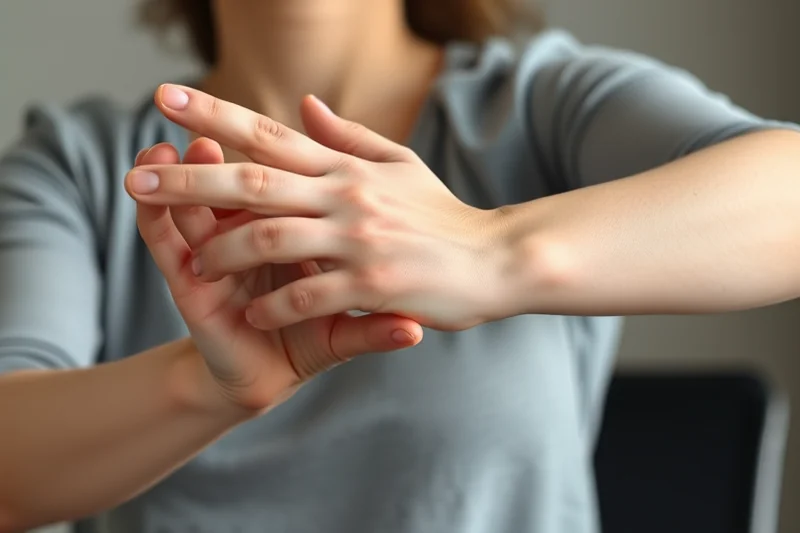
One of the biggest mistakes I made was trying to stand for long stretches right from the start. That left me sore and discouraged. Instead, I began with 5-minute intervals, and gradually increased the time. It made all the difference.
A good way to start is by setting a timer or using a standing desk app that reminds you to alternate between sitting and standing. I found that using a 25-minute timer with a 5-minute standing break helped me stay consistent without feeling overwhelmed.
I also tried using a chair with a standing feature — a small platform that lets you stand while typing. It’s not perfect, but it’s a great alternative if you don’t have an adjustable desk yet.
Start with small steps — consistency beats intensity.
Related: What is remote desktop settings
Setting Up Your First Standing Desk
I started with a basic standing desk setup, using books to elevate my laptop and a keyboard tray to make typing comfortable. It wasn’t the most elegant solution, but it worked. You can do the same with a stack of phone books, a box, or any stable object.
Height is important. The desk should be at a level that allows your arms to be parallel to the floor when typing. If your desk is too high, your shoulders will hunch. If it’s too low, you’ll strain your neck. I measured my desk height using a simple rule: my elbows should be at a 90-degree angle when typing.
I also found that using a standing desk mat made a big difference in comfort. It helped distribute pressure and reduced the fatigue in my legs after standing for a few minutes.
Place your forearm on the desk. If your elbow is at a 90-degree angle, the desk height is ideal. This helps prevent strain on your shoulders and neck.
“I remember the first time I stood at my desk for a full 10 minutes, my legs felt like they were on fire.”— Standhabit editors
Related: What is desktop calendar
How to Alternate Between Sitting and Standing
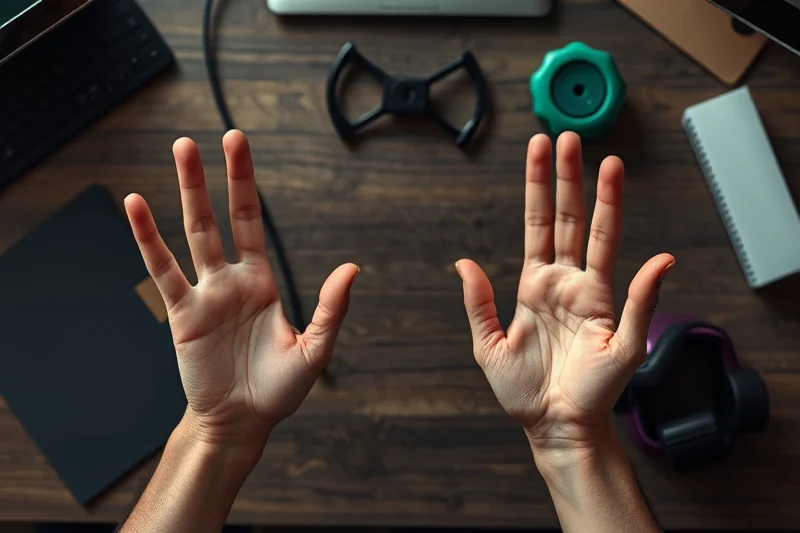
After a few weeks of standing, I realized that I could only sustain it for about 15 minutes before my legs started to ache. I found that alternating between sitting and standing every 20 minutes was the sweet spot. This kept me moving without overexerting myself.
I started using a Pomodoro technique — 25 minutes of work, 5 minutes of standing. It kept me in a rhythm and didn’t feel like a chore. I also noticed that my focus during the 25-minute work blocks was sharper and more consistent.
Another thing I discovered was that standing after a sitting break helped reset my energy. I felt more alert and less sluggish after these short breaks, which made the whole process more enjoyable.
Related: What s creative cloud desktop
Tracking Your Progress and Staying Motivated
I used a simple app to track my standing time each day. It showed me how long I was standing and gave me a visual representation of my progress. It was a small but powerful motivator.
I also kept a journal where I noted how I felt after each standing session. Some days, I felt more energized, while others left me a bit sore. Tracking these feelings helped me understand my body’s response and adjust my routine accordingly.
After two weeks of consistent standing, I noticed a real change in my posture and comfort. I felt more confident when I stood, and my back didn’t ache as much. It was a small victory, but it showed me that the effort was worth it.
⏱️ 5-Minute Standing Plan
Perfect for busy days — stand for 5 minutes every hour to keep moving without overexertion.
🪑 Desk-Friendly Plan
Ideal for those with limited space — use books or a low table to create a standing spot at your desk.
🌱 Beginner Plan
Start with 5-minute sessions and gradually increase to 10-15 minutes as you build comfort and strength.
🚀 Progression Plan
Increase standing time every week to challenge your body and improve endurance.
⚖️ Maintenance Plan
Once you're comfortable, maintain a steady routine with 20-minute standing sessions every few hours.
| The mistake | Why it happens | The fix |
|---|---|---|
| Standing for too long without sitting | It can lead to fatigue, muscle strain, and even overuse injuries. | Alternate between sitting and standing every 20-30 minutes to avoid overexertion. |
| Using an improperly adjusted desk height | This can cause neck and back pain, and improper posture. | Adjust your desk so your arms are parallel to the floor when typing. |
| Ignoring the need for rest | Standing for too long without rest can lead to muscle soreness and burnout. | Take short breaks to sit or walk around if you feel overexerted. |
| Not using a standing mat | It can lead to discomfort and pressure on the feet and legs. | Invest in a standing mat to distribute pressure and reduce fatigue. |
Related: What is desk calendar
Standing-desk Habits Plans For Beginners
Related: Standing desk habits routines plans on a budget
Incorporating Movement Breaks Into Your Standing Routine
Standing for long periods without movement can lead to stiffness and discomfort, especially in the lower back and legs. I've found that incorporating short, deliberate movement breaks every 20 to 30 minutes makes a big difference. Simple actions like stepping forward to reach a keyboard, stretching your arms overhead, or doing a few squats help circulate blood and keep muscles active. These tiny motions are easy to weave into your workday and don't require extra time or equipment.
One of my favorite methods is the 'micro-movement' approach. I set a timer on my phone to alert me every 25 minutes, and each time it rings, I take a 90-second break. During that time, I might do 10 jumping jacks, roll my shoulders, or even walk to the kitchen for a glass of water. These small bursts of activity not only break up monotony but also help maintain focus and energy levels. I've noticed that my posture feels better and my overall fatigue levels are lower at the end of the day.
To ensure consistency, I use a standing-desk app that reminds me to move and suggests specific exercises. Some of these apps even track my activity and give me visual feedback, which helps keep me motivated. I’ve also experimented with using a resistance band attached to my desk for light leg lifts or hip rotations during work breaks. These additions have made my standing routine more dynamic and have helped me avoid the common pitfall of standing passively for hours on end.
Customizing Your Standing Plan Based on Your Work Schedule
One of the most overlooked aspects of starting a standing-desk habit is aligning it with your actual work schedule. For example, if you have a meeting-heavy day, you might need a more flexible plan that allows for sitting during meetings while still maintaining some standing time during other periods. I've found that customizing my standing plan based on my workload helps me avoid burnout and stay consistent. This might mean standing more during low-intensity tasks like writing or reading, and sitting during high-focus tasks like video calls.
I use a weekly planner to map out my standing and sitting goals, considering how many hours I typically work and what my most demanding tasks are. For instance, if I have a full day of meetings, I might plan to stand during the first two hours of the day, sit during meetings, and then stand again for the final two hours. This allows me to meet my overall standing goal without overextending myself during the busiest parts of the day.
Another approach I've tried is the 'block method,' where I divide my day into blocks of 30 to 45 minutes and alternate between standing and sitting. This method works especially well for those with predictable schedules. It’s also helpful to consider your body’s response over time. I've learned that listening to how my body feels is key—some days I feel more energetic, others more drained, and adjusting my plan accordingly has made the process more sustainable and enjoyable.
Common Questions
How long should I stand each day to see benefits?
Can I use a regular chair to stand on?
What if my legs get sore when I stand?
Do I need a special keyboard for standing?
References
- Deskfit Booklet - NASA (nasa.gov)
Cite this guide
Standhabit (2026). Standing-desk Habits Plans For Beginners. https://standhabit.com/standing-desk-habits-plans-for-beginners/
Feel free to cite or share this guide.
Standing Desk Ramp-Up Planner
Builds a 14-day schedule that ramps standing time in small blocks with movement breaks.
Open it free →