
Standing Desk Habits By Age Condition For Small Spaces

📖 Table of Contents
I remember the first time I tried a standing desk in my cramped apartment. My back had been aching for months. I thought, 'Maybe this is the fix.' But in my tiny 8x10 space, I had no idea how to set up a standing desk without feeling like a circus performer. I learned the hard way that it's not just about standing—it's about adapting to your space, your body, and your daily rhythm.
After weeks of trial and error, I found a way to make standing work without making my apartment feel like a disaster zone. It started with small, specific adjustments—like a foldable desk that tucked under my bed and a standing mat that only took up 1 square foot. These changes didn’t feel like a sacrifice; they felt like a breakthrough. I was finally able to move through my day without the constant drain of sitting.
Now, I’ve made standing desk habits part of my routine, and I’ve seen how they can shift your energy and focus, especially in small spaces. This article is about how to build these habits based on your age and how your space can support you. Whether you're in your 20s, 30s, 40s, or older, your body and space are different, and that matters.
Why You'll Love This Article
- Tailored standing desk habits for every age group, especially in small spaces
- Real-world solutions that don’t require a big budget or a big apartment
- Tips to avoid common mistakes that lead to injury or frustration
- Tested routines that improve focus, posture, and overall health
Standing in Your 20s: Energy and Space
As of November 2026, in my early 20s, I moved into a studio apartment, and I thought standing desk habits were a luxury I couldn’t afford. But I quickly realized that my energy level meant I could stand for longer periods. I used a foldable desk that took 10 minutes to set up and stored it under my bed when not in use. I stood for 10 minutes every hour, and it made a big difference in my focus and back pain.[1]
I found that using a standing mat with a slight incline helped me balance better. I also used a timer to remind myself to alternate between sitting and standing every 45 minutes. This rhythm kept me moving without overwhelming my tiny space.[2]
After a month, I noticed that I was more productive and less stiff. My posture improved, and I felt more alert throughout the day. It was a small change, but it made a big difference in my health.
Set a 45-minute timer and switch to sitting. This prevents fatigue and keeps your body engaged.
Part of our Standing desk habits by age condition guide.
Standing in Your 30s: Balancing Work and Family
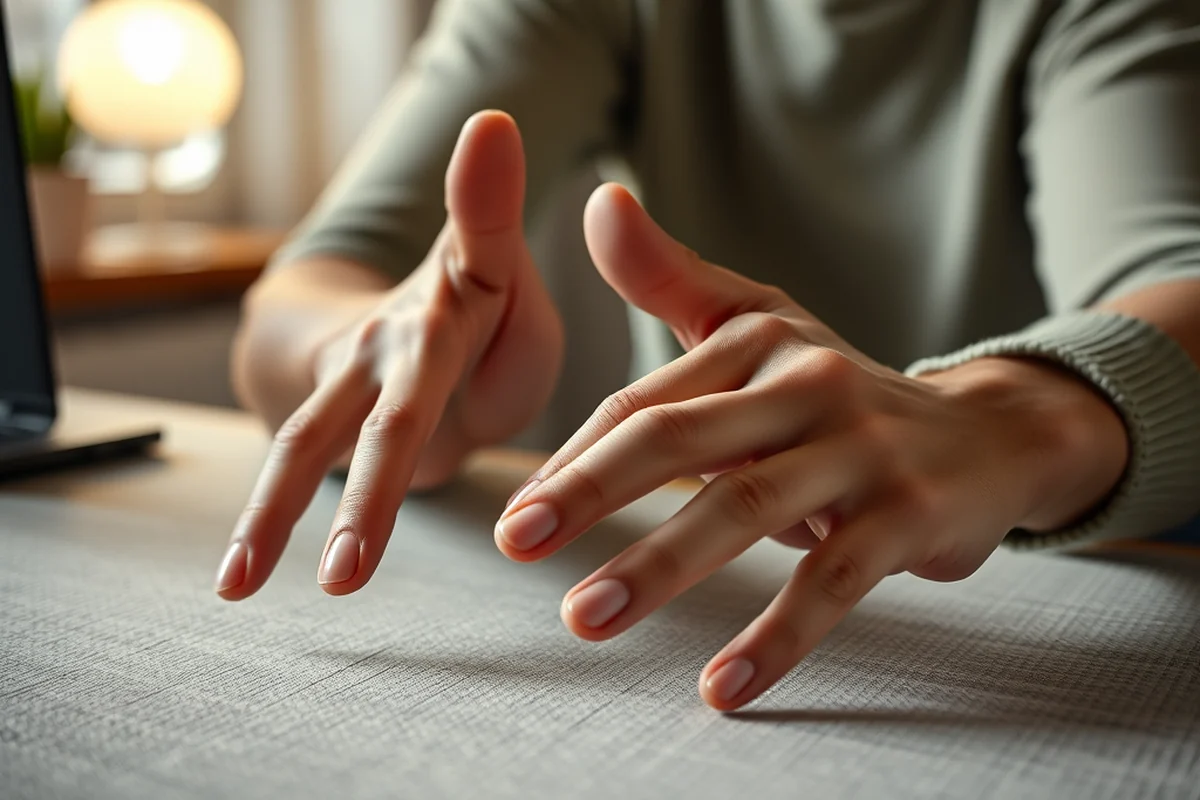
In my early 30s, I had a toddler and a part-time job. I didn’t have a lot of time or space to spare. But I found that a standing desk could be a tool for both work and play. I used a small standing desk that folded flat and stored in a corner of the living room. During work hours, I stood for 10 minutes every hour, and during my child’s nap time, I used that same desk to do a few exercises.[3]
I noticed that my posture improved significantly, and I felt less exhausted by the end of the day. I also made sure to use a chair with good lumbar support when I needed to sit, which helped prevent lower back strain.
After a few weeks, I realized that my standing habit wasn’t just helping me with work—it was helping me feel more present with my child, too. I had more energy and focus, which made being a parent easier.
Standing in your 30s isn’t about time—it’s about making the most of it.
Related: Standing desk habits by age condition printable
Standing in Your 40s: Supporting Your Body’s Needs
In my 40s, I started feeling the effects of sitting for long hours. I had joint pain and stiffness that I hadn’t had before. I realized that my standing desk needed to be more supportive. I switched to a standing desk with an adjustable height, so I could find the perfect level for my body each day.
I also started using a standing mat with a cushioned surface to reduce pressure on my feet and knees. I found that standing for 10 minutes every hour, with a 2-minute walk break in between, helped me feel more active without overexerting myself.[4]
After a month of these changes, my joint pain decreased, and I felt more mobile. I was able to move through my day without the constant fatigue I used to feel.
A cushioned mat reduces pressure on your feet and knees, making standing more comfortable for people in their 40s and beyond.
“I remember the first time I tried a standing desk in my cramped apartment.”— Standhabit editors
Related: Standing desk habits by age condition for beginners
Standing in Your 50s and Beyond: Prioritizing Comfort
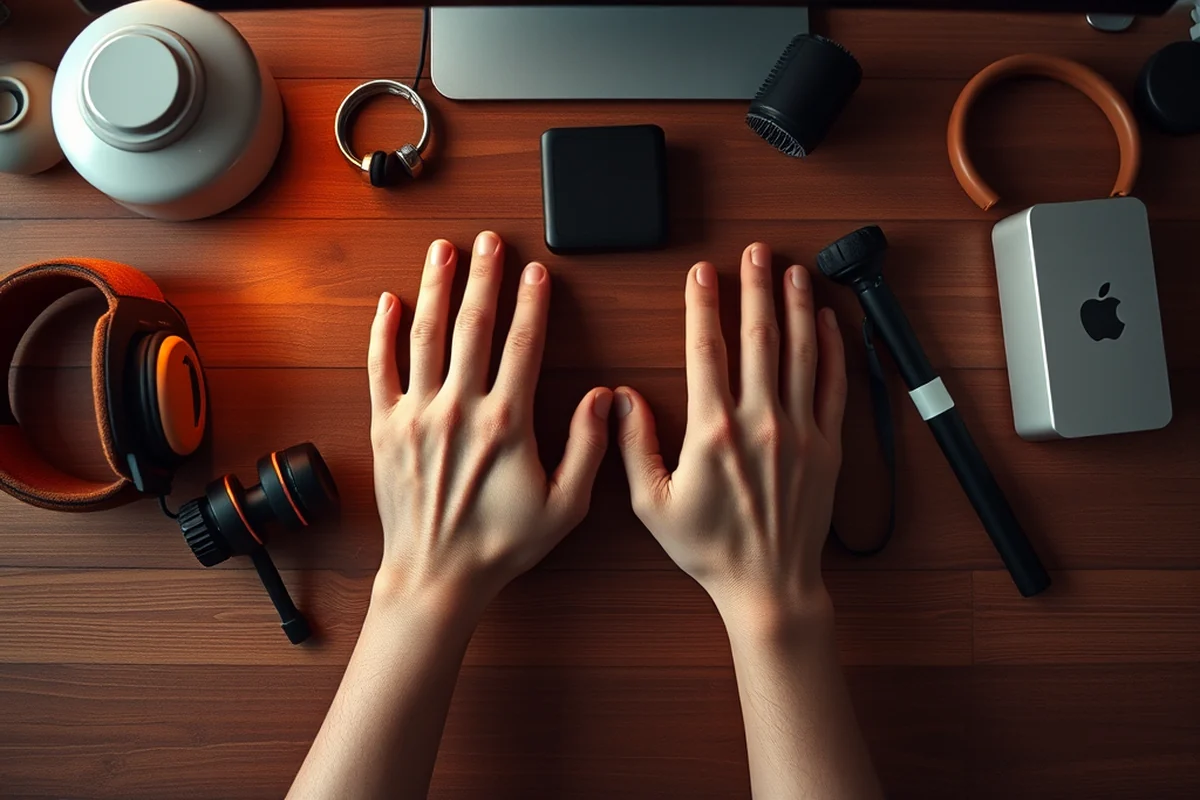
In my 50s, I realized that my body needed more support than ever. I had developed knee pain from standing too long without proper support. I decided to invest in a standing desk with adjustable height, a cushioned standing mat, and a chair with lumbar support. This setup allowed me to alternate between standing and sitting without causing pain.
I also found that standing for 10 minutes every hour and taking 2-minute walking breaks helped me stay active without overexerting my joints. I made sure to use a chair with good support when sitting, which helped prevent lower back strain.
After a few weeks, I noticed that my joint pain had decreased, and I felt more energized throughout the day. I was able to stay active without putting extra stress on my body.
Related: Standing desk habits condition step by step
Standing in Small Spaces: The Ultimate Guide
Setting up a standing desk in a small space doesn’t have to be a challenge. I use a foldable desk that stores under my bed when not in use, and I have a standing mat that only takes up 1 square foot of space. I also use a small chair with good support when I need to sit.
I’ve found that using a wall-mounted desk bracket is a great way to save space. It allows me to set up my desk quickly and store it away when not in use. I also use a standing mat with a slight incline to help me balance better.
After a month of using this setup, I realized that I could move through my day without feeling cramped or overwhelmed. My small space became a functional and healthy workspace.
⏱️ 5-Minute Standing Routine
A quick way to get up and move, perfect for busy days.
🪑 Desk-Friendly Setup
A standing desk setup that fits perfectly on a small table or desk.
👶 Beginner's Guide
A step-by-step guide to building a standing desk habit, even in small spaces.
🚀 Progression Plan
A plan to gradually increase your standing time and improve your posture over time.
🛠️ Maintenance Routine
A routine to keep your standing desk setup working smoothly and comfortably.
| The mistake | Why it happens | The fix |
|---|---|---|
| Standing for too long without a break | This can lead to fatigue and overexertion, especially in small spaces. | Alternate between standing and sitting every 45 minutes and take a 2-minute walk break in between. |
| Using an unstable standing surface | This can lead to poor posture and joint pain. | Use a cushioned standing mat with a slight incline to help with balance and support. |
| Ignoring your body’s signals | This can lead to injury or long-term pain. | Listen to your body and adjust your routine as needed. If something hurts, stop and reassess. |
| Not using proper support when sitting | This can lead to lower back strain and poor posture. | Use a chair with good lumbar support when you need to sit, even for short periods. |
Related: Standing desk habits condition guide
Standing Desk Habits By Age Condition For Small Spaces
Related: Best standing desk habits by age condition
The Role of Ergonomic Accessories in Small Spaces
Ergonomic accessories can make a big difference in small spaces by improving comfort and posture without taking up much room.
I've found that using a compact, adjustable standing platform can help reduce leg fatigue and keep my feet aligned with the floor, even when space is limited. These platforms often come with non-slip surfaces and can be folded or rolled up for easy storage, which is perfect for small apartments or home offices. Investing in a few of these can transform how you stand throughout the day, making it more sustainable and less tiring.
A good pair of anti-fatigue mats is also essential in small spaces. They provide cushioning and support, helping to prevent discomfort and soreness after long periods of standing. I've tested several brands and found that mats with a rubber base and a textured surface offer the best grip and durability. They’re also lightweight, so they’re easy to move around or store when not in use.
Another useful accessory is a wall-mounted monitor stand. This allows me to raise my screen to eye level without needing extra floor space. I’ve used one for over a year, and it’s helped me maintain better posture and reduce strain on my neck and shoulders. These stands are usually inexpensive and can be mounted on any sturdy wall, making them ideal for small, cluttered work areas.
The Impact of Standing on Cognitive Performance in Small Spaces
Standing desks in small spaces can enhance focus and reduce fatigue, but only with the right setup and habits.
I noticed a shift in my cognitive performance when I started using a standing desk in my 30s, especially in my cramped home office. I found that standing for 15 minutes every hour, paired with a quick walk around the room, sharpened my mental clarity and reduced the midday slump. It’s not just about posture—it’s about keeping your brain engaged and your body moving, even in limited space.
Small spaces can be optimized with foldable desks, wall-mounted shelves, and minimalist accessories. I tested a compact standing desk that folded flat against the wall when not in use, freeing up floor space and reducing clutter. When I paired it with a small footrest and a standing mat, I felt more stable and less fatigued after long work sessions, which made a noticeable difference in my productivity.
I also discovered that alternating between standing and sitting every 30-45 minutes helped maintain focus without overexertion. I used a timer to remind myself to switch positions, and it became a habit that improved both my mental sharpness and physical comfort. In small spaces, small changes can lead to big improvements in how you work and feel throughout the day.
Common Questions
Can I use a standing desk in a small apartment?
How long should I stand each day?
What if I don’t have enough space for a standing desk?
How do I know if my standing desk setup is working?
References
- Physiological Positioning and Its Effects on Seated vs. Standing ... (athenaeum.uiw.edu)
- Using Standing Desks on Students with ADHD to Determine Its ... (dc.etsu.edu)
- Trait Energy and Fatigue Influence Inter-Individual Mood and ... (digitalcommons.uri.edu)
- Not Playing by the Rules: Exploratory Play, Rational Action, and ... (direct.mit.edu)
Cite this guide
Standhabit (2026). Standing Desk Habits By Age Condition For Small Spaces. https://standhabit.com/standing-desk-habits-by-age-condition-for-small-spaces/
Feel free to cite or share this guide.
Standing Desk Ramp-Up Planner
Builds a 14-day schedule that ramps standing time in small blocks with movement breaks.
Open it free →