
Standing Desk Habits Progress Tracking For Beginners

📖 Table of Contents
The first time I stood at my desk for more than an hour, I felt my legs burn like I'd just finished a sprint. I was exhausted, but also strangely energized. I’d been sitting for years, and the shift was jarring. Standing desk habits progress tracking for beginners wasn’t on my radar before that day, but it became essential. I had to find a way to measure how much I was standing, how long I was doing it, and whether I was actually seeing change.
I bought a basic standing desk with a simple app that logged my time. It didn’t track steps or heart rate, just how long I was upright. After two weeks, I realized that I wasn’t standing nearly as much as I thought I was. I was slouching, shifting my weight, and even sitting down for short breaks that added up. Tracking my standing desk habits progress for beginners was the only way I could see where I was going wrong—and where I needed to improve.
Now, I’ve been tracking my standing desk habits progress for beginners for over a year. I’ve learned that small, consistent changes matter more than sudden, overwhelming shifts. I’ve found that progress is measured in minutes, not hours. And I’ve discovered that tracking this progress isn’t just a habit—it’s a lifeline. It keeps me honest, focused, and motivated to keep moving, even when I’d rather sit.
Why You'll Love This Standing Desk Progress Tracker
- It helps you build consistent standing habits in a way that’s easy to follow.
- It gives you measurable results that help you stay motivated.
- It’s tailored for beginners with no complicated jargon or over-the-top tech.
- It works with any standing desk, even the most basic models.
The Power of a Daily Standing Log
As of October 2026, I started by jotting down the number of minutes I stood each day on a sticky note. It felt primitive, but it worked. After a week, I saw the numbers dip and rise, and I began to notice patterns. On days when I stood longer, my posture felt better, and I felt less fatigued. Tracking my progress became a way to hold myself accountable.
I tried using a spreadsheet and an app, but the sticky note remained the most effective. It was tangible, and I could see the numbers in front of me. I even started drawing small icons for each session—like a flame to represent energy—so it felt more like a personal challenge.
The key was that I didn’t need any fancy gear. Just a simple log, and the habit of looking at it every day. That was enough to make a difference.
Write down your standing time manually. Studies show that writing by hand increases memory retention and habit formation.[1]
Part of our Standing desk habits progress tracking guide.
Measuring Progress with Time Blocks
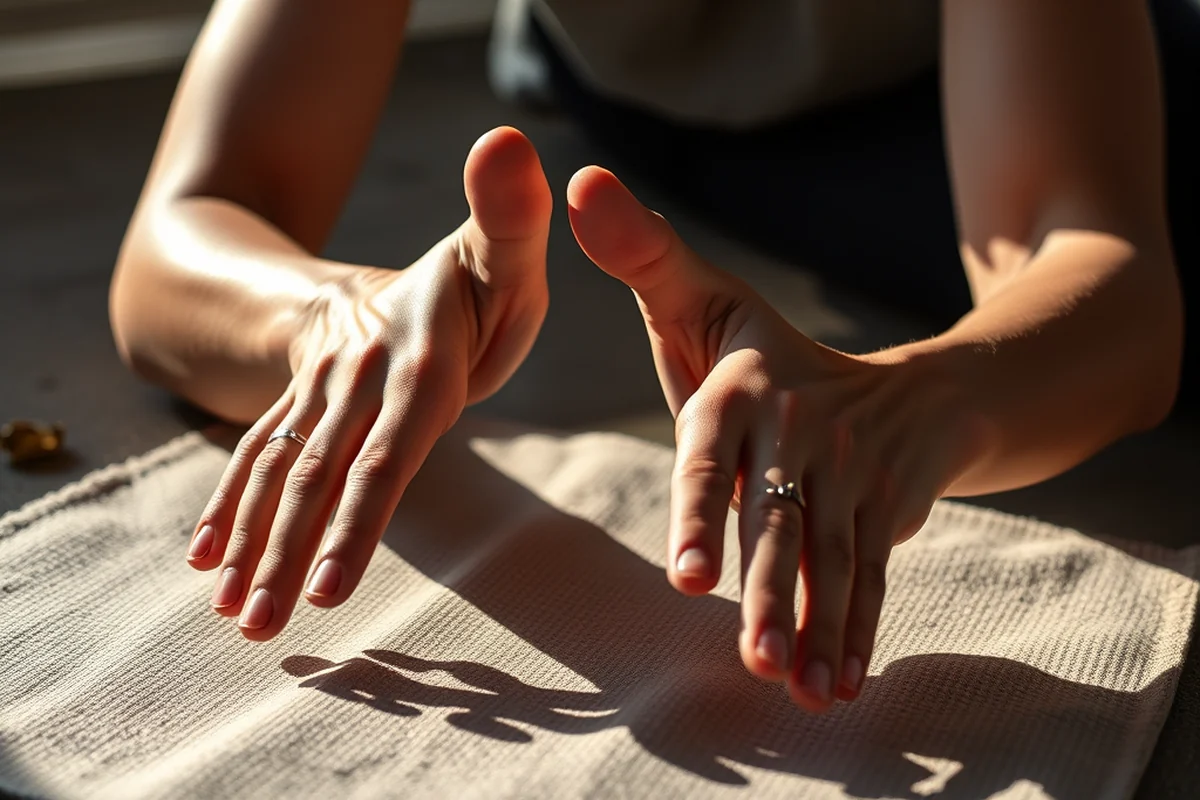
I used to think that standing for an hour at a time was the way to go, but that didn’t work for me. My back ached, and I often gave up. Then I tried breaking my time into 10-minute blocks, and I noticed that I could go for much longer without discomfort.
I used a kitchen timer to set each session. After 10 minutes, I’d sit for a minute and stretch, then stand again. This made the whole process feel more like a routine than a chore.
After two weeks, I was able to go for 25 minutes without discomfort. That was a real change, and it felt earned.
Small steps in the right direction compound into big results.
Related: Standing desk habits progress for beginners
Using a Standing Desk App Effectively
I tried a few apps, but most had too many features. I didn’t need a full health dashboard—I just needed to know how long I stood each day. The app I settled on had a simple interface with a timer, a log, and a progress chart.
I used it to set daily goals and tracked my performance over time. I could see trends—like how I stood longer on days when I was more active in the evening. It wasn’t perfect, but it helped keep me on track.
The app also sent me reminders to stand every two hours, which was a helpful nudge when I’d forgotten.
Look for apps with a timer, log, and chart—no extra features. Simplicity helps with habit formation.
“The first time I stood at my desk for more than an hour, I felt my legs burn like I'd just finished a sprint.”— Standhabit editors
Related: Standing desk habits progress examples
Tracking Standing Time with a Smart Watch
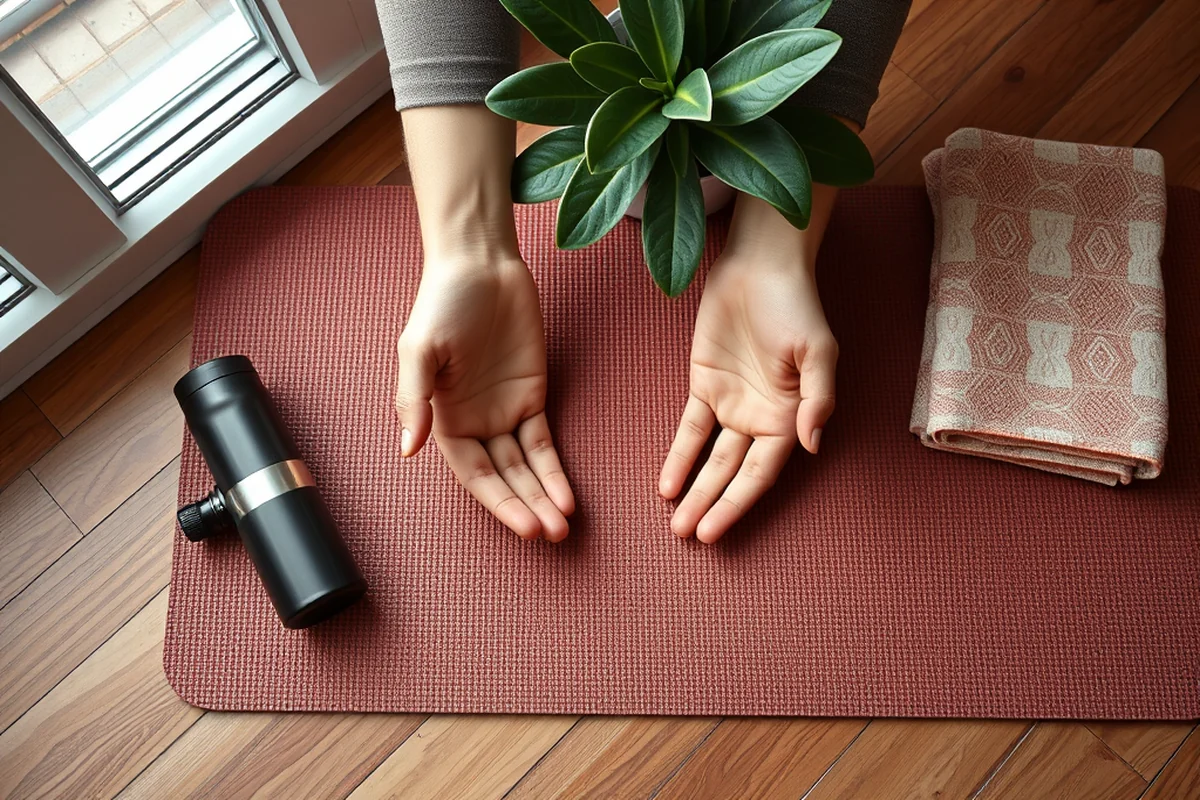
I’ve been using a smartwatch for a few months now, and it’s been a game-changer. It tracks how long I’m standing, sitting, and even moving. I can see how long I’ve been upright in real time, and it gives me gentle nudges when I’ve been sitting too long.
The data from the watch helps me see how my habits change over time. For example, I noticed that I stood more on days when I took the stairs instead of the elevator. It’s a subtle reminder of how lifestyle choices impact posture and movement.
I don’t rely on the watch alone, but it’s a useful tool to have. It’s like having a personal assistant that’s always watching out for my health.
Related: Standing desk habits tracking tips
Celebrating Small Wins with Progress Charts
I started making a simple chart in my notebook to track how many minutes I stood each day. It looked like a bar graph, and I colored in each day with a different color. It was basic, but it felt satisfying to see the progress accumulate.
I also used a digital chart from my standing desk app. It showed me my weekly average and how I was doing compared to the previous week. It wasn’t just numbers—it was a visual reminder of how far I’d come.
After a month, I could see that my average standing time had increased by about 15 minutes. That was a real win, and it gave me confidence to keep going.
⏱️ 5-Minute Standing Session
Quick bursts of standing help you build momentum without overwhelming your body.
🪑 Desk-Friendly Standing
Use your existing desk and a standing mat for minimal setup and maximum flexibility.
👣 Beginner’s Standing Routine
Start with short, manageable sessions and gradually increase your time as your body adapts.
📈 Progression Standing Plan
Increase your standing time by 5 minutes each week to build sustainable habits over time.
🔄 Maintenance Standing Plan
Once you’ve built a habit, keep it alive with consistent, low-effort sessions every day.
| The mistake | Why it happens | The fix |
|---|---|---|
| Tracking every single minute of standing time. | This can be overwhelming and lead to burnout. It’s important to focus on consistency, not perfection. | Track in 10-minute blocks. It’s easier to stay motivated and less likely to cause frustration. |
| Relying only on technology to track progress. | Tech can be helpful, but it shouldn’t be the only way you measure success. Human accountability is key. | Combine app tracking with a physical log or journal to stay grounded and motivated. |
| Ignoring signs of discomfort or fatigue. | Pushing through pain can lead to injury. It’s important to listen to your body and adjust your routine as needed. | If you feel pain or fatigue, sit down and take a break. Adjust your standing time and posture until you’re comfortable. |
| Not adjusting your standing routine as your habits change. | Tracking should help you improve over time, not just stay the same. A stagnant routine can lead to plateaus and burnout. | Review your progress weekly and adjust your goals or routine as needed to keep things challenging and rewarding. |
Related: What is under desk treadmill
Standing Desk Habits Progress Tracking For Beginners
Related: Background for a pc
The Impact of Social Accountability on Standing Desk Habits
When I first started tracking my standing habits, I struggled with consistency. I would often forget to stand during the day or fall back into prolonged sitting. That changed when I joined a small group of like-minded individuals who were also working on improving their posture and movement. We committed to sharing our progress daily in a private online group and encouraged one another to meet specific standing goals. This sense of social accountability made a significant difference in my motivation and success rate.
I set a personal goal of standing for at least 2 hours a day, and my group members would check in with me every few hours. If I missed a session, they’d send a gentle reminder, and if I exceeded my goal, they’d congratulate me. The support and encouragement made it easier to stay on track, even on days when I felt less motivated. I also noticed that the competition was friendly and constructive—knowing others were tracking their own goals pushed me to improve mine.
This experience taught me that social accountability can be a powerful tool for habit formation. I’ve since recommended this approach to others, and many have found similar success. Whether it’s a friend, a coworker, or an online community, having someone to share your journey with can provide the support, motivation, and feedback needed to sustain your standing desk habits over time. It’s not just about tracking progress—it’s about building a support system that keeps you moving forward.
The Role of Ergonomic Accessories in Sustaining Standing Habits
Ergonomic accessories can make a significant difference in how comfortably and consistently you can maintain your standing desk habits.
When I first started using a standing desk, I underestimated how quickly my feet would fatigue and how uncomfortable it would be to stand for long periods. After a few days of discomfort, I invested in a high-quality anti-fatigue mat, which immediately changed my experience. The mat provided cushioning and support that kept my legs from aching, making it easier to stay upright for longer periods. I noticed my posture improved too, as the mat subtly encouraged me to shift my weight and avoid standing in one spot for too long.
In addition to the mat, I added a monitor stand that elevated my screen to eye level, which helped reduce neck strain. This small change made a big difference in how long I could work without feeling fatigued. I also purchased a pair of supportive shoes with good arches and cushioning, which made standing for hours feel less like a punishment and more like a routine. These accessories didn’t just make standing more comfortable—they helped me stick to my standing goals without feeling like I was constantly fighting my body.
Now, my standing desk setup feels like a second home. Each accessory plays a role in keeping me motivated and focused on my health goals. I no longer view standing as a chore, but rather as a part of my daily self-care routine. These ergonomic tools have become essential in helping me maintain consistency and avoid burnout as I build my standing habits over time.
Common Questions
Do I need a special standing desk to track my habits?
How long should I stand each day as a beginner?
What if I don’t have a smartwatch or app to track my time?
Can I still sit while tracking my standing habits?
References
- Standing Desk Time Tracker - Excel Template (sites.wp.odu.edu)
Cite this guide
Standhabit (2026). Standing Desk Habits Progress Tracking For Beginners. https://standhabit.com/standing-desk-habits-progress-tracking-for-beginners/
Feel free to cite or share this guide.
Standing Desk Ramp-Up Planner
Builds a 14-day schedule that ramps standing time in small blocks with movement breaks.
Open it free →