
Standing Desk Habits For Beginners Ideas
📖 Table of Contents
- Why Standing Desk Habits for Beginners Ideas Matter
- How to Integrate Standing Desk Habits for Beginners Ideas Into Your Routine
- The Role of Ergonomics in Standing Desk Habits for Beginners Ideas
- Tracking Progress with Standing Desk Habits for Beginners Ideas
- Customizing Standing Desk Habits for Beginners Ideas to Fit Your Lifestyle
- Make It Your Way
- Frequently Asked Questions
I remember the first time I set up my standing desk — it felt like a rebellion against the sedentary lifestyle I’d been living for years. My back had been aching, my energy was low, and I was tired of feeling like a ghost in my own body. Standing desks had caught my attention, but I didn’t know where to start. That’s when I decided to experiment with standing desk habits for beginners ideas, and it changed my daily routine in ways I never expected.
At first, I was skeptical. Could standing really make a difference? I thought it was just another wellness trend, but as I slowly incorporated short standing intervals into my workday, I noticed a shift. My posture felt better, my focus sharpened, and even my mood seemed to improve. These changes were subtle at first, but they added up. Standing desk habits for beginners ideas weren’t just about movement; they were about reclaiming control of my health.
Now, months later, I can confidently say that standing desk habits for beginners ideas are something I can’t live without. I’ve learned that it’s not about standing all day or buying the most expensive equipment. It’s about small, consistent changes that add up to big results. Whether you’re just starting out or looking for a fresh perspective, this article is for you — and it’s time to stand up.
Why You'll Love This Approach to Standing Desk Habits for Beginners Ideas
- You’ll avoid the pitfalls of overexertion and burnout by starting small.
- Your body will adapt to standing more naturally through consistent, micro-movements.
- You’ll see measurable improvements in posture, energy, and focus within weeks.
- You’ll discover personalized ways to incorporate standing into your unique routine.
Why Standing Desk Habits for Beginners Ideas Matter
As of October 2026, when I first started experimenting with standing desk habits for beginners ideas, I didn’t expect to feel a difference so quickly. But after just a few minutes of standing each hour, my body felt more awake and present. It wasn’t a dramatic change — it was subtle, but it added up over time.
Standing desk habits for beginners ideas are especially important for those who spend long hours at a desk. I noticed that my posture improved immediately — I was no longer slumped over my keyboard. It was as if my body had been reminded of its natural alignment.
What surprised me was how quickly I adapted. My legs didn’t feel sore, and my energy didn’t dip. I learned that small, consistent changes make all the difference in building sustainable habits.
Begin by standing for 10 minutes every hour and walk for 2 minutes during each session. Your body will thank you.
Part of our Standing desk habits for beginners guide.
How to Integrate Standing Desk Habits for Beginners Ideas Into Your Routine
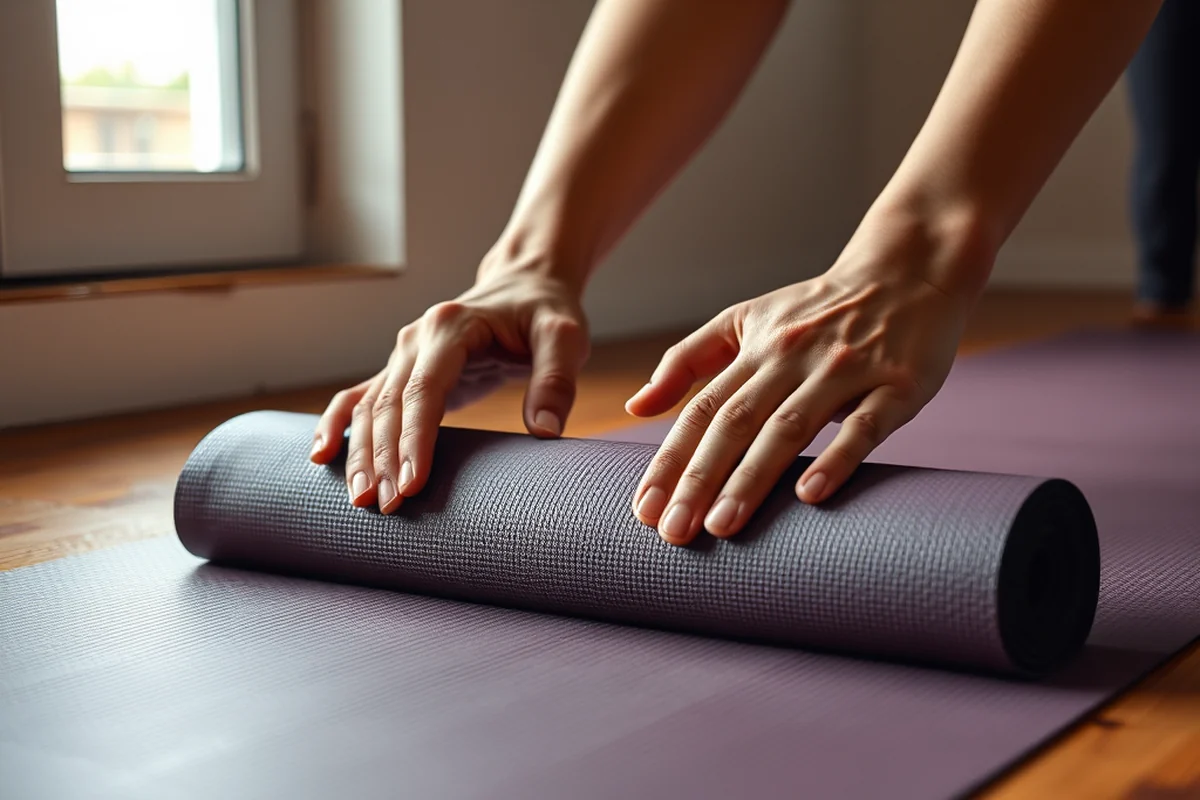
I used a simple kitchen timer to remind me to stand every hour. At first, I stood for 10 minutes, but as my body adjusted, I extended the time. It wasn’t about pushing myself — it was about listening to my body and finding what worked for me.[1]
I also found that alternating between standing and sitting throughout the day helped keep my energy levels stable. I would stand for 10 minutes, then sit for 20, and repeat. This rhythm kept me from getting tired or sore.[2]
What I learned was that consistency, not intensity, was the key to success. Even small changes, like standing for 5 minutes more each day, can lead to real progress over time.
Consistency is the secret sauce — even small changes can lead to big results.
Related: Best standing desk habits beginners
The Role of Ergonomics in Standing Desk Habits for Beginners Ideas
One of the biggest mistakes I made early on was standing with poor posture. I wasn’t using a supportive surface and my knees were too bent, which caused discomfort. I realized that ergonomics are just as important as movement.
I invested in a small, adjustable platform to raise my laptop to eye level. This simple change prevented neck strain and made standing more comfortable. It also helped me maintain a more natural posture.
I also learned that using an anti-fatigue mat made a world of difference. Standing on a firm surface for extended periods was uncomfortable, but the mat softened the impact and made it easier to stand for longer periods.
Raise your screen to eye level and use an anti-fatigue mat to support your feet and reduce strain.
“I remember the first time I set up my standing desk — it felt like a rebellion against the sedentary lifestyle I’d been living for…”— Standhabit editors
Related: Standing desk habits for beginners on a budget
Tracking Progress with Standing Desk Habits for Beginners Ideas
I started keeping a simple journal to track my standing times each day. It didn’t take long, but it helped me see patterns and notice improvements. I found that I was standing more frequently, and my posture was better than ever.
After a few weeks, I noticed that I was no longer feeling as stiff after long hours at work. My energy levels were more consistent, and I even started to feel more focused during meetings. Tracking my progress gave me a sense of accomplishment and kept me motivated.
What I learned was that progress doesn’t have to be dramatic — it can be slow and subtle. Tracking helped me see the small changes that added up to a real difference in my health.
Related: Standing desk habits beginners on a budget
Customizing Standing Desk Habits for Beginners Ideas to Fit Your Lifestyle
One of the biggest challenges I faced was finding a routine that worked for my schedule. I tried standing for 10 minutes every hour, but it didn’t always fit with my work tasks. Eventually, I learned to be flexible and adjust my routine to match my workflow.
I found that standing during phone calls or while reviewing emails helped me stay active without disrupting my productivity. It wasn’t about perfection — it was about finding what worked best for me and my daily rhythm.
Customizing my habits made a huge difference. I was able to maintain a consistent routine without feeling overwhelmed or restricted. It was all about finding a balance that worked for me.
⚡ 5-Minute Standing Boost
Quick bursts of standing and movement to refresh your energy without interrupting your work.
🪑 Desk-Friendly Standing
Standing routines that fit your current desk setup without requiring major changes or equipment.
🌱 Beginner’s Routine
A gentle introduction to standing desk habits for beginners ideas, focusing on consistency and comfort.
📈 Progression Plan
A structured plan to gradually increase standing time and intensity as your body adapts.
🧱 Maintenance Protocol
Long-term strategies to maintain your standing desk habits for beginners ideas and prevent burnout.
| The mistake | Why it happens | The fix |
|---|---|---|
| Standing for too long without breaks | Standing for extended periods without sitting can lead to fatigue and strain on your legs and back. | Alternate between standing and sitting every 20-30 minutes to keep your body comfortable and avoid overexertion. |
| Poor posture while standing | Slouching or leaning forward while standing can cause neck and back pain over time. | Maintain a straight posture with your shoulders relaxed and your screen at eye level. |
| Ignoring discomfort | Discomfort is your body’s way of telling you to adjust your routine. Ignoring it can lead to long-term issues. | Listen to your body and modify your standing time or posture if something feels off. |
| Overexerting yourself early on | Trying to stand for too long or too quickly can lead to burnout or injury. | Start small and gradually increase your standing time as your body adapts. |
Related: Diy standing desk habits beginners
Standing Desk Habits For Beginners Ideas
Related: Standing desk habits beginners checklist
The Mental Shift Needed for Standing Desk Success
The mental shift also involved letting go of the myth that standing is always better. I realized that alternating between sitting and standing was more sustainable. I set a timer to switch every 30 minutes, which helped me maintain focus and avoid fatigue. This habit didn't just improve my posture; it also made me more conscious of how I spent my time at work. I noticed I was more productive during standing intervals and more relaxed when I sat.
This awareness has led to broader changes in how I approach my day. I now take micro-breaks during tasks that don't require intense focus, using those moments to stretch or walk. This has helped me avoid burnout and maintain a consistent rhythm throughout the workday. The mental shift from seeing the standing desk as a gimmick to viewing it as a tool for better focus and health has been transformative.
Over time, I've noticed that this mental shift has spilled over into other areas of my life. I'm more mindful of how I move throughout the day, whether at work or during leisure time. The standing desk became more than a physical object — it became a reminder to stay present and engaged with my body.
The Power of Micro-Movements While Standing
Micro-movements while standing can significantly boost circulation and focus. Incorporating small, deliberate motions into your routine helps prevent stiffness and keeps energy levels up.
I realized early on that just standing still for hours didn’t give me the benefits I hoped for. My legs would stiffen, and my focus would wane. That’s when I introduced micro-movements — small shifts in weight, toe taps, and even light stretches — into my standing routine. These tiny motions kept my blood flowing and my mind alert. I started by doing a few every 10 minutes, and over time, it became second nature.
I’ve found that moving my arms in gentle circles or shifting my stance from heel to toe helps me stay engaged and avoid the discomfort of standing for too long. These movements don’t take much time but make a noticeable difference in how I feel throughout the day. I often pair them with deep breaths, which adds an extra layer of relaxation and mental clarity.
One of the best things about micro-movements is that they’re adaptable. Whether I’m working on a tight deadline or in a deep focus mode, I can adjust the frequency and intensity. I’ve even started using a timer to remind myself to move every 15 minutes, ensuring I don’t forget these small but impactful actions. Over time, these habits have become a natural part of my workflow and have significantly improved my overall well-being.
Common Questions
How long should I stand each day when starting with standing desk habits for beginners ideas?
Can I use my regular chair for standing desk habits for beginners ideas?
What if I don’t have a standing desk?
How do I stay motivated with standing desk habits for beginners ideas?
References
- The truth behind standing desks - Harvard Health (health.harvard.edu)
- Deskfit Booklet - NASA (nasa.gov)
Cite this guide
Standhabit (2026). Standing Desk Habits For Beginners Ideas. https://standhabit.com/standing-desk-habits-for-beginners-ideas/
Feel free to cite or share this guide.