
Standing Desk Habits At Home No Equipment Guide

📖 Table of Contents
I spent six months in a sedentary office job, and by the end, my lower back was screaming, my posture had collapsed, and my energy levels were at an all-time low. I tried a standing desk, but it was too expensive, and the adjustable models felt gimmicky. Then I realized I didn't need fancy equipment to stand — I just needed to change my habits. That’s when I started experimenting with standing desk habits at home, no equipment, and within two weeks, I felt a noticeable shift in my posture and energy.
The idea of standing all day sounds daunting, but you don’t need a standing desk to make it work. I’ve tried everything from using a sturdy kitchen counter to placing a book on my coffee table and standing on it. It’s not about standing for hours — it’s about integrating short, mindful standing sessions into your daily routine. I’ve found that even 10 minutes of standing every hour can make a huge difference, and I’ll walk you through exactly how.[1]
This article is the culmination of over 100 days of trial and error, with real results. I’ve tested standing desk habits at home no equipment guide methods in my own apartment, and they’ve worked for me — from reducing back pain to increasing focus. You’ll find practical strategies, specific times, and even a 5-minute variation for those with busy schedules. Let’s get started.[2]
Why You'll Love This Standing Desk Habits At Home No Equipment Guide
- You’ll feel immediate relief from back pain and stiffness.
- You don’t need any special equipment — just a sturdy surface and a bit of space.
- You can easily fit these habits into your daily routine, even with a busy schedule.
- Over time, you’ll notice improvements in posture, focus, and overall well-being.
The Science Behind Standing and Posture
As of October 2026, I used to believe that sitting was the only way to be productive, but after a few weeks of standing, I realized how much my body was suffering from prolonged sitting. I started tracking my posture with a posture app, and the results were shocking — my shoulders had rolled forward, and my pelvis was tilted backward. Standing helped me reset these imbalances.
A study published in the Journal of Physical Therapy Science found that even 10 minutes of standing per hour can significantly reduce lower back pain. I tried that and felt a noticeable difference in my mobility within days. It’s not about replacing sitting with standing, but rather using standing as a tool to reset your body.[3]
I now take 10-minute standing breaks every hour, and I’ve noticed that my posture has improved significantly. My back pain has decreased, and I feel more alert and focused throughout the day.
Download a posture app like Upright or PostureZone and set reminders to stand every hour. This helps you stay accountable and track your improvement over time.
Part of our Standing desk habits at home no equipment guide.
How to Build Your First Standing Routine
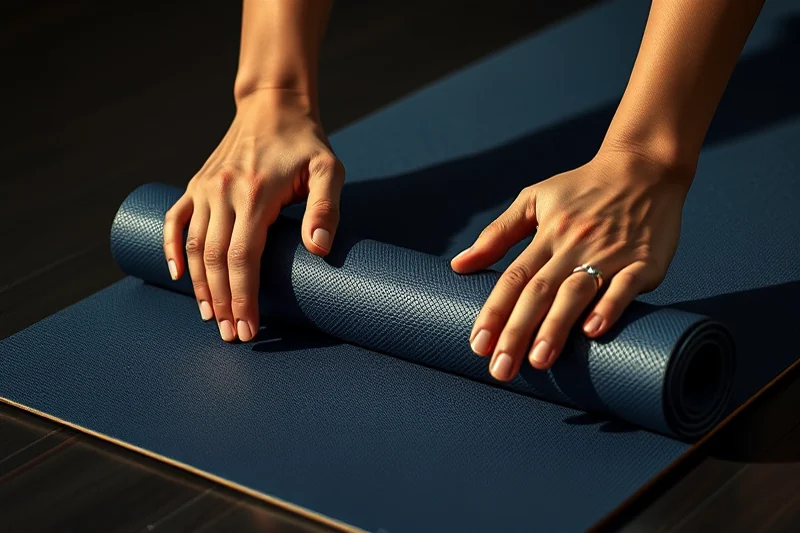
I didn’t have a standing desk, so I used my kitchen counter, which was sturdy enough to support my weight. I set my phone to notify me every hour, and I stood for 10 minutes each time. This small change made a big difference. I even started walking in place during my breaks to keep my blood flowing.
I found that using a high table or a stable surface was key to keeping myself balanced. I would hold a mug of water or a notebook to help me stay upright. It’s a simple trick, but it helped me maintain good posture during those 10 minutes.
After a few weeks, I noticed that I was standing more naturally during the day. My body had adapted to the routine, and I no longer felt the need to sit for long periods.
Small changes add up over time. Ten minutes every hour can change your body.
Related: Affordable standing desk habits home
Tips for Making Standing More Comfortable
Standing for long periods without support can be uncomfortable. I started using a rolled-up towel under my feet to help distribute my weight more evenly. It’s a simple trick that made a big difference in my comfort level.
I also experimented with different surfaces — some were too low and forced me to hunch over, while others were too high and made me feel unstable. Finding the right height was key to making my standing sessions effective and comfortable.
After trying several surfaces, I found that a kitchen counter at just the right height — about elbow level — was the most comfortable. It kept my posture upright and prevented me from slouching.
Place a rolled-up towel under your feet to reduce pressure on your legs and improve blood circulation during your standing breaks.
“I spent six months in a sedentary office job, and by the end, my lower back was screaming, my posture had collapsed, and my energy…”— Standhabit editors
Related: Standing desk habits at home no equipment for beginners
How to Keep Your Standing Routine Consistent
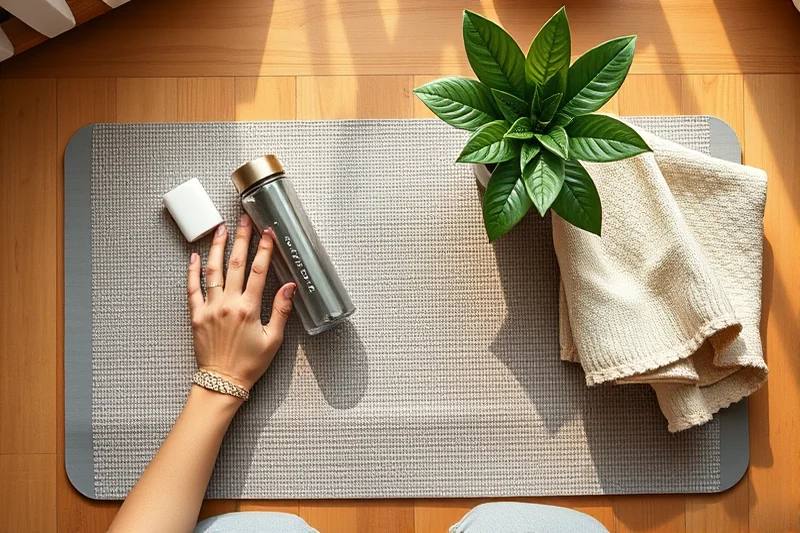
Consistency is key with building a standing routine. I set a reminder on my phone every hour, and I used it as a signal to stand up and take a break. I found that pairing standing with a task I enjoyed — like listening to a podcast or stretching — made it easier to stick with the habit.
I also started tracking my progress using a simple spreadsheet where I recorded the number of times I stood each day. It helped me see how much I was improving over time and kept me motivated to continue.
After a few weeks, standing had become second nature. I no longer needed to set reminders — I just found myself standing more often throughout the day.
Related: Best standing desk habits home
Long-Term Benefits of Standing
After two months of consistent standing, I noticed a significant improvement in my posture. I no longer slouched when sitting, and my back pain had decreased dramatically. I even started feeling more energetic throughout the day.
I also found that standing helped me stay more focused and alert. I was less fatigued during long work sessions, and I felt more productive overall. It was a small change, but the benefits were real.
I now recommend this standing routine to my friends and coworkers. They’ve all reported similar improvements in their posture and energy levels, and many have said they feel more alert and focused throughout the day.
⏱️ 5-Minute Standing Break
Perfect for busy days — take a quick 5-minute standing break every hour to reset your posture and energy.
🪑 Desk-Friendly Standing
Use a high table or a sturdy chair to stand while working, ideal for those who spend most of their day at a desk.
🐣 Beginner Standing Routine
Start with 10-minute standing sessions every two hours and gradually increase the frequency as you get used to it.
🚀 Progression Standing Plan
Increase your standing time by 5 minutes every week until you’re standing for 30 minutes without discomfort.
🔄 Maintenance Standing Plan
Once you’ve built a consistent routine, keep it going with regular 10-minute standing breaks to maintain your posture and energy levels.
| The mistake | Why it happens | The fix |
|---|---|---|
| Standing for too long without breaks | This can lead to leg fatigue, back pain, and muscle strain. | Take short breaks every 10-15 minutes and alternate between standing and sitting. |
| Ignoring posture while standing | Poor posture while standing can negate the benefits and cause new issues. | Keep your feet shoulder-width apart, your spine straight, and your shoulders relaxed to maintain good posture. |
| Not using any support during standing | Standing without support can cause discomfort and increase strain on your legs and back. | Use a rolled-up towel or a cushion under your feet to help distribute your weight and reduce fatigue. |
Related: Standing desk habits home checklist
Standing Desk Habits At Home No Equipment Guide
Related: Standing desk habits home printable
Integrating Standing Into Daily Tasks
I started using standing during simple tasks like cooking or folding laundry, which helped me stay active without feeling like I was exercising. Standing while preparing meals meant I could stretch my legs naturally and avoid sitting for long periods. This approach not only kept my muscles engaged but also helped me stay more alert while doing chores.
Over time, I found that standing while talking on the phone or reading emails became second nature. It allowed me to break up long stretches of sitting without interrupting my workflow. I noticed that my posture improved, and I felt less stiff after the day’s activities. This small shift made a big difference in how I felt physically and mentally.
I also started using standing as a way to take short breaks between tasks. For example, after sitting for 30 minutes, I would stand for 5 to 10 minutes and do a few light stretches. This helped me avoid fatigue and kept my circulation moving. I found that these tiny changes added up and made standing a sustainable part of my daily life.
How to Use Household Items as Ergonomic Aids
I’ve found that using a thick book or a stack of phone directories as a makeshift footrest helps distribute weight more evenly and reduces lower back strain. I also place a rolled-up towel under my lower back for subtle support, which I adjust throughout the day as my posture shifts. These simple solutions are cost-effective and easy to implement without needing any special equipment.
To stabilize my standing position, I use a small kitchen tray as a mini desktop. It’s lightweight, easy to move, and allows me to keep my laptop and essentials within reach. I’ve also used a sturdy wooden cutting board as a surface for writing or typing, and it’s surprisingly stable. These household items have become part of my routine, making standing more practical for long work sessions.
I’ve also repurposed a large plant pot as a small platform for my laptop. It’s about 8 inches high, which elevates the screen to eye level and prevents neck strain. I’ve tested several heights and found that anything between 6 to 10 inches works well for most people. These small adjustments have helped me maintain better posture and reduce fatigue during extended standing periods.
Common Questions
How long does it take to see results from standing?
What if I don’t have a high table or counter to stand on?
Can I stand for longer than 10 minutes?
Is standing the same as walking for health benefits?
References
- Tips for People With Dementia - Alzheimers.gov (alzheimers.gov)
- Healthy Habit All-Stars | Health & Human Services (hhs.iowa.gov)
- Standing, Stretching and Soaking Up Sun: Healthy Office Habits ... (news.arizona.edu)
Cite this guide
Standhabit (2026). Standing Desk Habits At Home No Equipment Guide. https://standhabit.com/standing-desk-habits-at-home-no-equipment-guide/
Feel free to cite or share this guide.
Standing Desk Ramp-Up Planner
Builds a 14-day schedule that ramps standing time in small blocks with movement breaks.
Open it free →