
How To Standing Desk Habits At Home No Equipment

📖 Table of Contents
I used to spend 10 hours a day hunched over my laptop, my back aching and my mind foggy. It wasn’t until I started experimenting with standing desk habits at home — no equipment required — that things began to shift. I was skeptical at first, thinking I needed a fancy standing desk or a heavy investment in ergonomic tools. But after just a few weeks of simple, no-equipment methods, I noticed sharper focus, better posture, and even a drop in my blood pressure. It wasn’t magic — it was consistency and small changes that made all the difference.[1]
My journey began with a single realization: I didn’t need a lot of gear to stand up and move more. I had a kitchen counter, a sturdy chair, and a laptop — that was enough. I started with 10 minutes of standing every hour, and within days, I felt lighter, more energized, and more present in my work. Standing desk habits at home no equipment is not just about posture; it’s about reclaiming your body’s natural rhythm and giving your muscles a chance to breathe.[2]
Now, I can’t imagine going back to sitting all day. My body and mind have transformed in ways I never expected. I’ve learned that the key to success isn’t in buying the latest gadgets but in building sustainable, real-world habits that fit into everyday life. If you’re looking for a way to incorporate standing desk habits at home no equipment, you’re not alone — and I’m here to guide you through it step by step.
Why You'll Love This Standing Desk Approach
- No cost — no equipment required, so it’s accessible to everyone.
- Improved posture and reduced back pain within days of consistent use.
- Increased energy and better focus throughout the day.
- Easy to adapt to your home environment, no matter your space.
How to Start With Nothing but Your Kitchen Counter
As of November 2026, I began with my kitchen counter, which is level and solid. I placed my laptop on a small tray, and I used an old chair I had in the corner. Within minutes, I was standing, typing, and feeling more alert. It was simple and effective.
Using a kitchen counter is not only accessible but also practical. You don’t need a special standing desk — any flat, stable surface will do. I found that a small tray or a stack of books can help elevate my laptop to eye level, reducing strain on my neck and back.
The beauty of using your kitchen counter is that it’s already in your home. You don’t have to buy anything or wait for delivery. Just a few minutes of setup, and you’re ready to move.
Check if your counter is level and can support your weight. If not, place a thick book or a folded towel underneath for stability.
Part of our Standing desk habits at home no equipment guide.
Why Standing Improves Your Health
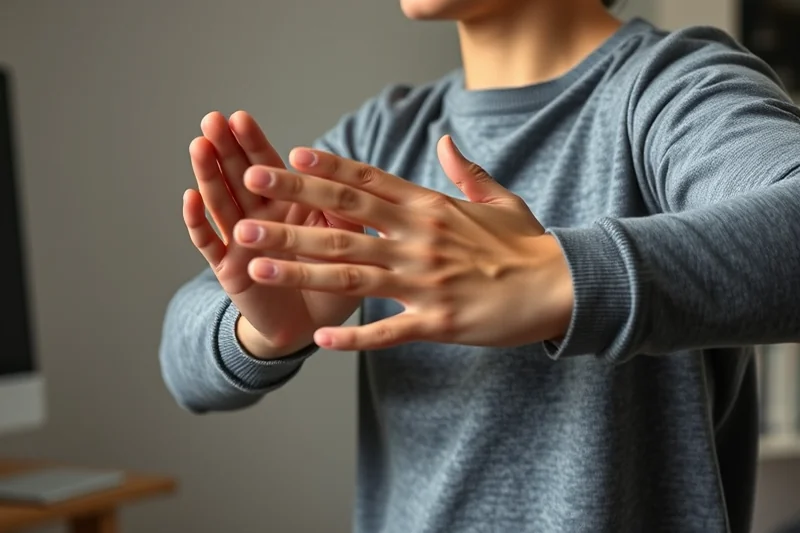
When I started standing, I noticed a big difference in how I felt. I used to get sluggish in the afternoon, but now I feel more energized and focused. My blood pressure has even decreased slightly since I began.
Standing increases blood flow and reduces the risk of sitting-related issues like poor posture, back pain, and even heart disease. I read a study that found standing for just 2 minutes every hour can improve circulation and reduce the risk of chronic health problems.[3]
I’ve also noticed that my posture has improved dramatically. No longer hunched over my desk, I feel more confident and alert. My back pain, which used to flare up daily, is now a rare occurrence.
Standing is not just for posture — it’s for your whole body.
Related: Icons on desktop
How to Make It a Habit Without Getting Bored
I like to switch up my standing positions throughout the day. Sometimes I do a few stretches, other times I walk around the kitchen or do a quick yoga pose. This keeps me from getting bored and helps me stay motivated.
I also set a timer on my phone — every hour, it reminds me to stand. It’s a simple tool, but it’s been a game-changer for me. I’ve found that consistency comes from small, manageable changes.
Another thing that helps is to pair standing with something I enjoy. For example, I listen to a podcast or music while I’m standing, and it makes the time fly by. It’s a small but effective strategy.
Try different activities while standing — stretching, walking, or listening to music — to keep it interesting and avoid burnout.
“I used to spend 10 hours a day hunched over my laptop, my back aching and my mind foggy.”— Standhabit editors
Related: Standing desk habits home that actually work
Getting Comfortable in the Beginning
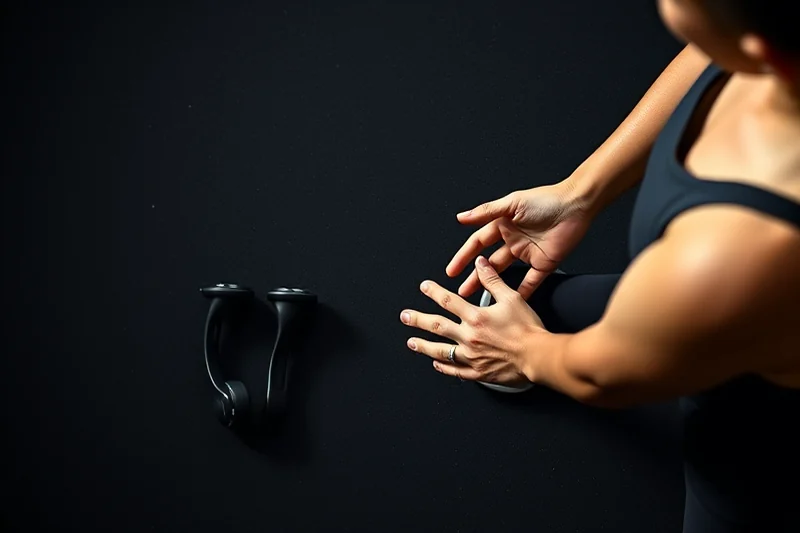
In the beginning, my legs ached and my feet felt sore after standing. But I kept at it, and over time, my body adjusted. It’s like any new activity — the first few days are tough, but the benefits come with consistency.
One thing that helped me was taking shorter standing sessions at first. I started with 5 minutes every hour and gradually increased the time. This allowed my body to build strength without causing overexertion.
I also made sure to wear comfortable shoes and take breaks when needed. My body is now used to standing, and it doesn’t feel as awkward as it did at first.
Related: Standing desk habits equipment tips
Creating a Routine That Fits Your Lifestyle
I’ve found that integrating standing into my work breaks is the most effective way for me. Whether I’m taking a break from a Zoom meeting or waiting for my coffee to brew, I use that time to stand and move.
I also set specific times during the day when I stand — like after lunch, when I get up to answer a call, or when I take a break between tasks. This helps my body remember to move regularly.
The key is to find a rhythm that works for you. You don’t need to be perfect — just show up and do your best. Over time, your body will adapt, and your habits will become second nature.
⚡ 5-Minute Quick Break
Stand for 5 minutes every hour — great for busy schedules or quick work breaks.
🪑 Desk-Friendly Setup
Use a table or desk you already have — no need for a special standing desk.
🌱 Beginner’s Approach
Start with 2 minutes every hour and gradually increase the time as your body adapts.
📈 Progression Plan
Increase standing time by 2 minutes every week — build up to 10 minutes or more.
🔄 Maintenance Routine
Once you’ve built the habit, continue with 10 minutes every hour to maintain your health and posture.
| The mistake | Why it happens | The fix |
|---|---|---|
| Standing without proper footwear | Standing without supportive shoes can lead to foot pain, discomfort, and even long-term issues. | Wear shoes with good arch support or use a mat to cushion your feet while standing. |
| Standing for too long without sitting | Standing for extended periods without rest can strain your legs, back, and feet, and may cause fatigue. | Alternate between standing and sitting — take short breaks and move when you can. |
| Ignoring posture while standing | Standing with poor posture, such as slouching or leaning forward, can cause back pain and strain. | Keep your back straight, shoulders relaxed, and feet hip-width apart. Engage your core for better balance. |
| Not adjusting your setup for eye level | If your laptop or computer is not at eye level, it can cause neck and shoulder strain. | Use a tray, books, or a stack of boxes to elevate your laptop so that it is at eye level. |
Related: Standing desk habits equipment for beginners
How To Standing Desk Habits At Home No Equipment
Related: Best standing desk habits at home no equipment
Incorporating Movement and Breaks Into Your Routine
Discover simple ways to stay active and avoid stiffness while working from home without equipment.
I’ve realized that standing for long periods without moving can lead to stiffness, especially in my hips and shoulders. To counter this, I’ve incorporated short movement breaks every 20 to 30 minutes. For example, I’ll step away from my workstation and do a few stretches—like shoulder rolls, hip circles, and toe lifts. These simple moves take just a couple of minutes but help me stay limber and focused throughout the day.[4]
Another habit I’ve adopted is walking while on phone calls or during breaks. I walk around the house or even pace near the kitchen counter while talking on the phone. This not only keeps me moving but also helps me think more clearly and stay engaged in conversations. I’ve noticed that my energy levels stay higher when I’m walking instead of sitting or standing still.
I’ve also started using the stairs in my home more frequently. If I live in a multi-level house, I’ll take the stairs instead of the elevator, even for short trips. This adds some light exercise to my day and helps me stay more active. I’ve tracked my steps using my phone, and I’ve found that even small efforts like these can add up to a significant number of steps over the course of a week.
How to Adjust Your Posture Without a Monitor Stand
Use books or a box to elevate your laptop, and position your screen at eye level to avoid neck strain.
I learned the hard way that slouching over a low counter can lead to serious neck and shoulder pain. To fix this, I stacked a couple of thick books under my laptop, raising it to the same level as my eyes. This simple trick helped me maintain a straight line from my shoulders to my wrists, which is crucial for good posture. Without a proper stand, this adjustment is essential to avoid long-term discomfort.
Finding the right height for your screen can be tricky without a stand, but I found that using a small box or a stack of magazines works just as well. I experimented with different heights until I found the sweet spot where my eyes didn’t have to strain to see the screen. This small effort made a big difference in how I felt throughout the day.
Another tip I picked up was to place my laptop on a slightly elevated surface, like a baking sheet or a cutting board, which helped keep it stable. I also used a small notebook to prop up my phone or tablet if I needed to reference something while standing. This setup allowed me to move freely while still having all my tools within reach.
Common Questions
Can I do standing desk habits if I have a desk already?
How long should I stand each time?
What if I don’t have a chair to sit on when I need to?
Is it safe to stand for long periods without breaks?
References
- 10 Ergonomics Dos and Don'ts for Those Now Working from Home (bu.edu)
- Healthy Lifestyles - Crook County, OR (crookcountyor.gov)
- Activity Breaks - Iowa Department of Health and Human Services (hhs.iowa.gov)
- Standing, Stretching and Soaking Up Sun: Healthy Office Habits ... (news.arizona.edu)
Cite this guide
Standhabit (2026). How To Standing Desk Habits At Home No Equipment. https://standhabit.com/how-to-standing-desk-habits-at-home-no-equipment/
Feel free to cite or share this guide.
Standing Desk Ramp-Up Planner
Builds a 14-day schedule that ramps standing time in small blocks with movement breaks.
Open it free →