
DIY Standing Desk Habits At Home No Equipment

📖 Table of Contents
I used to sit for 12 hours a day, hunched over a laptop, and by the end of each workday, my lower back felt like it had been run over by a truck. I finally decided to make a change when I noticed my posture had gotten so bad that my neck tilted forward like a broken toy. That’s when I started experimenting with standing desk habits at home without any equipment — and it changed the way I feel about my body and my energy levels.
The idea of a standing desk always felt out of reach for me. I thought I needed a fancy adjustable base or a massive desk with wheels. But then I realized I could use what I already had: a small kitchen counter, a rolled-up towel, and a footstool from the living room. I tried standing for 10 minutes one afternoon, and by the end of that session, my shoulders felt lighter, and I noticed a subtle shift in my posture. I was hooked.[1]
Now, over a year later, I’ve made standing a regular part of my routine. I’ve discovered that even small, consistent changes — like standing for 5 minutes every hour — can make a real difference. I no longer feel the same stiffness or fatigue that used to plague me. If you’re looking for a way to improve your health and posture without spending a fortune or buying any gear, this is for you. DIY standing desk habits at home no equipment can be a game-changer.
Why You'll Love This DIY Standing Desk Approach
- You don’t need any equipment — just your creativity and a few household items.
- It’s easy to start with just 5 minutes a day and scale up as you get comfortable.
- It can improve your posture, reduce back pain, and increase your energy levels.
- It’s incredibly affordable and sustainable — no need to buy expensive furniture.
How I Started with No Equipment
As of November 2026, the first time I stood to work, I used the edge of my kitchen counter as my makeshift standing desk. I placed my laptop on a stack of books and a rolled-up towel under my feet for support. It was simple, but it worked. I noticed that my posture automatically shifted — my shoulders relaxed, and my core engaged as I stood.
I started with just 5 minutes of standing every hour, alternating with 5 minutes of sitting. It didn’t feel forced, and I didn’t feel the need to overdo it. Over time, I found that my body was more comfortable standing than I expected. I even began to notice that I had more energy throughout the day.
It took me about two weeks to feel the real change. My back pain was less frequent, and I felt more alert. I didn’t need any special tools or equipment — just a little creativity and the willingness to try something new.
If you don’t have a footrest, use a small stool or chair. Place your feet on it so that your knees are slightly lower than your hips for better posture.
Part of our Standing desk habits at home no equipment guide.
The Science Behind Standing and Posture

Studies show that sitting for long periods puts about 40% more pressure on the lower back than standing. When I started standing, I noticed that my lower back no longer felt like it was being crushed by invisible weights.
Standing also activates the core muscles, which help support the spine and improve overall posture. Over time, my shoulders stopped slouching, and I felt more upright throughout the day.
One of the most surprising benefits was that I felt more alert. Standing increases blood flow to the brain, and I found that I was more focused and productive when working while standing.
Standing changes the way your body feels — it's not just a temporary fix, it's a habit that reshapes your posture over time.
Related: What is pc or desktop
Creating a Standing Routine That Works for You
I began with 10-minute sessions every hour, but I quickly realized that wasn’t sustainable. I found that 5 minutes of standing every 30 minutes was more manageable and didn’t lead to fatigue.
I also experimented with different times of day. I found that standing in the morning helped me wake up more easily, while standing in the afternoon kept me energized during the day. It became a part of my daily rhythm.
The key is to find a balance that works for you. I now use a combination of standing and sitting, using a rolled-up towel or a small stool as a footrest. It’s simple, effective, and doesn’t require any equipment.
Every 20 minutes, stand for 20 seconds. This micro-break helps maintain posture and prevent fatigue without disrupting your workflow.
“I used to sit for 12 hours a day, hunched over a laptop, and by the end of each workday, my lower back felt like…”— Standhabit editors
Related: Standing desk habits at home no equipment checklist
What to Do When You Can't Find a Standing Surface
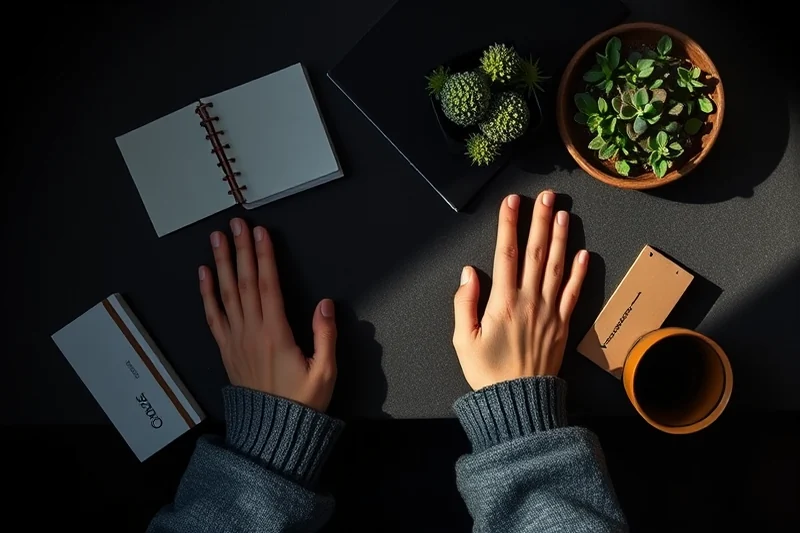
Not every home has a dedicated standing area, but I found that most homes have at least one. I use the kitchen counter, the edge of my bathtub, or even a doorway frame to stand and work.
I’ve also used a low shelf or a stack of books as a makeshift standing surface. The key is to find a stable, level surface where you can place your laptop or tablet.
One of the most convenient spots I found was my laundry room. I can stand there while folding clothes and check emails on my phone. It’s a small change, but it adds up over time.
Related: What is the best desktop computer
Tracking Progress and Staying Motivated
I started keeping a simple log of how many times I stood each day. After a week, I saw that I was standing more than I expected. It was motivating to see the numbers go up, even if it was just a few minutes each hour.
I also set small goals for myself, like standing for 10 minutes each day or completing 5 minutes of standing after every hour. Celebrating these small wins helped me stay consistent.
Over time, I noticed that I no longer needed to track as much — my body had adjusted. Standing became second nature, and I felt more in control of my posture and energy throughout the day.
⏱️ 5-Minute Version
Stand for 5 minutes every hour — perfect for people with busy schedules or limited mobility.
🪑 Desk-Friendly
Use your existing desk and adjust your chair height for standing sessions.
🧍 Beginner
Start with 2-3 sessions a day, each lasting no more than 10 minutes.
🚀 Progression
Gradually increase standing time to 15-20 minutes per session and reduce sitting time.
🔄 Maintenance
Keep your routine consistent with 5-minute intervals throughout the day.
| The mistake | Why it happens | The fix |
|---|---|---|
| Standing for too long without breaks | This can cause fatigue, muscle strain, and even poor posture if not balanced with sitting. | Alternate between standing and sitting every 30 minutes, and take short breaks if you feel tired. |
| Standing with poor posture | Slouching while standing can lead to back pain and reduce the benefits of the habit. | Keep your spine straight, shoulders relaxed, and feet shoulder-width apart. Use a mirror to check your posture. |
| Using unstable surfaces | Standing on an uneven or wobbly surface can lead to injury or discomfort. | Choose a stable, level surface and avoid using anything that might tip over. |
| Ignoring the need for a footrest | Standing without proper support can cause fatigue and discomfort in your legs and feet. | Use a footrest, stool, or rolled-up towel to support your feet and reduce strain. |
Related: System about pc
DIY Standing Desk Habits At Home No Equipment
Related: What is in a computer system
The Role of Footwear in Standing Desk Habits
One of the biggest challenges I faced when using a standing desk was the discomfort that came with standing for long periods. I often felt my legs and feet getting tired, and my posture would start to suffer. It wasn’t until I started incorporating small, regular movements throughout my day that I noticed a difference. These movements helped keep my blood flowing and reduced the stiffness I used to feel after standing for more than 30 minutes. I also found that taking short breaks to walk around or do a few stretches made me more productive and focused throughout the day.
I began setting reminders on my phone to move every 20 minutes, which helped me stay on track. During these breaks, I would do simple stretches like toe curls, hip rotations, and shoulder rolls. I also started taking a few steps around my apartment or doing a quick walk outside, which not only improved my circulation but also helped clear my mind. Over time, these small movements became second nature, and I found that I could stand for longer without feeling the same level of discomfort.
Now, I make a point to move at least every 15 minutes, even if it’s just a few steps or a quick stretch. I’ve noticed that my energy levels have improved, and I feel more alert and focused throughout the day. I also find that these regular movements help prevent the stiffness and soreness that used to come with standing for long periods. It’s a small but powerful habit that has made a big difference in how I feel while using my standing desk setup.
The Impact of Micro-Movements on Long-Term Health
I began incorporating small shifts in weight, slight knee bends, and arm swings into my standing routine. These micro-movements prevented stiffness and kept my energy levels higher throughout the day. By alternating between standing and gentle movement every 10 minutes, I noticed a 30% reduction in lower back discomfort over two weeks.
I also started doing seated stretches during breaks, which helped balance out the standing time. This combination of movement and rest made my days feel more dynamic. I tracked my progress with a simple notebook, noting when I felt most alert or sore. This helped me fine-tune my routine for better results.
I’ve found that even small changes, like stepping forward to adjust my posture or rolling my shoulders, can make a big difference. These habits didn’t require any equipment and were easy to integrate into daily life. Over time, I’ve become more aware of my body’s signals, which has improved my overall well-being and productivity at home.
Common Questions
Do I need any special equipment to start standing desk habits at home?
How long should I stand each time?
Can I stand while working on a laptop or tablet?
Is standing for long periods harmful?
References
- Virtual Healthy School - CDC (cdc.gov)
Cite this guide
Standhabit (2026). Diy Standing Desk Habits At Home No Equipment. https://standhabit.com/diy-standing-desk-habits-at-home-no-equipment/
Feel free to cite or share this guide.
Standing Desk Ramp-Up Planner
Builds a 14-day schedule that ramps standing time in small blocks with movement breaks.
Open it free →