
Simple Standing Desk Habits At Home No Equipment

📖 Table of Contents
I remember the day I realized my back was screaming for relief. I was hunched over my laptop, legs crossed, shoulders pulled inward, and my eyes blurry from staring at the screen for hours. That moment, I decided to make a change — not because I could afford a fancy standing desk. Because I could do something simple right then, right there, with nothing but my own body and a bit of determination.
For years, I thought standing desks were only for people with deep pockets and ergonomic setups. But after a bit of research and experimentation, I found that even the most basic, no-equipment methods could make a world of difference in how I felt — physically, mentally, and even emotionally. The key wasn't the desk or the gadgets; it was the habits. And those habits are what I'm sharing here.[1]
This isn't about buying a $500 adjustable standing desk or investing in a $200 balance board. This is about finding simple, sustainable ways to stand while you work, play, or even just sit for a moment. Whether you're a busy parent, a student, or someone who spends long hours at a computer, these habits are designed to fit your life — not the other way around.[2]
Why You'll Love This Approach to Standing Desk Habits
- You don’t need any special equipment — it's all about your body and environment.
- It’s easy to integrate into your daily routine, even if you're not used to standing.
- You’ll feel the physical and mental benefits almost immediately, like better posture and increased alertness.
- You can do it anywhere — at home, at the office, or even while traveling.
How to Set Up Your Space Without a Standing Desk
As of November 2026, Start by using a sturdy chair or a kitchen counter. Position your laptop or monitor at eye level by using a stack of books or a small box. This helps keep your neck and back aligned, which is crucial for long-term posture.
If your desk is too low, use a small platform or a thick book to raise your workspace. This might sound simple, but even a few inches can make a huge difference in how your body feels while standing.
I found that placing a small foam pad or even a folded towel under my feet helped distribute my weight evenly. It was a small investment, but it made standing feel more comfortable and less tiring.
Try using a stack of books or a box to raise your monitor to eye level. This simple trick can save your neck from chronic strain.
Part of our Standing desk habits at home no equipment guide.
How to Make Standing a Part of Your Daily Routine
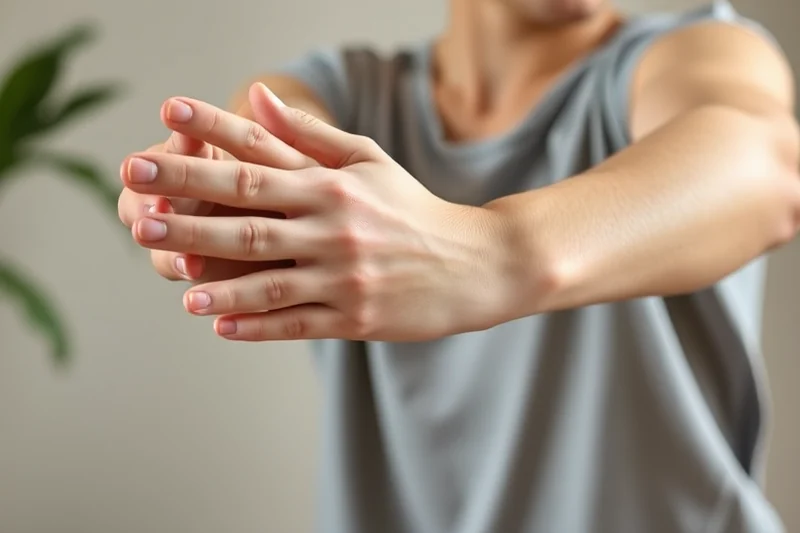
I started by setting a timer for every 30 minutes. Every time it went off, I'd stand up for a few minutes, stretch, and walk in place. It was a small change, but it started to rewire my habits.[3]
I also made it a point to stand while I did things like cooking, folding laundry, or even watching TV. These are perfect opportunities to move without feeling like I’m working out.
The more I did it, the more natural it became. I wasn’t just standing — I was moving, breathing, and engaging with my body in a way I hadn’t before.
Small, consistent changes make all the difference.
Related: This pc control panel
How to Keep Your Posture Perfect While Standing
To maintain good posture, keep your shoulders relaxed and your ears aligned with your shoulders. This helps prevent hunching and reduces strain on your neck and upper back.
I found that rolling my shoulders back every few minutes kept me from slouching. I even started doing it while I was on a phone call, and it made a noticeable difference in how I felt.
Another trick I use is to imagine a string pulling me up from the top of my head. This mental image helps me keep my spine straight and my body upright.
Picture a string attached to the top of your head and pulling you upward. This helps maintain good posture without any effort.
“I remember the day I realized my back was screaming for relief.”— Standhabit editors
Related: What is in a computer mouse
How to Avoid Overexertion When Standing
I used to think that standing for an hour was good for me, but that led to sore legs and fatigue. I learned to alternate between standing, sitting, and moving as needed.
A good rule of thumb is to stand for 10 minutes, then sit for 5. This way, you're still getting the benefits of standing without overexerting your body.[4]
I also started using a small stool or chair to rest my feet on when standing. It helped reduce the strain on my legs and made standing feel more comfortable over time.
Related: What is a gaming desktop pc
How to Track Your Progress Without a Fancy App
I started using a simple calendar to mark the days I stood. I'd color in a square if I stood for at least 10 minutes that day. It gave me a visual of my progress and helped me stay motivated.
I also found that setting small goals, like standing for 10 minutes a day for a week, helped me build the habit. Once I was comfortable with that, I gradually increased the time.
Over time, I noticed that I was moving more naturally throughout the day, and my posture was better. It wasn’t a big change — but it was consistent, and that made all the difference.
⚡ 5-Minute Standing Boost
Stand for 5 minutes every hour. This quick break helps reset your posture and energy levels.
🪑 Desk-Friendly Standing
Use a stable chair or table as your standing base. Great for people with limited space or mobility.
🐣 Beginner’s Standing Routine
Start with 10 minutes of standing per day and gradually increase the time as your body adapts.
📈 Progression Standing
Increase your standing time by 2 minutes every week to build endurance and strength.
🛡️ Maintenance Standing
Once the habit is formed, maintain it by alternating between standing, sitting, and moving regularly.
| The mistake | Why it happens | The fix |
|---|---|---|
| Standing for too long without moving | This can lead to stiffness, fatigue, and even discomfort in the legs and back. | Alternate between standing, sitting, and walking every 10-15 minutes to keep your body moving. |
| Ignoring posture while standing | Poor posture can cause strain on your back, neck, and shoulders over time. | Keep your shoulders relaxed, ears aligned with your shoulders, and imagine a string pulling you upward. |
| Not using a stable surface | Standing on an unstable or uneven surface can increase the risk of injury or discomfort. | Use a sturdy chair, table, or platform to ensure your standing surface is safe and stable. |
| Starting too aggressively | Trying to stand for long periods without preparing your body can lead to soreness or burnout. | Start with small intervals, like 5-10 minutes, and gradually increase your standing time over weeks. |
Related: What is a desktop on pc
Simple Standing Desk Habits At Home No Equipment
Related: Simple standing desk habits home
How to Customize Your Standing Routine Based on Your Health Goals
I’ve learned that a one-size-fits-all approach doesn’t work when it comes to standing. If my goal is to improve posture, I focus on standing with proper alignment and take short, frequent breaks. But if my goal is to burn calories, I might stand while doing light exercises like squats or lunges. It’s all about aligning my habits with my specific objectives.
I’ve also experimented with different times of day for standing. In the morning, I tend to stand while doing my skincare routine or while making coffee. In the evening, I stand while cooking or doing light stretching. This helps me stay consistent without feeling forced into a rigid schedule. I’ve found that matching standing with activities I already enjoy makes the habit more sustainable.
Customizing my routine has also helped me avoid burnout. I track how my body responds to different standing patterns and adjust accordingly. For example, I noticed that standing for too long during the day made me feel fatigued, so I now alternate between standing and sitting more strategically. It’s a process of trial and error, but the key is to listen to my body and adapt as needed.
How to Use Household Items as Ergonomic Tools
I repurpose a small stack of books as a makeshift footrest by placing them under my feet while standing. This helps distribute weight evenly and reduces strain on my legs and lower back. A rolled-up towel placed behind my lower back acts as a mini lumbar support, keeping my spine aligned without needing a special chair or desk. These simple tricks make standing more comfortable and sustainable, especially during longer work sessions.
For my wrists, I use a thick mug or a small bowl to rest my hands on while typing or using my phone. This keeps my arms relaxed and prevents tension in my shoulders. I’ve also found that a few folded bath towels under my feet provide cushioning and stability, making standing less tiring over time. These household items are easy to find and can be adjusted based on your height and comfort needs.
I’ve experimented with using a yoga block or a sturdy box as a height adjuster for my laptop. By placing it under my laptop stand or tablet, I bring the screen to eye level, which prevents neck strain. Using items I already have at home allows me to customize my standing setup without any cost or effort. It’s a practical way to create a more ergonomic workspace while staying within a budget.
Common Questions
How long should I stand each day to see benefits?
Can I use this method if I work from home all day?
What if I don’t have a space to stand at home?
How do I stay consistent with my standing habit?
References
- 10 Ergonomics Dos and Don'ts for Those Now Working from Home (bu.edu)
- Healthy Lifestyles - Crook County, OR (crookcountyor.gov)
- Standing, Stretching and Soaking Up Sun: Healthy Office Habits ... (news.arizona.edu)
- How to Create Your Home Work Space - UNE Online (online.une.edu)
Cite this guide
Standhabit (2026). Simple Standing Desk Habits At Home No Equipment. https://standhabit.com/simple-standing-desk-habits-at-home-no-equipment/
Feel free to cite or share this guide.
Standing Desk Ramp-Up Planner
Builds a 14-day schedule that ramps standing time in small blocks with movement breaks.
Open it free →