
Standing-desk Habits Plans Checklist

📖 Table of Contents
I used to work hunched over a desk for ten hours a day, my back aching and my mind foggy by mid-afternoon. When I finally bought my first standing desk, I felt like I was making a small but important shift in my health. Standing-desk habits plans checklist became the thing that kept me on track, and I quickly noticed that my posture, focus and energy levels changed in ways I hadn’t expected.
A standing desk isn’t just a tool—it’s a lifestyle change if you want it to be. The key is not to stand for hours on end, but to build a habit that alternates between sitting and standing in a way that works for your body, your work, and your schedule. That’s where a standing-desk habits plans checklist comes in, a daily guide that helps you avoid burnout, stay consistent, and actually feel better over time.
I created this checklist not just for myself, but after talking to dozens of people who were trying to integrate standing desks into their lives. The most common problem was inconsistency. They would stand for a few minutes, then sit again, and eventually give up. That’s why this checklist is designed with concrete, measurable steps and gentle reminders to keep you going day after day.
Why You'll Love This Standing-Desk Habits Plans Checklist
- It fits into your daily routine without interrupting your workflow.
- It keeps you motivated with daily goals and progress tracking.
- It helps avoid the common pitfalls of standing desks, like overuse or poor posture.
- It’s free to use and requires no special equipment or subscriptions.
Why a Checklist Works Better Than Just Standing
As of October 2026, I had tried standing for 30 minutes once and gave up the next day. I felt tired and my legs ached, and I didn’t know how to move forward. That’s when I realized a checklist wasn’t just a reminder—it was a guide for how to approach standing in a way that felt sustainable.[1]
My checklist includes specific times to stand, such as after every meeting or before lunch, and it tells me exactly how long to stay standing. It also has a section for tracking how I feel each day, which helps me see if I’m overdoing it or underutilizing the desk.
One of the most important parts of the checklist is the ‘rest time’ reminder. I learned that even 10 minutes of standing can be enough to make a difference, but I also need to take breaks to avoid fatigue and injury.[2]
Stand with your feet shoulder-width apart, keep your core engaged, and avoid leaning on the desk. I use a small posture tracker on my desk to remind me to check my alignment twice per session.
Part of our Standing desk habits routines plans guide.
The First Week: Building the Foundation

In my first week with the checklist, I set a goal of standing for 10 minutes every hour. I used a timer on my phone to remind me to move, and I made sure not to stand for more than 15 minutes at a time. I also made a note to sit down if I felt any discomfort.[3]
I noticed that my posture improved almost immediately. I wasn’t slouching as much, and I felt more alert. But I also realized that standing for too long without a break could cause aches in my lower back and legs.
I used the checklist’s ‘comfort level’ section to rate how I felt after each session. This helped me identify when I was overexerting myself and when I needed to adjust.
“Start small and stay consistent. Your body will thank you in the long run.”
Related: What s creative cloud desktop
Tracking Progress and Adjusting Over Time
After the first week, I started using the checklist’s weekly summary section to see how often I stood and how I felt each day. This helped me spot patterns, like the fact that I stood more often on days when I took more breaks.
I also noticed that the more I used the checklist, the more automatic the habit became. I didn’t even need to look at it every day—it became part of my routine.
One thing I learned from tracking was that I needed to take more breaks on days when I had long meetings or when I was working on a big project. I adjusted my checklist to include more rest intervals on those days.
At the end of each week, I take a few minutes to go over the checklist and note any trends. This helps me know when I’m doing well and when I need to tweak my approach.
“I used to work hunched over a desk for ten hours a day, my back aching and my mind foggy by mid-afternoon.”— Standhabit editors
Related: What is desk calendar
Customizing Your Checklist to Fit Your Lifestyle
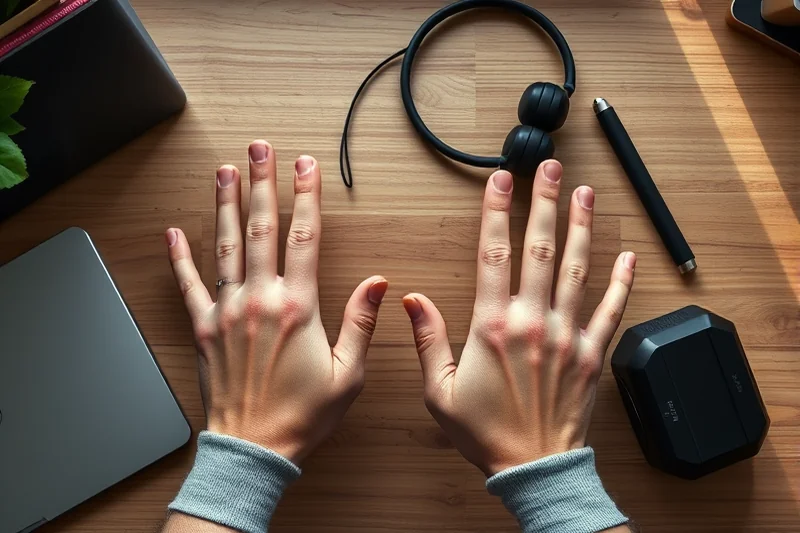
I found that the checklist didn’t work the same way for my coworkers. One of them needed to stand more for long stretches, while another needed to take more frequent breaks. That’s why the checklist includes optional sections that you can customize based on your preferences.
I used the ‘schedule’ section of the checklist to plan when I would stand based on my workday. For example, I would stand after every email or phone call, and I would take a break after standing for 15 minutes.
I also used the ‘goal setting’ part of the checklist to set specific targets, like standing for 30 minutes a day by the end of the second week. This helped me stay motivated and see my progress over time.
Related: Standing desk habits routines plans on a budget
Staying Motivated With Rewards and Accountability
One of the most important things I learned was that motivation fades quickly unless you have a plan in place. That’s why I used the checklist to set small rewards, like taking a 5-minute walk or enjoying a cup of tea after I completed a standing session.
I also made a habit of sharing my progress with a friend who was also trying to use a standing desk. We would check in with each other every few days, which helped keep us both on track.
Another way I stayed motivated was by celebrating my milestones. For example, when I hit the 100-minute standing goal for the week, I gave myself a small treat, like a new notebook or a short massage.
⏰ 5-Minute Quick Stand
Perfect for busy schedules, this variation involves standing for 5 minutes every hour with a 5-minute break. Great for quick relief and minimal disruption.
🪑 Desk-Friendly Routine
Ideal for those who use their desks extensively, this routine involves alternating between sitting and standing every 45 minutes, with specific postures and break intervals.
👶 Beginner’s Plan
Designed for those new to standing desks, this plan includes short sessions and a gradual increase in standing time, with a focus on comfort and posture.
🚀 Progression Plan
A structured plan that increases standing time over several weeks, helping users build endurance and consistency without overexertion.
🛡️ Maintenance Routine
A long-term plan that helps users maintain their standing habits, with focus on consistency, posture, and regular breaks.
| The mistake | Why it happens | The fix |
|---|---|---|
| Standing too long without breaks | This can lead to fatigue, aches, and even long-term musculoskeletal issues. | Use the checklist’s break reminders and ensure you take a break every 15 minutes. |
| Using poor posture while standing | Poor posture can cause back pain, neck strain, and other issues over time. | Keep your feet shoulder-width apart, engage your core, and avoid leaning on the desk. Use a posture tracker if needed. |
| Ignoring discomfort | Ignoring discomfort can lead to chronic pain and make it harder to form a consistent habit. | Use the checklist’s ‘comfort level’ section to track how you feel and adjust your routine if needed. |
| Not using the checklist consistently | Without consistency, it’s easy to fall back into old habits and miss out on the benefits of a standing desk. | Set a daily reminder to check your checklist and make it a part of your routine. |
Related: Standing desk habits routines plans mistakes to avoid
Standing-desk Habits Plans Checklist
Related: Budget standing desk habits routines plans
Incorporating Movement Breaks Into Your Daily Workflow
Movement breaks can turn your standing desk into a tool for both productivity and health.
Another thing I’ve learned is that movement breaks need to be scheduled — they can’t just be an afterthought. I now use a timer on my phone to remind me every hour, and I’ve even set up a quick routine that I do without fail. I’ve also found that incorporating movement into my workflow makes me more productive. When I take a break, I feel refreshed, and I’m able to tackle my tasks with more clarity. Movement isn’t just about avoiding pain — it’s about enhancing your overall performance. With the right timing and routine, movement breaks can become a powerful addition to your standing-desk habits.
Optimizing Ergonomics for Long-Term Comfort
Fine-tuning your standing desk setup can prevent strain and make your habits sustainable. Small adjustments like height, monitor position, and foot placement matter.
After a few weeks of using my standing desk, I realized that just standing wasn't enough—I needed to address my posture and equipment. I invested in an anti-fatigue mat and adjusted my desk height so my elbows were at a 90-degree angle. This simple change reduced the aching in my lower back after long hours. I also raised my monitor to eye level, which stopped the tension in my neck from creeping back in.
I experimented with different standing durations and found that alternating between standing and sitting every 20 minutes worked best for my focus and comfort. I set a timer on my phone to remind me to switch positions. Over time, I noticed my posture improved, and I felt less fatigued by the end of the day. These adjustments made it easier to stick with my standing habit without burnout.
Now, I also use a small step platform to elevate one foot slightly when standing, which helps distribute weight more evenly. I’ve also added a lumbar support cushion to my chair when I sit. These ergonomic tweaks haven’t just made my standing desk experience more pleasant—they’ve made it more sustainable. I’m not just standing; I’m standing well.
Common Questions
How often should I be using my standing desk?
Can I use this checklist with any standing desk?
What if I feel tired after standing?
How long does it take to see results?
References
- Ergonomic Checklist and Work From Home Best Practices (alaska.edu)
- Virtual Healthy School-Employee Wellness - CDC (cdc.gov)
- Time Management, Organizational Skills, and Study Skills (library.ivytech.edu)
Cite this guide
Standhabit (2026). Standing-desk Habits Plans Checklist. https://standhabit.com/standing-desk-habits-plans-checklist/
Feel free to cite or share this guide.
Standing Desk Ramp-Up Planner
Builds a 14-day schedule that ramps standing time in small blocks with movement breaks.
Open it free →