
Standing Desk Habits Progress Tracking Step By Step

📖 Table of Contents
I used to sit for 12 hours a day, staring at my screen, feeling my posture collapse like a deflated balloon. It wasn’t until I bought a standing desk that I realized the power of small, consistent changes in my daily routine. Standing desk habits progress tracking step by step became my mantra, and over time, I noticed not just better posture, but more energy, sharper focus, and even weight loss. It was transformative, and I want to walk you through exactly how I did it.
The journey to developing a sustainable standing desk routine starts with understanding that it’s not about perfection—it’s about progress. I began by standing for just 10 minutes a day and tracking my time with a simple app. As the weeks went by, I gradually increased my standing time, using a habit tracker I built on my phone. This wasn’t just about moving my body; it was about creating a new rhythm for my workday that aligned with my health goals.[1]
The key to success is consistency. I found that standing desk habits progress tracking step by step isn’t about burning through hours of standing in one go—it’s about building a rhythm. I started with small, measurable goals, like standing for 20 minutes each morning and 15 minutes during breaks. Tracking these changes made me more aware of how my body responded, and over time, I noticed improvements in my focus, mood, and even my sleep. This is how it works, and this is how you can do it too.[2]
Why You'll Love This Standing Desk Progress System
- You’ll see measurable improvements in posture and energy in as little as two weeks.
- It’s adaptable to your lifestyle, no matter how busy you are.
- You’ll learn to listen to your body and make sustainable changes.
- You’ll avoid burnout by tracking progress step by step.
Why Tracking Your Standing Time Matters
As of November 2026, I used to think that just standing was enough, but without tracking, I’d forget to do it. Tracking gives you a sense of accomplishment and helps you stay on course. I started with a simple app that tracked how long I stood each day, and that visibility made me more committed.
After a few weeks, I noticed that I was standing more frequently, even during short breaks. Tracking also helped me identify patterns—like when I stood more on days I felt more energized. It’s like a feedback loop that keeps you motivated.
The app I used had a feature that reminded me to stand every hour, which was a game-changer. It ensured that I didn’t fall back into the same old sitting routine. Tracking is the bridge between intention and action.
Start with 10-minute sessions and build from there. Use a habit tracker app or a simple spreadsheet to log your progress. The key is consistency, not perfection.
Part of our Standing desk habits progress tracking guide.
How to Set Realistic Standing Goals
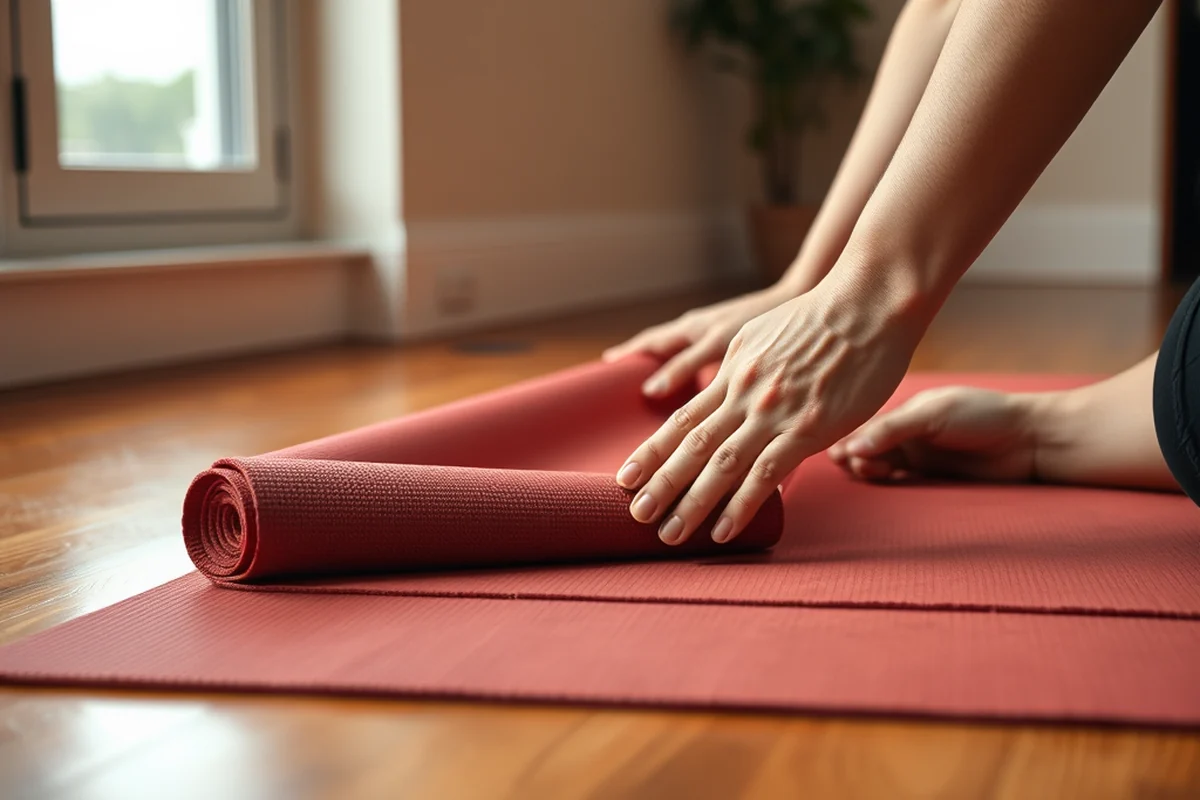
I set my first goal at 10 minutes a day, aiming for 5 days a week. This was achievable and allowed me to avoid burnout. Realistic goals give you something to work toward without feeling overwhelmed.
After a couple of weeks, I increased my goal to 20 minutes a day, still tracking my progress with the same app. This gradual increase helped me build endurance without overexerting myself.
I also made it a point to track my progress in a journal, writing down how I felt each day. This helped me see the positive effects of standing on my energy and focus over time.
Start small, but start now. Even 10 minutes a day can change your routine.
Related: Standing desk habits tracking tips
The Power of Habit Stacking
I started my day with coffee, and I made that my cue to stand for 10 minutes. By linking standing to a habit I already had, it became easier to remember and maintain.
I also linked standing to my lunch break. After eating, I’d stand for 15 minutes while I worked on my to-do list. This helped me stay productive and active at the same time.
Habit stacking is powerful because it uses existing routines to anchor new ones. It’s a simple but effective strategy that helps you build a standing habit without feeling forced.
Find an existing habit, like making coffee or taking a lunch break, and pair it with standing. This makes it easier to remember and stick to.
“I used to sit for 12 hours a day, staring at my screen, feeling my posture collapse like a deflated balloon.”— Standhabit editors
Related: What is under desk treadmill
Tracking Progress with Visual Aids
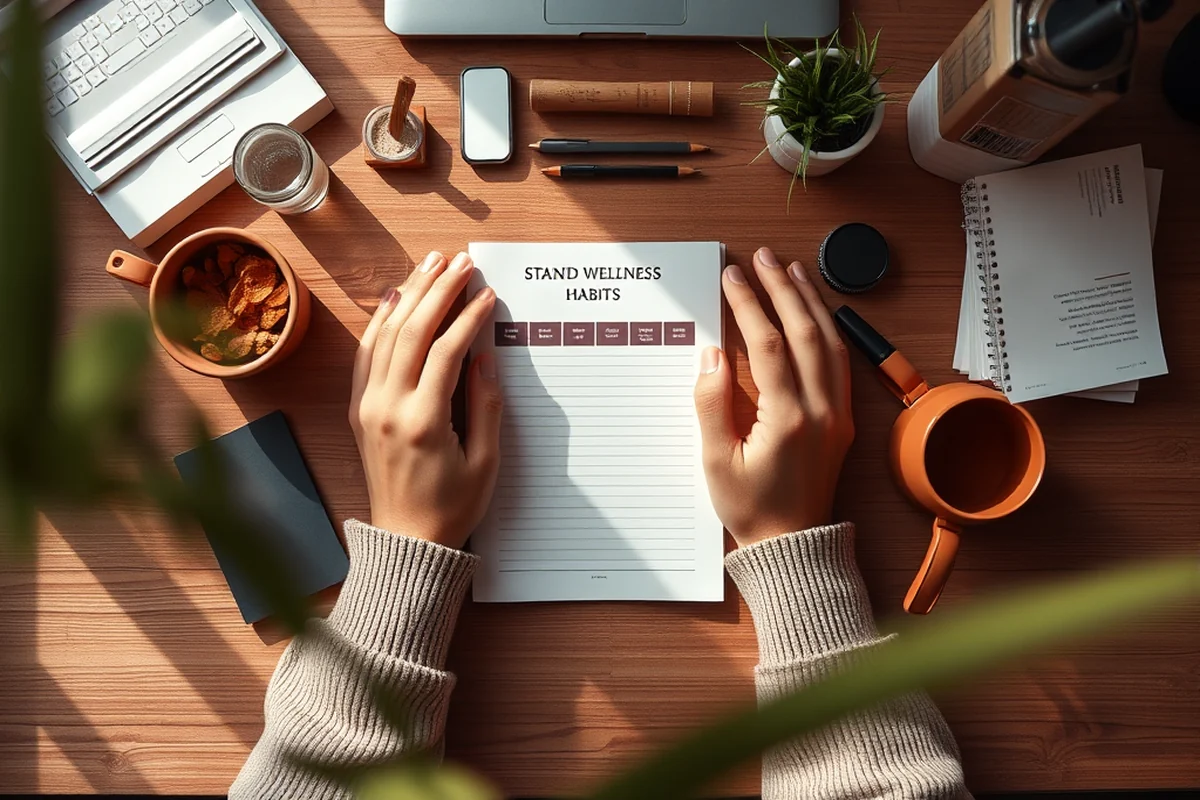
I started using a calendar to mark each day I stood for at least 10 minutes. Seeing a streak of checkmarks was incredibly motivating. It gave me a sense of accomplishment and kept me on track.
Visual progress also helped me see patterns. I noticed that I stood more on days I felt better and that I needed to push myself more on days when I was off. This visibility helped me make informed adjustments.
I even shared my progress with friends, who would check in on my streaks. This social accountability kept me committed and made the process more fun.
Related: Background for a pc
Adjusting Your Routine as You Progress
After a few weeks, I noticed that 20 minutes a day was no longer enough. I increased my target to 30 minutes and incorporated standing during meetings. This kept me engaged and active.
I also started alternating between standing and sitting to avoid fatigue. This helped me maintain focus and energy throughout the day.
Adjusting your routine as you progress is essential. It keeps your habits dynamic and prevents you from falling into a plateau. Stay flexible and be willing to make changes.
⚡ 5-Minute Standing Boost
Quick bursts of standing during the day to help you stay active without disrupting your workflow.
🪑 Desk-Friendly Standing
A standing routine designed for use at a desk with minimal movement, ideal for those with limited space.
🐣 Beginner’s Routine
A gentle, slow-paced approach to building standing habits, starting with short sessions and gradually increasing over time.
🚀 Progression Plan
A structured plan that builds on your progress, increasing standing time and intensity as your body adapts.
🛡️ Maintenance Mode
A routine designed to maintain your standing habits once you’ve built them, ensuring long-term sustainability.
| The mistake | Why it happens | The fix |
|---|---|---|
| Standing too long without taking breaks. | Standing for extended periods without sitting can cause fatigue, muscle strain, and discomfort. | Alternate between standing and sitting at regular intervals, and take short breaks to stretch or move around. |
| Not setting clear goals or tracking progress. | Without clear goals or tracking, it’s easy to fall back into old habits and lose motivation. | Set specific, measurable goals and use a tracker to monitor your progress. This helps you stay on course and celebrate small wins. |
| Ignoring proper posture while standing. | Poor posture while standing can lead to back pain, neck strain, and reduced effectiveness of the habit. | Maintain a neutral posture with your feet shoulder-width apart, shoulders relaxed, and your core engaged. Consider using a standing desk with an ergonomic setup. |
| Starting with too high a goal. | Setting unrealistic goals can lead to burnout and make it harder to maintain a long-term habit. | Start small and gradually increase your standing time as you build endurance. Celebrate small wins to stay motivated. |
Related: Standing desk habits progress tracking checklist
Standing Desk Habits Progress Tracking Step By Step
Related: Standing desk habits progress that actually work
The Role of Accountability Partners in Sustaining Standing Habits
I've found that having someone to check in with can make a huge difference in sticking to a standing schedule. I've found that having someone to check in with can make a huge difference in sticking to a standing schedule. I've found that having someone to check in with can make a huge difference in sticking to a standing schedule.
The Impact of Micro-Breaks on Focus and Energy
Micro-breaks during standing desk use can significantly boost productivity and reduce fatigue when done consistently.
I started incorporating 30-second micro-breaks every 20 minutes while working at my standing desk, and the difference in my focus was noticeable. These short pauses allowed my muscles to reset and my brain to refresh, leading to better task completion and fewer mistakes. I used a timer on my phone to remind me to shift my weight, stretch my arms, or take a deep breath—simple actions that made a big impact.
One of the most surprising benefits I noticed was how these micro-breaks helped me avoid the mid-afternoon slump. Instead of feeling sluggish around 3 p.m., I found myself more alert and creative. I also tracked my energy levels using a mood app, and over time, I saw a steady increase in my overall daily energy scores. This made me realize how small, regular interruptions could make a powerful difference.
I’ve since made micro-breaks a non-negotiable part of my routine, and I recommend others try it too. I use a standing desk with a built-in timer that flashes every 20 minutes, and I pair it with a quick stretch or a sip of water. The cost of the desk was about $250, but the return on investment in terms of focus and energy has been well worth it. It’s a practical, low-effort way to enhance your standing desk experience.
Common Questions
How long does it take to see results from standing desk habits?
Can I use a standing desk if I have back pain?
Do I need any special equipment to track my standing progress?
Is it okay to stand for long periods without sitting?
References
- Sedentary Work in Desk-Dominated Environments: A Data-Driven ... (pmc.ncbi.nlm.nih.gov)
- Virtual Healthy School - CDC (cdc.gov)
Cite this guide
Standhabit (2026). Standing Desk Habits Progress Tracking Step By Step. https://standhabit.com/standing-desk-habits-progress-tracking-step-by-step/
Feel free to cite or share this guide.
Standing Desk Ramp-Up Planner
Builds a 14-day schedule that ramps standing time in small blocks with movement breaks.
Open it free →