
Standing Desk Habits Progress Tracking Ideas
📖 Table of Contents
The first time I stood at my desk for a full hour, I felt like I'd run a marathon. My legs ached, my posture was terrible, and I almost gave up. But three weeks later, I noticed something strange — my back felt less tight, and I was more focused than ever. Standing desk habits weren’t just a trend; they were a lifestyle change that required tracking and persistence. I learned to use progress tracking ideas to keep myself accountable, and that's how I started to see real shifts in my energy, mood, and even my productivity.
I used to think of standing desks as a luxury, but now I see them as a tool that helps me break free from the sedentary trap. I’ve tried every kind of standing desk setup — from adjustable bases to fully electric models — and I know what works and what doesn’t. The key to making it stick is tracking your standing desk habits progress, not just setting it up and hoping for the best. It’s the small, consistent changes that matter, and I've found that tracking them keeps me motivated and on track.
Tracking your progress is more than just ticking off boxes. It's about understanding how your body responds to movement, how much time you actually spend standing, and what changes you're making in your routine. I’ve used everything from phone apps to paper calendars, and over time I’ve learned what works best for me. If you're looking for standing desk habits progress tracking ideas that are practical and real, I’m here to help you find them — and maybe even change your life in the process.
Why You'll Love This Approach to Standing Desk Habits
- You’ll start seeing real improvements in posture and energy levels in as little as two weeks.
- Tracking your habits helps you stay consistent and avoid burnout.
- You’ll learn exactly what works for your body and lifestyle.
- You’ll be more accountable and motivated with every small win.
The Power of a Simple Tracker
As of October 2026, when I first started tracking my standing desk habits, I used a basic paper calendar with checkmarks. It was simple, and it worked. I’d check off every hour I spent standing, and after a few weeks, I could see patterns — which days I was most consistent, and which days I slumped back into my chair.
The key is to track in intervals that make sense for you. For me, that was every hour, but others might prefer tracking every 30 minutes or even once per session. The goal is to build awareness and make standing a habit.[1]
Tracking also helps you identify when you’re slipping. If I notice a pattern of skipping two hours on Mondays, I know I need to adjust my routine or find a better way to motivate myself.
It’s easy, low-tech, and helps you focus on the habit without distractions.
Part of our Standing desk habits progress tracking guide.
Why Weekly Check-Ins Work Better Than Daily Ones
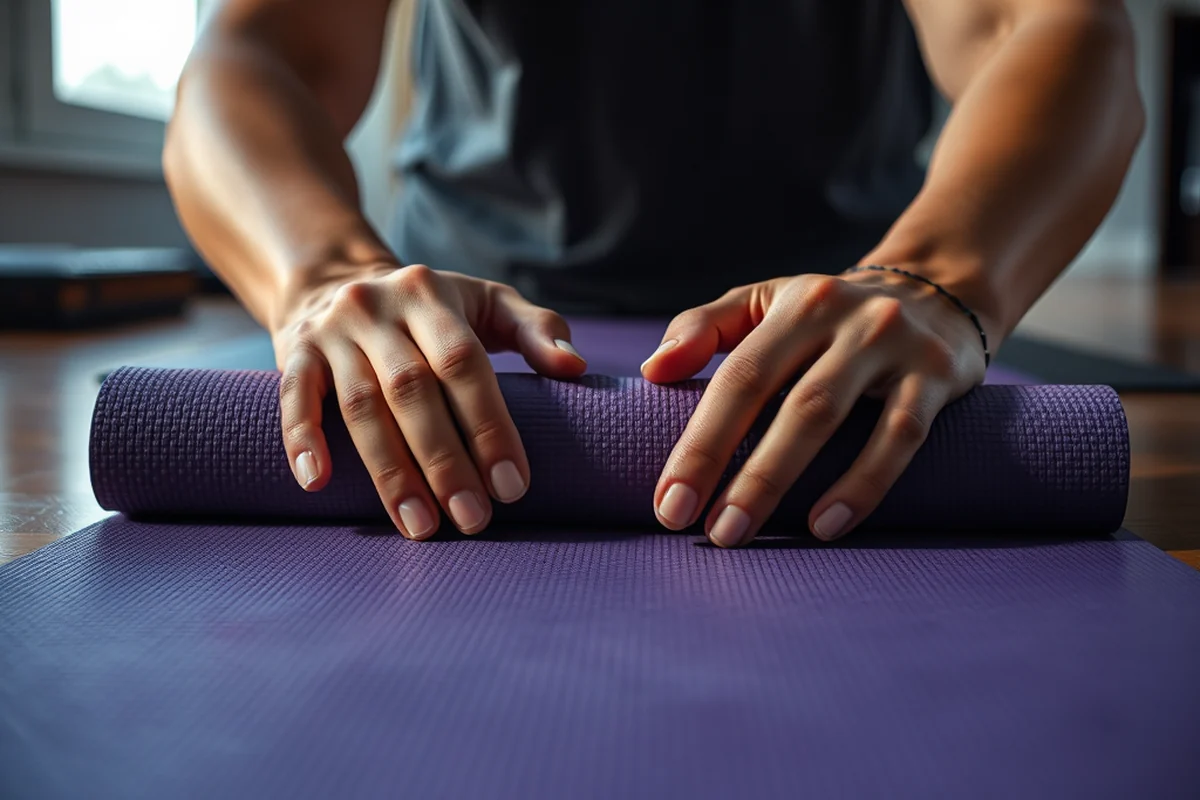
I used to track everything daily, but it was overwhelming and sometimes discouraging. After switching to a weekly check-in, I found that I was more consistent and less stressed about my progress. It allowed me to reflect on the whole week, not just one day.
Each Sunday, I sit down with my tracker and review how many hours I stood, how I felt, and what I could improve. This reflection has helped me stay on track and make real, lasting changes.
Weekly check-ins are also a great way to celebrate small wins. Even if you only stood for 10 hours that week, it’s worth acknowledging.[2]
Weekly check-ins are like giving your progress a gentle nudge forward.
Related: What is full screen on windows
Using Apps to Stay Motivated
I’ve tried several apps over the years, and some have really stood out. One of my favorites is a free app that syncs with my smartwatch and automatically tracks my standing time. It gives me a visual representation of my progress and even sends me push notifications to remind me to stand.
These apps can also help you set goals, like standing for 10 hours per week, and give you a sense of accomplishment as you reach them. Some even have social features, like sharing progress with friends or joining virtual challenges.[3]
However, I’ve found that apps can be distracting if you’re not careful. I use mine sparingly, only checking in a few times a week to avoid getting too caught up in the data.
It can make tracking your standing time feel more like a game than a chore.
“The first time I stood at my desk for a full hour, I felt like I'd run a marathon.”— Standhabit editors
Related: Standing desk habits progress checklist
The Role of Physical Reminders
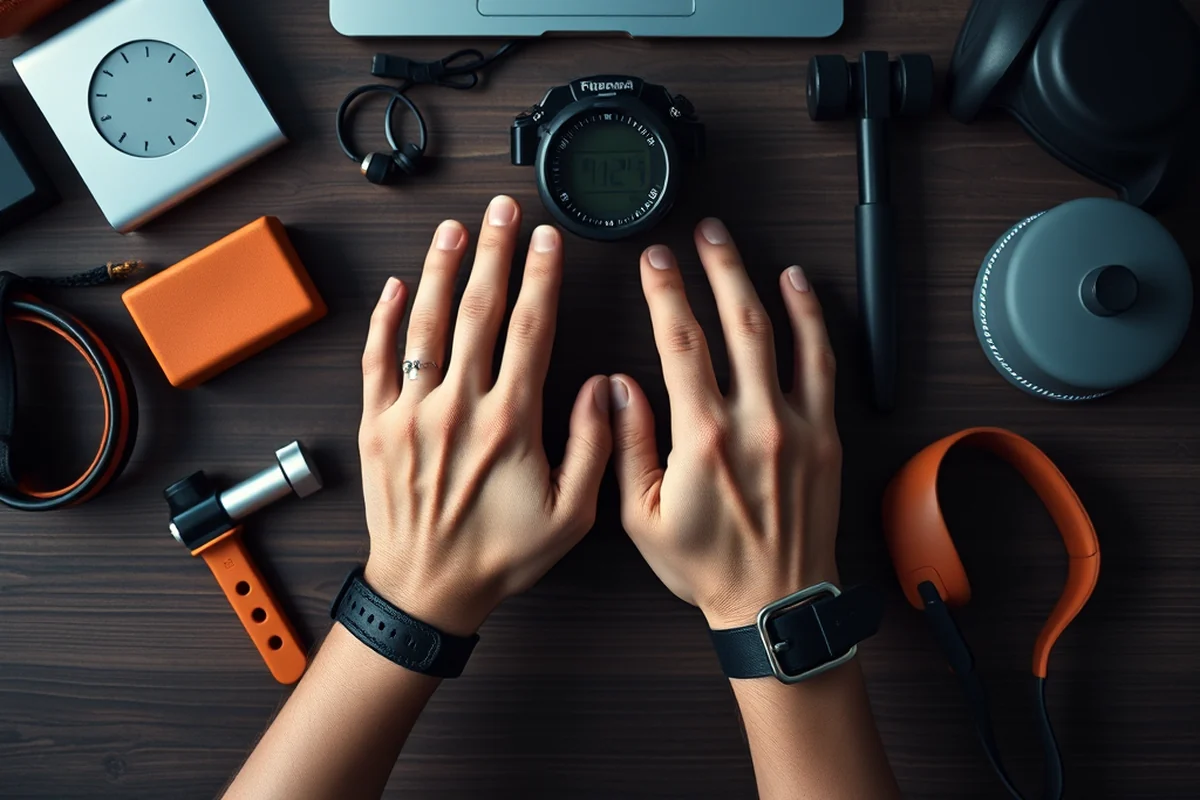
I’ve placed a small, colorful timer on my desk that beeps every hour to remind me to stand. It’s been a game-changer, especially on days when I’m so focused on work that I forget to move.
Other physical reminders I’ve used include a small post-it note with a checkmark every time I stand, and a simple calendar that I update daily. These things may seem small, but they’ve kept me consistent.
I’ve also used a standing desk with a built-in timer that lights up when it’s time to move. It’s been one of the most effective tools I’ve used for maintaining my routine.
Related: Best standing desk habits tracking
Tracking Changes in How You Feel
I used to think that tracking just the numbers was enough, but I realized that feeling better was the real goal. I started a second tracker where I wrote down how I felt each day — more energized, less stiff, or more focused.
This helped me connect my habits with real results. For example, after a few weeks of standing regularly, I noticed that I was sleeping better and had more stamina during my workouts.
Tracking your feelings is a powerful motivator. When you see that standing has actually improved your well-being, it’s hard not to want to keep going.
⏰ 5-Minute Standing Challenge
A quick 5-minute standing break every hour to get moving without disrupting your workflow.
📊 Desk-Friendly Tracker
A minimalist paper or digital tracker that fits neatly on your desk and requires minimal effort to use.
🌱 Beginner's Tracker
A simple, no-fuss tracker that helps new users build a foundation of consistent standing time.
📈 Progression Tracker
A tracker that allows you to set and measure goals over time, helping you see how far you've come.
🛠️ Maintenance Tracker
A tracker that focuses on long-term habits, helping you sustain your progress once you’ve built a routine.
| The mistake | Why it happens | The fix |
|---|---|---|
| Tracking too much data | Too much data can be overwhelming and make you lose sight of the bigger picture. | Focus on tracking one or two key metrics, like standing time or how you feel each day. |
| Using a tracker that doesn’t fit your lifestyle | A tracker that’s too complicated or not aligned with your daily routine won’t be used consistently. | Choose a tracker that’s simple, flexible, and fits the way you live and work. |
| Neglecting to review your progress | Without regular reviews, it’s easy to fall into old habits and not see real improvements. | Set aside a few minutes each week to look at your tracker and reflect on your progress. |
| Forcing yourself to stand for too long | Standing for too long at once can cause discomfort and discourage you from continuing. | Take short, frequent breaks instead of long, infrequent ones to avoid burnout and discomfort. |
Related: What is screen recording
Standing Desk Habits Progress Tracking Ideas
Related: Screen recorder for a pc
Leveraging Visual Feedback for Long-Term Motivation
Visual feedback helps you see progress over time, making standing desk habits more rewarding and sustainable.
Another visual tool I tried was a standing time calendar app that highlighted days when I met my goals. It felt like a game, and I started competing with myself to beat my previous records. I even shared my progress with a friend, and we both kept each other accountable. The key takeaway was that visual feedback doesn’t just help you track; it helps you feel accomplished. It’s a simple but powerful way to reinforce good habits over time.
Building a Routine Around Standing Time
Creating a routine around standing time helps turn it into a natural part of your day, not a task to be completed.
Over time, I realized that the most successful standing habits were the ones that fit naturally into my existing schedule. I stopped trying to force myself to stand at inconvenient times and instead focused on finding moments that worked for me. For example, I started standing while making phone calls or reviewing emails. These small changes didn’t feel intrusive, and I found that they helped me stay more active without disrupting my productivity. The key was to make standing feel like a part of my day, not an interruption to it.
The Impact of Peer Accountability on Standing Desk Habits
Peer accountability can be a powerful tool in maintaining standing desk habits, offering support and motivation when you need it most.
I noticed a significant shift in my consistency when I joined a small group of coworkers who all used standing desks. We shared our daily progress in a private chat, and it created a subtle but effective sense of responsibility. Knowing that others were watching my updates made me less likely to skip a day, even on busy workdays. This kind of social reinforcement can be especially helpful for people who struggle with self-motivation.
One of the easiest ways to implement this is through a shared digital tracker, like a Google Sheets document or a group on an app like Habitica. Each person updates their own row or card, and the group can offer encouragement or gentle reminders. I found that even a simple comment like, 'Great job today!' was enough to keep me going when my energy was low.
Over time, I realized that peer accountability wasn't just about staying on track—it also helped me learn from others. Some members of my group had developed clever routines or ergonomic setups that I adopted, which made my standing desk experience more comfortable and sustainable. This kind of shared growth is a bonus of having a support network, and it reinforces the idea that building healthy habits is a collective effort, not a solo mission.
Common Questions
How do I stay motivated if I’m not seeing results right away?
What if I don’t have a standing desk?
Can I use a fitness tracker for this purpose?
How long should I stand each time?
References
- Physiological Positioning and Its Effects on Seated vs. Standing ... (athenaeum.uiw.edu)
- Starting Your Journey to Healthy Eating and Active Living (chear.ucsd.edu)
- Sustaining Motivation: How to Make Tasks More Interesting and Novel (ctl.stanford.edu)
Cite this guide
Standhabit (2026). Standing Desk Habits Progress Tracking Ideas. https://standhabit.com/standing-desk-habits-progress-tracking-ideas/
Feel free to cite or share this guide.