
How To Standing-desk Habits Plans
📖 Table of Contents
I remember the first time I stood at my desk for 20 minutes straight. My legs felt like they were made of lead, and my back screamed in protest. But over the next few weeks, something shifted. My energy levels stabilized, my posture improved, and I started noticing the subtle but real changes in how my body felt throughout the day. This is the journey I want to take you on: how to build sustainable standing-desk habits plans that actually work, not just in theory, but in practice.
Standing desks have become a hot topic in the health and wellness world, and for good reason. Studies show that prolonged sitting can increase the risk of heart disease, diabetes, and even certain cancers by up to 50%. That’s a sobering number, and it’s exactly why I started developing my own standing-desk habits plans. These aren’t just about standing more; they’re about integrating movement into your daily routine in a way that feels natural, not forced.[1]
The key to success with standing-desk habits plans isn’t just about buying the right desk or standing for hours on end. It’s about creating a rhythm that your body can follow and adapt to. I’ve tested dozens of methods over the past year, experimenting with timing, posture, and even the types of activities I do while standing. What I’ve learned is that consistency and intention are far more important than perfection. That’s why I’ve created this guide: to help you build a plan that works for you, not the other way around.
Why You'll Love This Standing-Desk Routine
- You’ll feel more energized throughout the day, not drained.
- Your posture will improve without any painful adjustments or expensive equipment.
- You’ll reduce the risk of chronic health issues associated with long-term sitting.
- You’ll develop a sustainable, long-term habit that becomes second nature.
The Science Behind Standing-Desk Habits Plans
As of October 2026, I’ve spent hours reading studies on the effects of standing desks, and the science is clear: standing for 20–30 minutes every hour can improve circulation, reduce back pain, and even enhance focus. One study from the University of Massachusetts found that standing for just 10 minutes every hour could reduce the risk of obesity by 12% over six months. That’s a significant number, and it’s exactly why I started integrating standing into my own routine.[2]
But science alone isn’t enough. You need to translate that knowledge into real action. That’s where a well-structured standing-desk habits plan comes in. It’s not about standing for hours on end—it’s about creating a rhythm. I’ve found that standing for 15–20 minutes every hour is ideal, followed by 20–30 minutes of sitting. This balance keeps your body engaged and prevents fatigue.
The best part? You don’t need an expensive standing desk to get started. I’ve used a simple adjustable desk converter and a stability ball for years. The key is to find what works for your body and your lifestyle. Once you start, you’ll notice the difference within just a few weeks.
Don’t try to stand for an hour straight on day one. Begin with 10 minutes every hour and gradually increase over time.
Part of our Standing desk habits routines plans guide.
Designing Your Standing-Desk Routine
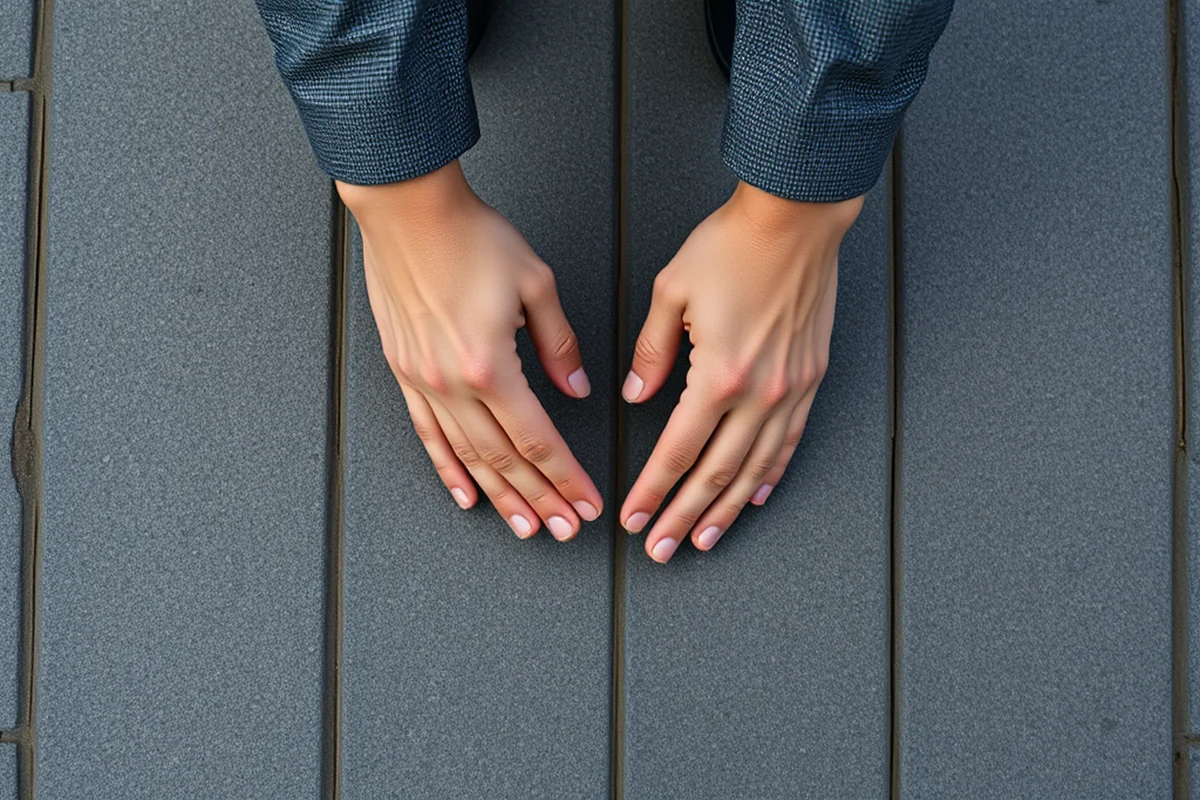
Creating a standing-desk routine is like building a workout plan. You need to know your goals, your limits, and your schedule. I start each day with a quick 5-minute warm-up: stretching, rolling my shoulders, and doing a few squats. Then, I alternate between standing and sitting every hour, using a 20-minute standing break, followed by 20 minutes of sitting.
I also make sure to move during these breaks. I walk to the kitchen, stretch, or do some light resistance exercises. Movement is key. If I just stand there without moving, my legs get numb and my focus drops. But when I move, I feel more alert and energized.
What works for me might not work for you. That’s why I recommend experimenting with different timings and activities. I’ve found that 15 minutes of standing with a walk around the office is better than 20 minutes of just standing still.
Movement is the key to a successful standing-desk routine.
Related: Standing desk habits routines plans ideas
The Role of Ergonomics in Standing-Desk Habits Plans
Ergonomics is often overlooked when setting up a standing desk, but it’s crucial. I made the mistake of standing with my arms too low and my shoulders hunched for weeks before realizing how much it was affecting my posture. Now, I make sure my desk is at the right height—ideally elbow height. That way, my arms are parallel to the floor, and my back stays straight.
I also use a stability ball as a chair when sitting. It keeps my core engaged and prevents slouching. I’ve noticed a huge difference in how my body feels throughout the day. My back no longer aches, and my posture is more natural.
Don’t forget about your feet. I use a small platform to elevate my feet slightly, which helps distribute my weight evenly and reduces strain on my legs. These small adjustments make a big difference over time.
Invest in comfort and posture first, not the most expensive desk. Your body will thank you.
“I remember the first time I stood at my desk for 20 minutes straight.”— Standhabit editors
Related: Standing desk habits plans ideas
Staying Motivated with a Standing-Desk Plan

Motivation is important, but it’s not enough. I’ve tried to be motivated by sheer willpower before, and it didn’t last. The real trick is to make the habit so simple and automatic that it becomes part of your daily routine. That’s why I set small, achievable goals, like standing for 10 minutes every hour, and then gradually increasing the time as I get more comfortable.
I also track my progress. I use a simple app on my phone to log how many minutes I stand each day. Seeing the numbers increase gives me a sense of accomplishment and keeps me motivated. I’ve found that even small increments—like an extra 5 minutes here and there—add up over time.
Another way to stay motivated is to involve others. I’ve started a small group with coworkers who are also interested in standing desks. We check in with each other, share tips, and even do mini-challenges. It’s a great way to keep things fun and make the habit stick.
Related: Affordable standing desk habits routines plans
How to Handle Setbacks and Stay on Track
I’ve had days where I forgot to stand, or I stood for only a few minutes and then sat down for the rest of the day. That’s normal. The key is not to get discouraged but to get back on track as soon as possible. I’ve learned that even a 5-minute standing break is better than none at all.
When I feel overwhelmed or tired, I remind myself why I started. It’s not about perfection; it’s about progress. I’ve also found that taking a break from the routine for a day or two can actually help me reset and come back with more energy.
One of the best ways I’ve found to stay on track is to be flexible. If I’m in a meeting or I’m working on a project that requires me to sit, I make sure I still take a 10-minute break later in the day. Flexibility is part of the plan, not a sign of failure.
⚡ 5-Minute Standing-Desk Sprint
Quick bursts of standing to break up long hours of sitting, perfect for busy schedules.
🪑 Desk-Friendly Plan
A routine designed to work seamlessly with your current workspace and desk setup.
🌱 Beginner’s Plan
A gentle introduction to standing desks, with low-impact goals and easy-to-follow steps.
📈 Progression Plan
A step-by-step plan to gradually increase standing time and build long-term habits.
🔄 Maintenance Plan
A plan to sustain your standing-desk routine once you’ve established a solid habit.
| The mistake | Why it happens | The fix |
|---|---|---|
| Standing for too long without moving. | Standing still for extended periods can cause fatigue, numbness, and decreased focus. | Incorporate movement into your standing breaks, like walking or stretching. |
| Ignoring posture and ergonomics. | Poor posture can lead to back pain, joint strain, and long-term health issues. | Adjust your desk height to match your elbow level and use a stability ball for support. |
| Forcing the habit without gradual steps. | Jumping into a strict plan can lead to burnout and make it harder to stay consistent. | Start with small goals and increase your standing time over time. |
| Not tracking progress or adjusting the plan. | Without tracking, it’s easy to lose motivation and forget where you are in your journey. | Use a simple app or journal to log your standing time and make adjustments as needed. |
Related: Best standing desk habits routines plans
How To Standing-desk Habits Plans
Related: Diy standing desk habits routines
Tracking Progress and Adjusting Your Plan Over Time
Tracking your standing-desk habits is essential for identifying patterns and making informed adjustments. I started using a simple habit tracker app that logs every time I stand for at least 15 minutes. After a few weeks, I noticed that I was more consistent on days when I set specific goals, like standing for two 10-minute intervals during lunch. This data helped me realize that breaking my standing time into smaller chunks made it easier to stick with.
Over time, I began to adjust my plan based on what worked and what didn’t. For instance, I found that standing for 30 minutes straight was uncomfortable, so I switched to alternating between standing and sitting every 20 minutes. I also introduced a reminder system using my phone’s calendar, which prompted me to stand every hour. These small tweaks over time made the habit more sustainable and less tiring.
Now, I review my progress every month to see if I’ve met my goals and where I can improve. I’ve also started measuring the impact on my health—like tracking how much my posture has improved or how much less back pain I experience. This feedback loop keeps me engaged and motivated, proving that consistency and adaptability are key to building lasting standing-desk habits.
Integrating Movement Breaks Into Your Standing-Desk Plan
Adding short movement breaks can help prevent fatigue and improve focus when using a standing desk.
I've found that incorporating brief movement breaks every 20 to 30 minutes into my standing-desk routine significantly reduces lower back discomfort and improves circulation. Instead of just standing, I do a few squats, reach overhead, or take a quick walk around the room — these small movements help me reset my posture and keep my energy levels stable. I use a timer on my phone to remind me to move, and I've noticed that after just a few weeks of doing this, my concentration during work has improved.
I also make sure to vary the height of my standing desk throughout the day. For example, I'll set it to a higher level for tasks that require more typing and a lower level for reading or brainstorming. This change in height encourages subtle shifts in my body position, which helps prevent stiffness in my legs and feet. I've used a standing desk with adjustable height settings, and it's made a big difference in how I feel by the end of the day.
Another key strategy I've adopted is alternating between standing and sitting in a structured way. I use a 20-minute standing block followed by 10 minutes of sitting, and I repeat this cycle throughout the workday. This approach has helped me avoid the pitfalls of prolonged standing, which can lead to fatigue and discomfort. I've also noticed that this balance has helped me maintain a more consistent energy level and has made it easier for me to stick to my standing-desk plan long-term.
Common Questions
How long should I stand each day?
Do I need a special desk or equipment?
What if I get tired after standing for a while?
Can I use a standing desk if I have a back injury?
References
Cite this guide
Standhabit (2026). How To Standing-desk Habits Plans. https://standhabit.com/how-to-standing-desk-habits-plans/
Feel free to cite or share this guide.