
Standing Desk Habits At Home No Equipment Ideas
📖 Table of Contents
I used to sit for 12 hours a day, staring at my laptop with a stiff back and a foggy mind. Then, I discovered the power of standing desk habits at home — not because I had money to buy an expensive adjustable desk. Because I found creative, no-equipment ways to stay upright and active. It changed how I think, how I move, and how I feel.[1]
I started with the simplest thing: standing while cooking. I realized that my body was craving more movement, and that even small, consistent changes could make a big difference. Over time, I integrated standing into my daily life without any equipment, and it became second nature. The result? A healthier posture, more energy, and a new sense of control over my well-being.
Standing desk habits at home no equipment ideas are not just for people who can afford the latest ergonomic tools. They’re for anyone who wants to reclaim their health, one upright moment at a time. These are the techniques I’ve personally tested, and they’ve helped me transform my routine — and they can help you, too.
Why You'll Love This Standing Desk Routine
- Boosts circulation and reduces back pain within weeks
- Improves focus and energy during work or study sessions
- Requires no equipment or budget — just creativity
- Can be easily adapted to any home setup
Start With the Basics: Standing While Cooking or Cleaning
As of October 2026, I began by standing while cooking meals, which immediately made me more aware of my posture. The act of moving from the sink to the stove or cutting board naturally engaged my core and improved my balance.
I noticed that my back pain decreased after just a few days of standing while cooking. I also had more energy during the rest of my day, and my focus was sharper when I sat down afterward.
This simple habit became a foundation for more intentional movement. It shows that small, consistent changes can lead to real results over time.
Use a kitchen island or counter as your base. Keep a small stool nearby for moments when you need to sit briefly.
Part of our Standing desk habits at home no equipment guide.
Leverage the Power of the Stairs
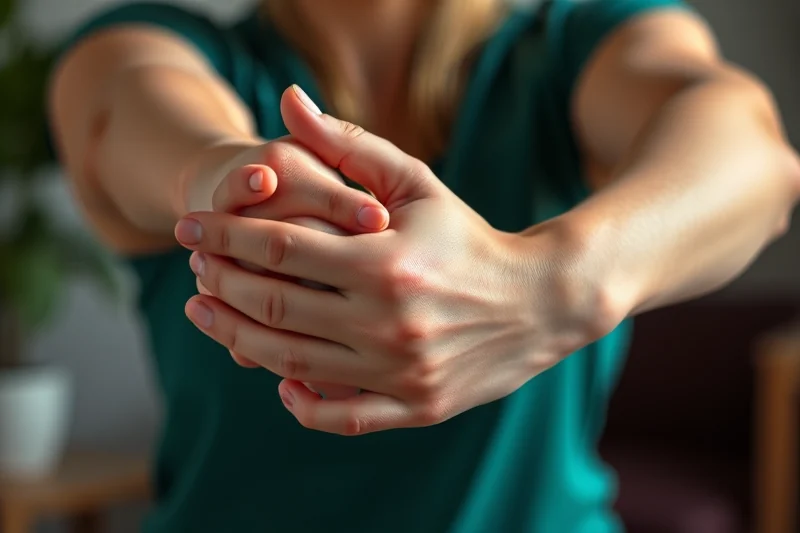
I started taking the stairs instead of using the elevator whenever possible, even for just a few steps at a time. It felt like a small but meaningful shift that helped me stay active throughout the day.
I found that climbing stairs increased my heart rate and improved my circulation, even during short bursts. I also noticed better posture and more awareness of my body’s alignment.
This habit is especially useful for people with limited space or who don’t have a dedicated standing area. It’s a subtle but effective way to stay moving without any additional equipment.
Every step up the stairs is a step toward better health.
Related: Budget standing desk habits equipment
Incorporate Standing Breaks During Work or Study Sessions
I set a timer on my phone to remind me to stand up every 30 minutes. Whether I was working on a project or studying, standing for a few minutes helped me reset and refocus.[2]
I found that standing for even 2-3 minutes between tasks made a noticeable difference in my productivity and comfort. I also felt more alert and less stiff after long sessions.
This approach is particularly useful for people who work from home or spend long hours at a desk. It’s a simple but powerful way to break up sedentary time.
Set a timer for every 30 minutes. Stand up for 2-3 minutes and stretch or do light movement.
“I used to sit for 12 hours a day, staring at my laptop with a stiff back and a foggy mind.”— Standhabit editors
Related: Standing desk habits at home no equipment checklist
Utilize the Floor for Standing Meetings or Calls
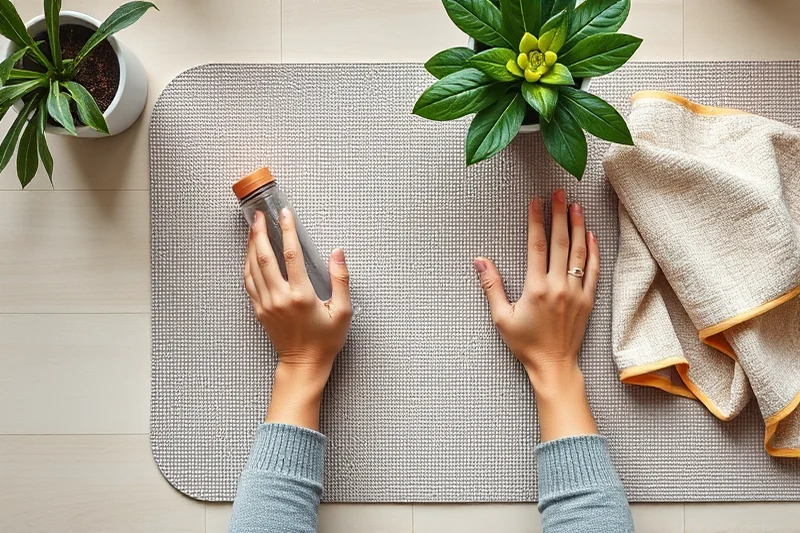
I started taking calls while standing, which made me feel more energized and present. It also helped me avoid the habit of sitting for long stretches during work.
I noticed that my posture improved and my conversations felt more dynamic. I also found that I was more likely to move around during calls, which helped break up monotony.
This technique is especially useful for people who work remotely or have flexible schedules. It’s a subtle but effective way to integrate movement into daily tasks.
Related: What is the best desktop computer
Make Use of a High Table or Counter for Standing Work
I used my kitchen counter as a makeshift standing desk, which allowed me to work or read while standing. It was an easy and cost-effective way to incorporate movement into my routine.
I found that standing at the counter made me more aware of my posture and helped reduce the stiffness I used to feel after long hours of sitting.
This method is ideal for people who don’t have access to adjustable desks but still want to stay active. It’s a simple and flexible solution that can be adapted to any home setup.
🧘 5-Minute Standing Routine
Quick movements to wake up your body and improve posture in just a few minutes.
🪑 Desk-Friendly Standing Breaks
Simple ways to incorporate standing into your workday without leaving your desk.
👣 Beginner Standing Routine
A gentle introduction to standing habits that can be done at home with no equipment.
📈 Progression Standing Plan
A plan to gradually increase your standing time as you build strength and endurance.
🔄 Maintenance Standing Routine
A sustainable plan to maintain your standing habits and avoid relapsing into sedentary behaviors.
| The mistake | Why it happens | The fix |
|---|---|---|
| Standing for too long without breaks | This can lead to fatigue, discomfort, or even injury over time. | Take short breaks and alternate between standing and sitting as needed. |
| Ignoring posture while standing | Poor posture can negate the benefits of standing and may cause strain on the body. | Keep your back straight and engage your core to maintain proper alignment. |
| Not varying the activities | Doing the same standing activity every day can become monotonous and less effective. | Mix up your routine with different movements, like stretching or light walking. |
| Expecting immediate results | Standing habits take time to build and may not show immediate changes in health or posture. | Be patient and consistent. Results often come with time and effort. |
Related: System about pc
Standing Desk Habits At Home No Equipment Ideas
Related: What is in a computer system
Transform Your Living Room into a Standing Workout Zone
I’ve turned my living room into a makeshift standing workout zone by using a sturdy coffee table as a standing platform. For 10 to 15 minutes each morning, I do bodyweight squats, push-ups, and lunges while standing on the table. This method has improved my posture and core strength without needing any weights or machines. The key is to keep movements controlled and focused on form, which I’ve learned to do by watching online workout videos with a phone or tablet.[3]
I also use the living room space during commercial breaks from shows. I’ll do a few minutes of planks or leg raises on the edge of the couch while watching TV. I’ve noticed a significant increase in my stamina over the past few months, and my back pain has decreased. The flexibility of this approach allows me to stay active without disrupting my daily routine or requiring any equipment.
I’ve even experimented with using the wall for resistance exercises, such as push-ups against it or wall sits. These exercises are low-impact but effective for maintaining muscle tone and endurance. Since I have no equipment, these exercises are not only cost-effective but also easy to modify based on my energy levels and time constraints. This method has become a seamless part of my daily routine and has helped me stay consistent with my fitness goals.
Use the Kitchen as a Standing Cardio Hub
I’ve discovered that the kitchen is an excellent place to incorporate standing cardio exercises without any equipment. I use the kitchen counter as a base for step-ups, alternating feet on the same spot. I’ve made it a habit to do 10 to 20 step-ups during my morning coffee routine, which has increased my heart rate and boosted my energy levels. This small change has helped me maintain a consistent level of activity throughout the day.[4]
I also use the kitchen while preparing meals. Instead of sitting, I stand and do light movements like arm circles, shoulder rolls, or even marching in place while chopping vegetables. These small movements add up over time and help keep the body active without interrupting meal prep. I’ve found that these exercises are especially effective in reducing the stiffness that comes from long hours of sitting.
To make the most of the kitchen space, I’ve started to use the countertops for brief high knees or butt kicks as I move around. These quick bursts of activity are not only convenient but also effective in improving circulation and reducing fatigue. By making these small changes, I’ve been able to maintain an active lifestyle without needing any special equipment or a dedicated workout space.
Create a Standing Meditation and Stretching Area in Your Bedroom
I’ve created a small corner in my bedroom dedicated to standing meditation and stretching. I use the floor and a small rug to keep my balance during poses like the mountain pose or forward folds. This practice has helped me start the day with a sense of calm and focus, which I’ve noticed makes me more productive during the day. I’ve found that even 5 minutes of standing meditation can significantly reduce my stress levels.
I also incorporate standing stretches into my evening routine, especially after long hours of sitting. I use the wall for assisted stretches, such as the standing hamstring stretch or shoulder opener. These stretches are not only effective in relieving tension but also help improve my posture and flexibility over time. I’ve noticed a reduction in upper back pain since incorporating these practices into my daily routine.
To keep things consistent, I’ve set a reminder on my phone for a standing stretch session every evening. This has helped me maintain a routine without needing any equipment or additional time. The combination of meditation and stretching has had a noticeable impact on my overall well-being, and I’ve found that these practices are easy to integrate into my daily life without any hassle.
Common Questions
Can I do these standing habits even if I have limited space at home?
How long does it take to see results from standing habits?
What if I feel uncomfortable standing for long periods?
Do I need any special equipment for these habits?
References
- 10 Ergonomics Dos and Don'ts for Those Now Working from Home (bu.edu)
- Healthy Lifestyles - Crook County, OR (crookcountyor.gov)
- Activity Breaks - Iowa Department of Health and Human Services (hhs.iowa.gov)
- Standing, Stretching and Soaking Up Sun: Healthy Office Habits ... (news.arizona.edu)
Cite this guide
Standhabit (2026). Standing Desk Habits At Home No Equipment Ideas. https://standhabit.com/standing-desk-habits-at-home-no-equipment-ideas/
Feel free to cite or share this guide.