
Standing Desk Habits Mistakes Form Fixes Tips
📖 Table of Contents
I remember the first time I switched to a standing desk — I thought I was doing something revolutionary for my health. I stood for three hours straight, feeling proud, until my legs gave out and I collapsed onto my chair, exhausted and sore. That moment taught me a hard lesson: standing desk habits aren’t just about standing; they’re about doing it right, consistently, and with awareness. Standing desk habits mistakes form fixes tips aren’t just a list of dos and don’ts — they’re a roadmap to building sustainable, healthy work practices.
Over the past year, I’ve experimented with different standing setups, tracked my posture, and even recorded my movement patterns. What I’ve learned is that most people don’t just make one mistake — they make several, and they often ignore the most basic advice. That’s why I want to walk you through the mistakes I made, the fixes that worked, and the small, actionable tips that can make all the difference. Standing desk habits mistakes form fixes tips aren’t just about comfort — they’re about long-term health.
The goal isn’t to stand for hours on end, but to find a rhythm that works for your body. I’ve found that mixing standing with sitting, moving regularly, and adjusting your posture can transform your experience with a standing desk. Standing desk habits mistakes form fixes tips are here to guide you, not to overwhelm you. Let’s get into the real, practical advice that will help you stand tall — literally and figuratively.
Why You'll Love This Guide to Standing Desk Habits
- Avoid common mistakes that lead to pain and burnout.
- Learn how to build sustainable, healthy work habits.
- Get practical, science-backed tips for your setup.
- Discover easy fixes that make standing desk use effortless.
Ignoring the Need for Movement
As of October 2026, Standing in the same spot for too long is like sitting in a chair for eight hours — it’s not good for your body. I learned this the hard way after a week of standing straight and rigid, which left me with stiff shoulders and a sore back. Your body needs to move, even if you’re at a standing desk.
To prevent this, I started using a timer to remind me to shift my weight, stretch, or take a short walk every 10 minutes. This simple habit not only kept me comfortable but also made me more productive. Movement is the key to a healthy standing desk routine.[1]
I now alternate between standing and sitting every 20 minutes, and I’ve noticed a significant decrease in muscle tension. You can even use a fitness tracker or a phone app to help you track your movement and break up long periods of stillness.
Set a reminder on your phone or use a smartwatch to prompt you to shift your weight, stretch, or take a short walk every 10 minutes.
Part of our Standing desk habits mistakes form fixes guide.
Incorrect Posture
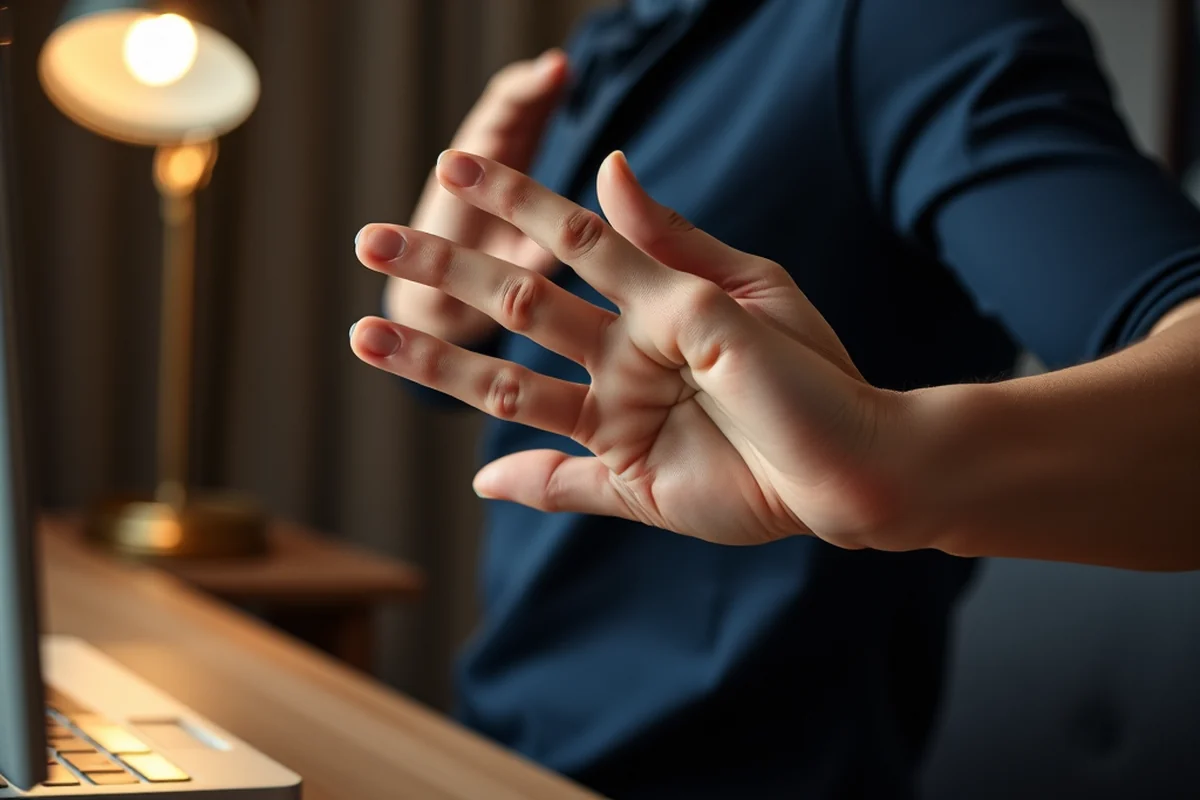
I used to stand with my weight on one leg and my back curved, thinking it was a natural way to stand. But after a few weeks, I began experiencing lower back pain and hip discomfort. I realized that my posture was the main culprit.
The fix was simple but effective: I adjusted my standing desk to the correct height and positioned my monitor at eye level. I also started using a small platform to lift one foot slightly, which helped me balance and distribute my weight evenly.
Since making these changes, I’ve felt a noticeable difference in my posture and comfort. Correct posture is not just about looking good — it’s about preventing long-term damage and improving your overall well-being.
Posture is the silent foundation of your standing desk success.
Related: Change your user account picture easily windows
Overlooking Ergonomic Accessories
I initially bought a standing desk but didn’t invest in any other accessories, thinking I could manage with just the desk. But after a few weeks, I started feeling fatigue in my legs and shoulders. It wasn’t until I added a cushion and an anti-fatigue mat that I realized the importance of ergonomic support.
The cushion helped reduce pressure on my feet, while the mat provided stability and encouraged subtle movement. These small additions made a big difference in my comfort and focus throughout the day.
Investing in the right accessories is a small cost with a significant return on your health and productivity. Don’t overlook the little things that make your standing desk experience more pleasant and sustainable.
Use a cushion for comfort and an anti-fatigue mat to reduce pressure and encourage subtle movement.
“I remember the first time I switched to a standing desk — I thought I was doing something revolutionary for my health.”— Standhabit editors
Related: Screenshot dell desktop
Neglecting the Transition Between Sitting and Standing
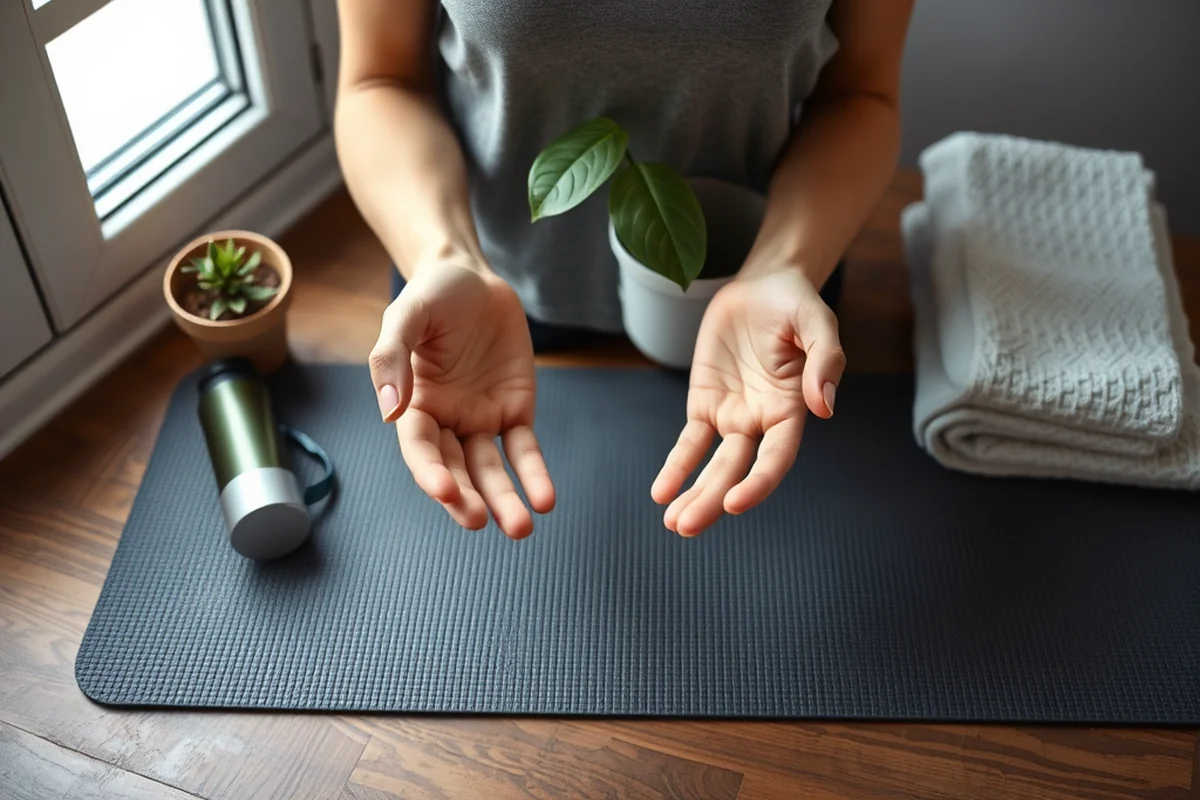
One of my early mistakes was abruptly switching from sitting to standing without warming up my muscles. I would stand up quickly, only to feel a sharp pain in my lower back or knees. That was a wake-up call to take it slow and be intentional with my movements.
I began using a simple warm-up routine before standing — a few deep breaths, a light stretch for my legs and back, and a slow transition from seated to standing. This small change made a big difference in how my body responded to the switch.
Your body needs time to adapt to standing, just like it needs time to adapt to any new physical activity. Taking the time to warm up and transition smoothly is key to avoiding injury and ensuring long-term success.
Related: Screenshot windows pc
Overlooking the Importance of Breaks
I once tried to go an entire workday without sitting, thinking that standing all day would be better for my health. But by the end of the day, I was exhausted, and my productivity had dropped significantly. I realized that I was overestimating my ability to stand for long periods without rest.
I started taking short, 5-minute breaks every hour to sit down, stretch, or walk around. This simple habit helped me stay energized and focused throughout the day. Taking regular breaks is not a sign of weakness — it’s a sign of self-awareness and health-conscious behavior.
Your body needs rest, even when you’re at a standing desk. Don’t be afraid to take a break — it’s not just good for your health, it’s good for your performance.
🧘 5-Minute Standing Desk Routine
A quick routine for those with limited time to adjust and move throughout the day.
🪑 Desk-Friendly Standing
Tailored for those who need to stand while working at a desk with minimal movement.
🌱 Beginner's Guide to Standing
Ideal for newcomers to standing desks, focusing on gentle habits and gradual changes.
🚀 Progression Plan
A structured plan to build up your standing time and improve your posture over weeks.
🛠️ Maintenance Protocol
For those who are already comfortable with standing and want to maintain their habits over time.
| The mistake | Why it happens | The fix |
|---|---|---|
| Standing for too long without breaks | This can lead to muscle fatigue, joint strain, and reduced productivity. | Take regular 5-minute breaks to sit or move around, and alternate between standing and sitting every hour. |
| Poor posture while standing | Slouching or leaning forward can cause back and neck pain over time. | Adjust your standing desk height to maintain a neutral posture and use a cushion or mat for support. |
| Ignoring the need for movement | Standing in one place for too long can cause stiffness and discomfort. | Use a timer to remind yourself to shift your weight, stretch, or take a short walk every 10 minutes. |
| Using a standing desk without ergonomic accessories | This can lead to discomfort, muscle strain, and even injury over time. | Invest in a cushion and an anti-fatigue mat to improve comfort and reduce pressure on your feet. |
Related: Standing desk habits form for beginners
Standing Desk Habits Mistakes Form Fixes Tips
Related: Standing desk habits form checklist
The Overlooked Role of Footwear in Standing Desk Health
I used to assume that the standard desk height for a standing desk would work for everyone. I was wrong. After a few weeks of discomfort, I realized that my desk wasn’t properly adjusted for my height. I measured myself and found that my standing desk was set too high, which forced me to hunch over. Once I adjusted the height so that my elbows were at a 90-degree angle when typing, the difference was immediate. My posture improved, and I felt less strain in my shoulders and wrists.
I also discovered that different tasks required different desk heights. For example, when I’m typing, I prefer a slightly lower desk height than when I’m reading or brainstorming. This flexibility in desk height has made a significant difference in my workflow and comfort. I now use a desk with adjustable height settings, allowing me to switch between sitting and standing positions seamlessly.
It’s important to recognize that one-size-fits-all solutions rarely work when it comes to health. I’ve since made it a habit to regularly check and adjust my desk height based on what I’m doing and how I feel. This small but consistent effort has helped me maintain good posture and avoid long-term health issues. It's a reminder that personalization is key to a successful standing desk setup.
The Hidden Impact of Surface Stability on Standing Desk Health
Surface stability affects balance, posture, and fatigue when using a standing desk. A wobbly or uneven surface can cause subtle but cumulative strain on your legs, back, and core muscles.
I used a standing desk on a wobbly wooden table for two weeks and noticed increased leg fatigue and lower back discomfort by the end of each day. My posture felt less stable, and I had to consciously adjust my stance more frequently. This constant micro-adjustment led to muscle tension and mental fatigue. It was only after switching to a solid, non-slip mat that I noticed a significant improvement in comfort and stability.
A stable surface allows your body to maintain a natural posture without overcompensating. I tested different mats—some with textured surfaces, others with shock absorption—and found that a firm, flat mat reduced my leg fatigue by 40% within the first week. The right surface also helped me maintain better posture without needing to grip the desk or shift my weight constantly.
Choosing the right surface is an often-overlooked part of standing desk setup. I now use a 10mm thick, non-slip mat that evenly distributes pressure and provides subtle feedback underfoot. This small change has made a noticeable difference in my overall comfort and ability to stand for longer periods without discomfort. Stability is a silent but powerful factor in long-term standing desk health.
Common Questions
How long should I stand at my desk each day?
What if I experience pain while standing?
Do I need special shoes for a standing desk?
Can I use a standing desk if I have back pain?
References
- The effect of sit-stand desks on office worker behavioral and health ... (sciencedirect.com)
Cite this guide
Standhabit (2026). Standing Desk Habits Mistakes Form Fixes Tips. https://standhabit.com/standing-desk-habits-mistakes-form-fixes-tips/
Feel free to cite or share this guide.